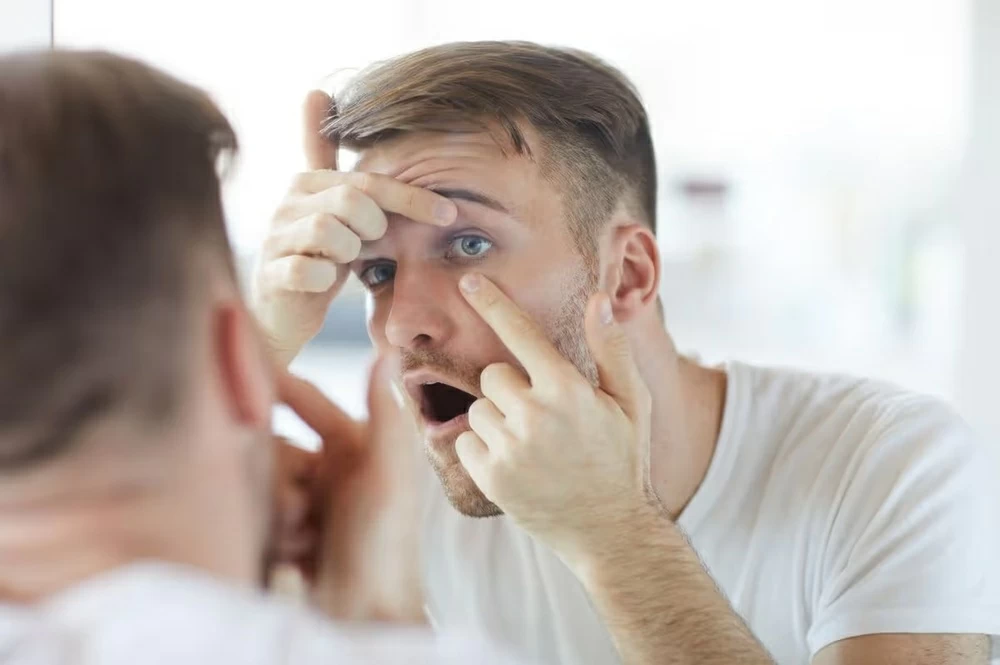
أكدت اختصاصية البصريات البريطانية حميرا بام أن احمرار العين يُعد من المشكلات الشائعة التي تحدث نتيجة توسع الأوعية الدموية الدقيقة على سطح العين، موضحة أن معظم الحالات تكون بسيطة وتتحسن تلقائياً أو بالعناية المنزلية، إلا أن بعضها قد يستدعي مراجعة الطبيب بشكل عاجل.
وخلال ظهورها في برنامج Morning Live على هيئة الإذاعة البريطانية (BBC)، أوضحت بام أن احمرار العين قد ينتج عن أي عامل يسبب تهيج العين، وتراوح شدته بين بقع حمراء محدودة واحمرار يغطي كامل العين.
أسباب متعددة
وأشارت إلى أن من أبرز أسباب احمرار العين التهاب الملتحمة، التهاب حواف الجفون (Blepharitis)، نمو الرموش باتجاه العين، جفاف العين الناتج عن تغيرات البيئة، التعرض لحبوب اللقاح أو الغبار والحساسية الناتجة عن تغيير منظفات الملابس أو بعض المواد الكيميائية.
وأضافت أن تحديد السبب الأساسي يعد الخطوة الأهم لاختيار العلاج المناسب.
الشاشات من أكثر الأسباب شيوعاً
وأوضحت اختصاصية البصريات أن الاستخدام المطول للهواتف الذكية وأجهزة الكمبيوتر وألعاب الفيديو يُعد من أكثر مسببات احمرار العين في الوقت الحالي، إذ يؤدي التركيز المستمر في الشاشات إلى انخفاض معدل الرمش، ما يسبب جفاف العين وتهيجها واحمرارها.
كيف يمكن تخفيف الاحمرار؟
تنصح بام باستخدام القطرات المرطبة للعين، لأنها تعوض الطبقة الدمعية الطبيعية وتساعد في ترطيب العين وتقليل التهيج.
كما أوضحت أن الأشخاص الذين لا يفضلون استخدام القطرات يمكنهم اللجوء إلى غسل العين بمحلول مخصص باستخدام كأس خاص لغسل العين، وهي أدوات متوفرة في الصيدليات.
وأضافت أن بعض الأشخاص قد يستخدمون كأساً صغيراً نظيفاً كبديل منزلي، نظراً لتقارب حجمه مع كأس غسل العين، إلا أنها حذرت من أن هذه الطريقة قد تحمل بعض المخاطر إذا كان الكأس يحتوي على شقوق أو حواف حادة قد تخدش سطح العين، كما أن شكله لا يتوافق مع تجويف العين، ما يزيد من احتمالية تسرب المحلول.
متى تجب مراجعة الطبيب؟
رغم أن معظم حالات احمرار العين لا تكون خطيرة، فإنها تستوجب مراجعة الطبيب أو اختصاصي العيون في الحالات التالية:
وجود ألم شديد في العين.
الشعور بألم عند التعرض للضوء.
الإصابة بصداع شديد مصحوب بالغثيان.
اختلاف حجم إحدى حدقتي العين عن الأخرى.
ملامسة العين لمواد كيميائية أو سوائل خطرة.
تحول العين إلى اللون الأحمر الداكن بشكل واضح.
التعرض لإصابة في العين أو دخول جسم غريب مثل الزجاج أو الرمل.
ارتداء العدسات اللاصقة مع ظهور احمرار شديد، لاحتمال وجود التهاب.
حدوث تغير في الرؤية، مثل تشوش النظر أو رؤية ومضات ضوئية أو فقدان جزء من مجال الإبصار.
ويؤكد الأطباء أن استمرار احمرار العين أو تكراره بشكل متواصل، خصوصاً إذا صاحبه ألم أو ضعف في الرؤية، يستدعي الحصول على تقييم طبي سريع لتحديد السبب والعلاج المناسب.
The British optics specialist Humaira Bam confirmed that eye redness is one of the common problems that occur due to the dilation of tiny blood vessels on the surface of the eye, explaining that most cases are simple and improve either spontaneously or with home care, although some may require urgent medical attention.
During her appearance on the Morning Live program on the BBC, Bam explained that eye redness can result from any factor that causes irritation to the eye, ranging in severity from limited red spots to redness covering the entire eye.
Multiple Causes
She pointed out that some of the most prominent causes of eye redness include conjunctivitis, inflammation of the eyelid edges (Blepharitis), eyelashes growing towards the eye, dry eyes resulting from environmental changes, exposure to pollen or dust, and allergies caused by changing laundry detergents or certain chemicals.
She added that identifying the underlying cause is the most important step in choosing the appropriate treatment.
Screens as a Common Cause
The optics specialist explained that prolonged use of smartphones, computers, and video games is currently one of the most common causes of eye redness, as continuous focus on screens leads to a decreased blink rate, causing dryness, irritation, and redness of the eyes.
How Can Redness Be Alleviated?
Bam recommends using moisturizing eye drops, as they compensate for the natural tear layer and help to hydrate the eye and reduce irritation.
She also explained that individuals who prefer not to use drops can resort to rinsing the eye with a designated solution using a special eye wash cup, which are tools available at pharmacies.
She added that some people may use a small clean cup as a home alternative, due to its size being similar to an eye wash cup, but she warned that this method may carry some risks if the cup has cracks or sharp edges that could scratch the surface of the eye, and its shape does not conform to the eye cavity, increasing the likelihood of solution leakage.
When Should You See a Doctor?
Although most cases of eye redness are not serious, they require a visit to a doctor or eye specialist in the following cases:
Severe pain in the eye.
Feeling pain when exposed to light.
Suffering from a severe headache accompanied by nausea.
Difference in size between one pupil and the other.
Contact with chemicals or hazardous liquids.
Clear dark red discoloration of the eye.
Exposure to an eye injury or the entry of a foreign body such as glass or sand.
Wearing contact lenses with the appearance of severe redness, indicating a possible infection.
Changes in vision, such as blurred vision, seeing flashes of light, or loss of part of the visual field.
Doctors confirm that persistent or recurrent eye redness, especially if accompanied by pain or vision impairment, necessitates prompt medical evaluation to determine the cause and appropriate treatment.