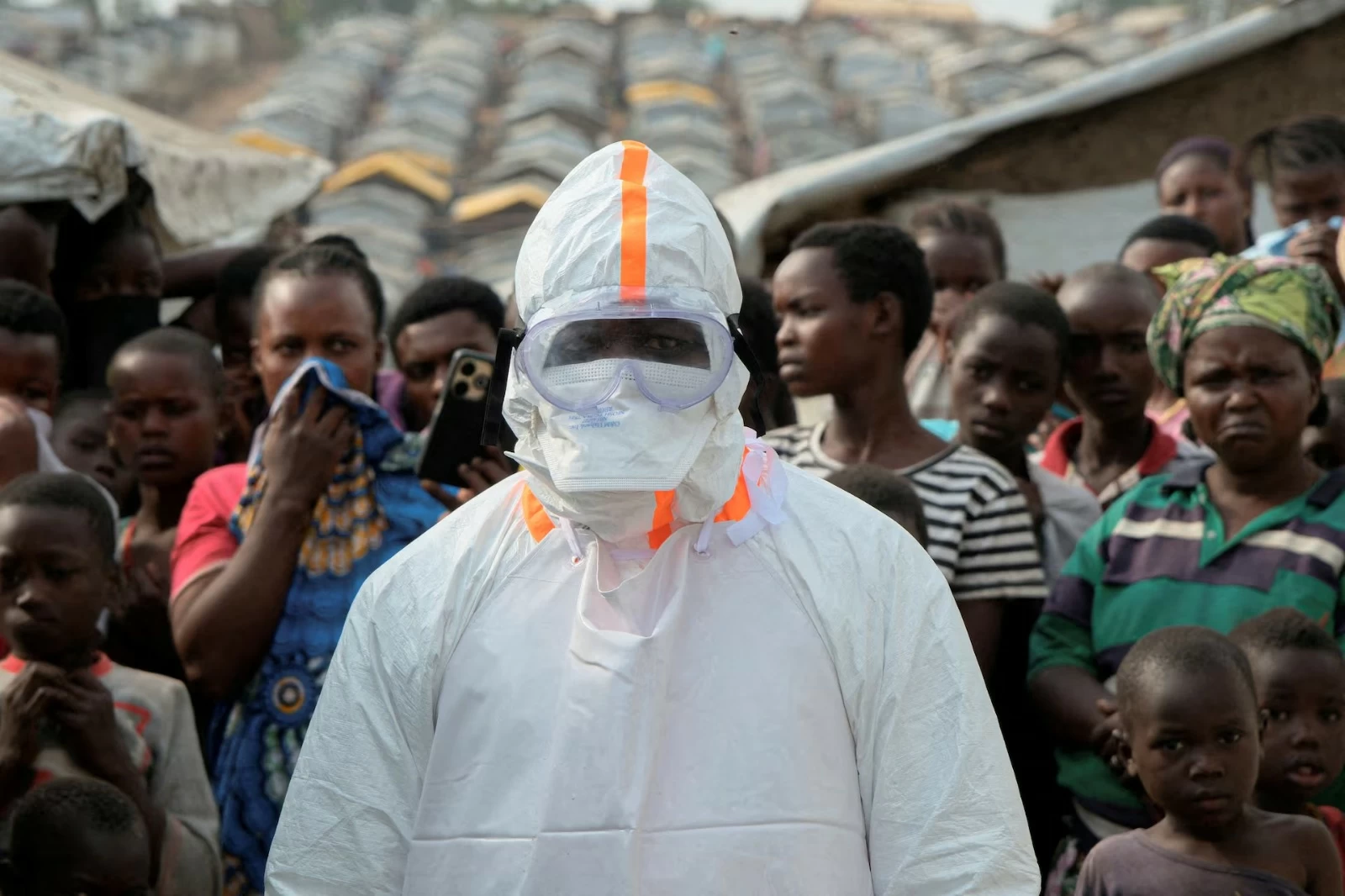
فرضت السلطات في جمهورية الكونغو الديمقراطية حظراً على التجمعات العامة في العاصمة كينشاسا وثلاث مقاطعات أخرى، في إطار إجراءات احترازية تهدف إلى الحد من خطر انتشار فايروس إيبولا، في وقت اتهمت فيه أحزاب معارضة الحكومة باستغلال الأزمة الصحية لمنع احتجاجات مقررة الأسبوع القادم.
وأعلن وزير الداخلية جاكمان شاباني دخول القرار حيز التنفيذ في كينشاسا، التي يقطنها نحو 18 مليون نسمة، إضافة إلى مقاطعات تشوبو، وأو-أويلي، وبا-أويلي، المجاورة للمناطق التي سُجلت فيها إصابات مؤكدة بالفايروس في شرق البلاد.
ورغم عدم تسجيل أي إصابات في العاصمة حتى الآن، تخشى السلطات انتقال العدوى إليها، خصوصاً بعد تأكيد إصابة طبيب كونغولي بفايروس إيبولا في فرنسا، عقب عودته من أحد مراكز علاج المرض في بؤرة التفشي، مروراً بكينشاسا.
وكانت الحكومة قد فرضت، في اليوم التالي للإعلان عن إصابة الطبيب، حجراً صحياً لمدة 21 يوماً على المسافرين القادمين من المناطق الموبوءة إلى بقية أنحاء البلاد.
في المقابل، انتقدت قوى المعارضة القرار، معتبرة أنه يهدف إلى تعطيل مسيرة احتجاجية مقررة في الثامن من يوليو، دعت إليها قوى معارضة اعتراضاً على مشروع قانون يقول منتقدوه إنه قد يتيح للرئيس فيليكس تشيسيكيدي البقاء في السلطة بعد انتهاء الحد الأقصى لفترتي ولايته.
وقال المتحدث باسم ائتلاف «لاموكا» المعارض برنس إيبينغي إن القرار «ذو دوافع سياسية»، مشيراً إلى عدم تسجيل أي إصابات في كينشاسا، ومؤكداً أن حزبه «لا يمكنه قبول هذا القرار».
من جانبه، دعا الأمين العام لحزب «إنفول» رودريغ رامازاني المحتجين إلى تجاهل الحظر والمشاركة في المظاهرة، معتبراً أن القرار «يحمل بصمات مناورة سياسية أكثر منه إجراءً للصحة العامة».
ولم تصدر الحكومة تعليقاً على اتهامات المعارضة.
ووفقاً لوزارة الصحة، يقتصر تفشي إيبولا حالياً على مقاطعات إيتوري، وشمال كيفو، وجنوب كيفو، إذ تُطبق قيود على التجمعات العامة منذ أسابيع، فيما تُعد إيتوري الأكثر تضرراً، إذ تستحوذ على أكثر من 90% من الإصابات.
وأظهرت أحدث البيانات الرسمية ارتفاع عدد الإصابات المؤكدة إلى 1274 حالة، بزيادة 47 إصابة في يوم واحد، فيما بلغ عدد الوفيات 360 حالة.
وامتد التفشي أيضاً إلى أوغندا المجاورة، إذ أعلنت السلطات الصحية تسجيل 20 إصابة مؤكدة وحالتي وفاة، بحسب منظمة الصحة العالمية.
وينتقل فايروس إيبولا عبر ملامسة سوائل جسم المصابين، مثل الدم أو القيء، ويعود التفشي الحالي إلى سلالة «بونديبوغيو»، التي لا يتوافر لها حتى الآن لقاح معتمد، غير أن رئيس المراكز الأفريقية لمكافحة الأمراض والوقاية منها أعلن أن تجارب على أدوية مضادة للفايروس قد تبدأ خلال الأيام القادمة.
وحذرت كل من منظمة الصحة العالمية والمراكز الأفريقية لمكافحة الأمراض من أن التفشي الحالي قد يصبح من أكبر موجات إيبولا المسجلة، نظراً إلى انتشار الفايروس لأسابيع قبل تأكيد تشخيصه، فيما تزيد الأوضاع الأمنية في شرق الكونغو، حيث تسيطر حركة «إم23» المسلحة على مناطق واسعة، من صعوبة احتواء الوباء.
The authorities in the Democratic Republic of the Congo have imposed a ban on public gatherings in the capital Kinshasa and three other provinces as part of precautionary measures aimed at reducing the risk of the spread of the Ebola virus, at a time when opposition parties accused the government of exploiting the health crisis to prevent planned protests next week.
Interior Minister Jackman Shabani announced that the decision has come into effect in Kinshasa, which is home to about 18 million people, in addition to the provinces of Tshuapa, Haut-Uele, and Bas-Uele, adjacent to areas where confirmed cases of the virus have been recorded in the eastern part of the country.
Although no cases have been reported in the capital so far, authorities fear the transmission of the infection there, especially after confirming that a Congolese doctor tested positive for the Ebola virus in France after returning from one of the treatment centers in the outbreak zone, passing through Kinshasa.
The government had imposed a 21-day quarantine on travelers coming from the affected areas to the rest of the country the day after announcing the doctor’s infection.
In contrast, opposition forces criticized the decision, considering it aimed at disrupting a planned protest on July 8, called by opposition forces in objection to a bill that critics say could allow President Félix Tshisekedi to remain in power after the maximum term limits of his presidency expire.
Prince Ibengé, the spokesperson for the opposition coalition "Lamuka," stated that the decision is "politically motivated," pointing out that no cases have been recorded in Kinshasa, and affirming that his party "cannot accept this decision."
For his part, the Secretary-General of the "Envol" party, Rodrigue Ramazani, urged protesters to ignore the ban and participate in the demonstration, considering that the decision "bears the fingerprints of a political maneuver rather than a public health measure."
The government has not issued a comment on the opposition's accusations.
According to the Ministry of Health, the Ebola outbreak is currently limited to the provinces of Ituri, North Kivu, and South Kivu, where restrictions on public gatherings have been in place for weeks, with Ituri being the most affected, accounting for over 90% of the infections.
The latest official data showed an increase in confirmed cases to 1,274, with an increase of 47 cases in one day, while the number of deaths reached 360.
The outbreak has also spread to neighboring Uganda, where health authorities reported 20 confirmed cases and two deaths, according to the World Health Organization.
The Ebola virus is transmitted through contact with the bodily fluids of infected individuals, such as blood or vomit, and the current outbreak is attributed to the "Bundibugyo" strain, for which there is currently no approved vaccine. However, the head of the African Centers for Disease Control and Prevention announced that trials on antiviral drugs may begin in the coming days.
Both the World Health Organization and the African Centers for Disease Control and Prevention warned that the current outbreak could become one of the largest recorded waves of Ebola, given that the virus spread for weeks before being confirmed, while the security situation in eastern Congo, where the "M23" armed group controls vast areas, complicates efforts to contain the epidemic.