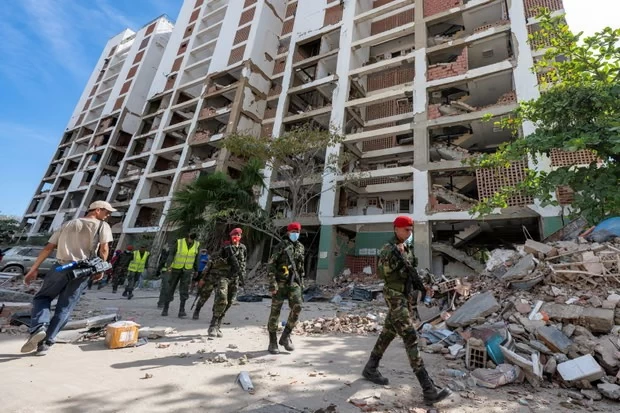
شهدت فنزويلا بارقة أمل وسط واحدة من أسوأ الكوارث الطبيعية في تاريخها الحديث، بعدما تمكنت فرق إنقاذ فرنسية وأمريكية من انتشال رجل وابنه المراهق أحياء من تحت أنقاض أحد المباني في بلدة كاراباليدا، الواقعة على بعد نحو 40 كيلومتراً شمال العاصمة كاراكاس، وذلك بعد نحو أربعة أيام من الزلزالين المدمرين اللذين ضربا البلاد.
ويأتي هذا التطور في وقت ارتفعت فيه حصيلة ضحايا الكارثة إلى أكثر من 1,450 قتيلاً، مع استمرار عمليات البحث عن آلاف المفقودين، رغم تجاوز الفترة الحرجة التي تمتد لـ72 ساعة، والتي تعد الأكثر أهمية لإنقاذ العالقين تحت الأنقاض.
وضرب فنزويلا مساء الأربعاء الماضي زلزالان متتاليان بلغت قوتهما 7.2 و7.5 درجة على مقياس ريختر، ما أدى إلى انهيار كامل لما يقرب من 200 مبنى، وإلحاق أضرار جسيمة بنحو 774 مبنى آخر، وفقاً للسلطات.
وأكدت الرئيسة المؤقتة ديلسي رودريغيز، أن العثور على ناجين بعد مرور أيام عدة يمنح فرق الإنقاذ دافعاً للاستمرار، قائلة: «اليوم نجحنا في إنقاذ أشخاص ما زالوا على قيد الحياة، ولذلك لن تتوقف هذه الجهود، فالأمل لا يزال قائماً».
ورغم هذه اللحظة الإنسانية المؤثرة، لا تزال المأساة تتفاقم، إذ تشير التقديرات إلى فقدان عشرات الآلاف من الأشخاص، بينما يواجه ملايين السكان نقصاً حاداً في المياه الصالحة للشرب وخدمات الصرف الصحي والرعاية الصحية والمساعدات الأساسية.
وتواصل فرق الإنقاذ المحلية والدولية، بدعم من الولايات المتحدة والمكسيك وعدد من الدول الأخرى، عمليات البحث بين الأنقاض، في وقت اضطر فيه العديد من السكان إلى استخدام أيديهم وأدوات بدائية لمحاولة الوصول إلى أقاربهم المحاصرين تحت المباني المنهارة.
وأعلن رئيس الجمعية الوطنية خورخي رودريغيز أن عدد المصابين ارتفع إلى 3,150 شخصاً، محذراً من أن حصيلة الوفيات مرشحة للزيادة مع استمرار انتشال الضحايا.
وفي موازاة جهود الإنقاذ، شهدت مدينة لا غوايرا الساحلية، القريبة من المطار الدولي الرئيسي، أعمال نهب استهدفت صيدليات ومتاجر كبرى، وسط شكاوى من السكان بشأن بطء وصول المساعدات الحكومية وعدم كفايتها.
وعززت الولايات المتحدة مشاركتها في جهود الإغاثة بإرسال مروحيات لنقل المساعدات، إلى جانب وصول 230 عسكرياً إضافياً للمساهمة في توسيع القدرة التشغيلية للمطار وإعادة فتح أحد الموانئ الرئيسية لتسهيل تدفق الإمدادات الإنسانية، بعدما كانت قد أرسلت بالفعل فريقاً متخصصاً للاستجابة للكوارث يضم 250 عنصراً.
ورغم استمرار عمليات البحث، يرى العديد من رجال الإنقاذ أن فرص العثور على مزيد من الناجين تتضاءل مع مرور الوقت، فيما قال أحد أفراد فريق الإنقاذ القادم من السلفادور: «في هذه المرحلة نتوقع العثور على جثامين أكثر من ناجين، لكننا لا نفقد الأمل في أن نعثر على أشخاص أحياء».
كما تصاعد الغضب الشعبي في بعض المناطق المتضررة، إذ اتهم سكان السلطات بالتقصير في عمليات الإنقاذ، مطالبين الجنود بالمشاركة في إزالة الأنقاض بدلاً من الاكتفاء بتأمين المناطق.
وأشادت الحكومة الفنزويلية بالدعم الدولي، مؤكدة أن 24 دولة أرسلت حتى الآن 521 طناً من المساعدات الإنسانية، إضافة إلى 86 فريقاً من الكلاب المدربة على البحث والإنقاذ وأكثر من 2,700 عنصر متخصص في عمليات الإنقاذ.
من جهتها، حذرت المنظمة الدولية للهجرة التابعة للأمم المتحدة من أن نحو 6.76 مليون شخص قد يتأثرون بتداعيات الكارثة، ويحتاجون إلى مأوى ومياه وخدمات صحية وإغاثية عاجلة.
وتعد هذه الزلازل الأعنف التي تشهدها فنزويلا منذ أكثر من قرن، في وقت تعاني فيه البلاد أصلاً من أزمة اقتصادية ممتدة أضعفت القطاع الصحي والخدمات العامة، وأدت إلى هجرة ملايين المواطنين خلال السنوات الماضية.
وقدرت الأمم المتحدة تكلفة إعادة إعمار البنية التحتية المتضررة بنحو 6.7 مليار دولار، أي ما يعادل نحو 6% من الناتج المحلي الإجمالي لفنزويلا.
وفي تطور سياسي لافت، أعلنت زعيمة المعارضة الفنزويلية ماريا كورينا ماتشادو، المقيمة في المنفى، عزمها العودة إلى البلاد في أقرب وقت، مؤكدة أن المرحلة الحالية تتطلب الوقوف إلى جانب الشعب الفنزويلي لمواجهة آثار الكارثة.
Venezuela has witnessed a glimmer of hope amid one of the worst natural disasters in its modern history, as French and American rescue teams managed to pull a man and his teenage son alive from the rubble of a building in the town of Carabobo, located about 40 kilometers north of the capital Caracas, after nearly four days following the devastating earthquakes that struck the country.
This development comes at a time when the death toll from the disaster has risen to over 1,450, with search operations for thousands of missing persons continuing, despite surpassing the critical 72-hour window that is deemed most important for rescuing those trapped under the rubble.
Venezuela was hit by two consecutive earthquakes last Wednesday evening, measuring 7.2 and 7.5 on the Richter scale, leading to the complete collapse of nearly 200 buildings and causing severe damage to about 774 other structures, according to authorities.
Interim President Delcy Rodríguez confirmed that finding survivors after several days provides rescue teams with motivation to continue, stating: "Today we succeeded in rescuing people who are still alive, and therefore these efforts will not stop; hope remains."
Despite this touching humanitarian moment, the tragedy continues to escalate, with estimates indicating the loss of tens of thousands of people, while millions of residents face severe shortages of drinking water, sanitation services, healthcare, and essential aid.
Local and international rescue teams, supported by the United States, Mexico, and several other countries, continue their search operations among the rubble, while many residents have been forced to use their hands and primitive tools to try to reach their relatives trapped under the collapsed buildings.
National Assembly President Jorge Rodríguez announced that the number of injured has risen to 3,150, warning that the death toll is likely to increase as the recovery of victims continues.
Alongside the rescue efforts, the coastal city of La Guaira, near the main international airport, has witnessed looting targeting pharmacies and major stores, amid complaints from residents about the slow arrival of government aid and its inadequacy.
The United States has increased its involvement in relief efforts by sending helicopters to transport aid, along with the arrival of 230 additional military personnel to help expand the operational capacity of the airport and reopen one of the main ports to facilitate the flow of humanitarian supplies, after already sending a specialized disaster response team of 250 members.
Despite ongoing search operations, many rescuers believe that the chances of finding more survivors are diminishing as time passes, with one member of the rescue team from El Salvador stating: "At this stage, we expect to find more bodies than survivors, but we do not lose hope of finding living people."
Public anger has also escalated in some affected areas, as residents accused authorities of negligence in rescue operations, demanding that soldiers participate in debris removal instead of merely securing the areas.
The Venezuelan government praised the international support, confirming that 24 countries have sent a total of 521 tons of humanitarian aid so far, in addition to 86 teams of trained search and rescue dogs and more than 2,700 specialized rescue personnel.
For its part, the International Organization for Migration (IOM) warned that around 6.76 million people could be affected by the disaster's aftermath and need urgent shelter, water, and health and relief services.
These earthquakes are the most severe that Venezuela has experienced in over a century, at a time when the country is already suffering from a prolonged economic crisis that has weakened the healthcare sector and public services, leading to the migration of millions of citizens in recent years.
The United Nations estimated the cost of rebuilding the damaged infrastructure at around $6.7 billion, equivalent to about 6% of Venezuela's GDP.
In a notable political development, exiled Venezuelan opposition leader María Corina Machado announced her intention to return to the country as soon as possible, emphasizing that the current phase requires standing by the Venezuelan people to confront the effects of the disaster.