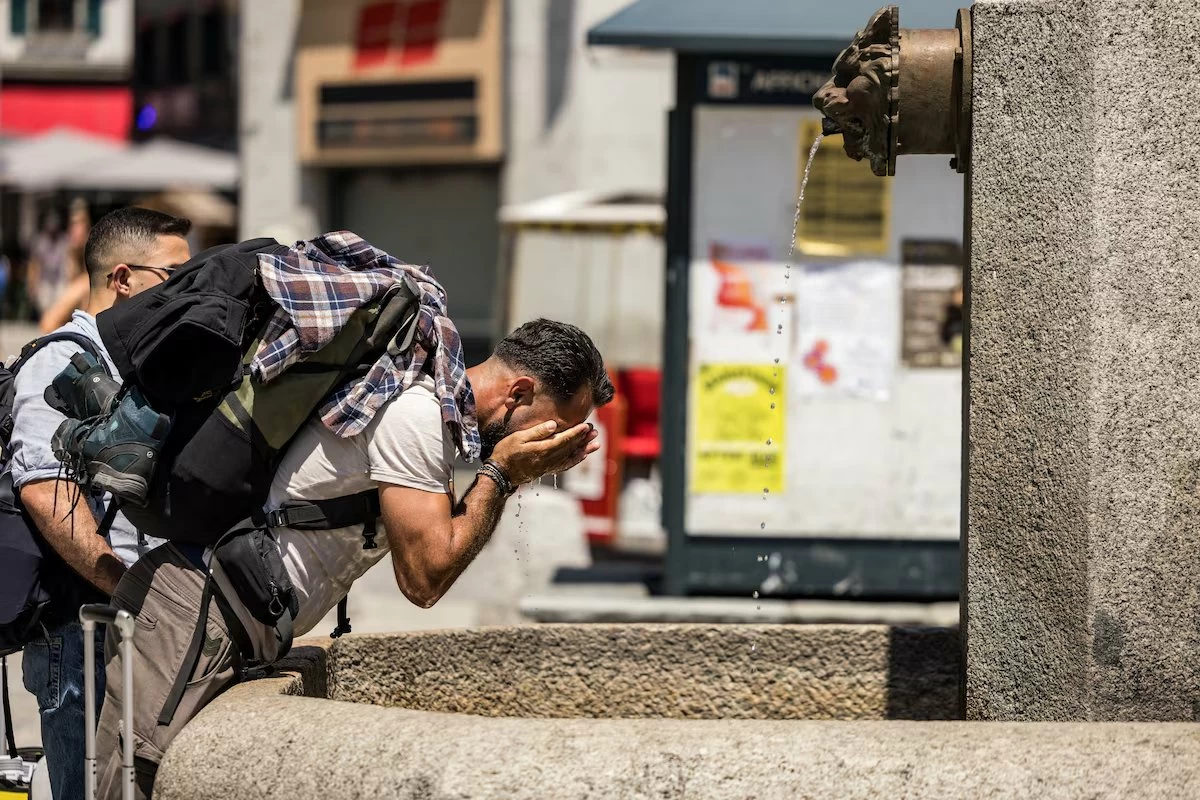
سجلت العاصمة الفرنسية باريس ارتفاعًا غير مسبوق في عدد الوفيات، تزامنًا مع موجة الحر الشديدة التي تضرب البلاد، حيث أعلنت خدمات الطوارئ الطبية تسجيل 55 حالة وفاة خلال 24 ساعة، في حصيلة تفوق المعدل اليومي المعتاد بأكثر من خمسة أضعاف.
وذكرت قناة BFMTV الفرنسية أن الخميس كان من بين أكثر الأيام حرارة في تاريخ البلاد، موضحة أن المعدل الطبيعي للوفيات اليومية في باريس يبلغ نحو 10 حالات فقط، فيما ارتفع العدد إلى 55 وفاة خلال يوم واحد.
وبحسب البيانات، توفي 25 شخصًا إثر نوبات قلبية، بينما سجلت 30 حالة وفاة لأسباب مختلفة، في وقت أكدت فيه القناة أن السلطات لا تربط جميع الوفيات بشكل مباشر بارتفاع درجات الحرارة، لكنها أشارت إلى أن الزيادة الكبيرة تعكس التأثير الواضح للظروف المناخية القاسية على الصحة العامة.
وتستند هذه الأرقام إلى بيانات خدمة الإسعاف والطوارئ الفرنسية SAMU فقط، ولا تشمل الحالات التي تعاملت معها فرق الإنقاذ أو الأطباء في القطاع الخاص أو منظمة SOS Médecins، ما يعني أن الحصيلة الإجمالية قد تكون أعلى.
وفي تطور لافت، أعلن نائب رئيس نقابة عمال الإسعاف، تسجيل أول حالة وفاة لمريض داخل أحد المستشفيات نتيجة ارتفاع درجة حرارة غرفته، محذرًا من أن نقص أنظمة التكييف في عدد من المرافق الصحية يمثل تحديًا خطيرًا في مواجهة موجات الحر المتكررة.
من جهته، أكد رئيس شرطة باريس أن المستشفيات وخدمات الإسعاف تواجه ضغوطًا غير مسبوقة، مع تضاعف عدد مكالمات الاستغاثة، مشيرًا إلى أن فرق الطوارئ نفذت أكثر من 2500 تدخل ميداني خلال يوم واحد، في ظل تزايد حالات الإجهاد الحراري والإغماء والمضاعفات الصحية المرتبطة بارتفاع درجات الحرارة.
موجة حر تضرب أوروبا
وتشهد فرنسا وعدد من الدول الأوروبية خلال الأيام الأخيرة موجة حر استثنائية دفعت السلطات إلى إصدار تحذيرات صحية، واتخاذ إجراءات لحماية كبار السن والأطفال والمرضى، باعتبارهم الأكثر عرضة لمضاعفات الحرارة المرتفعة.
وتحذر الهيئات الصحية من أن التعرض لفترات طويلة لدرجات الحرارة المرتفعة قد يؤدي إلى الإصابة بضربات الشمس والجفاف الحاد وأزمات القلب والجهاز التنفسي، خصوصًا في المدن الكبرى التي ترتفع فيها درجات الحرارة بسبب الكثافة العمرانية، وفي ظل محدودية أنظمة التبريد في بعض المباني والمستشفيات.
ويأتي ذلك في وقت تشير فيه دراسات علمية إلى أن أوروبا أصبحت من أسرع مناطق العالم تأثرًا بتداعيات تغير المناخ، مع تزايد وتيرة موجات الحر وشدتها خلال السنوات الأخيرة، وما يصاحبها من ارتفاع في معدلات الوفيات والضغط على المنظومات الصحية.
The French capital, Paris, has recorded an unprecedented rise in the number of deaths, coinciding with the severe heatwave hitting the country, as emergency medical services announced 55 deaths within 24 hours, a toll that exceeds the usual daily average by more than five times.
French channel BFMTV reported that Thursday was among the hottest days in the country's history, noting that the normal daily death rate in Paris is around 10 cases only, while the number rose to 55 deaths in a single day.
According to the data, 25 people died from heart attacks, while 30 deaths were recorded for various reasons, at a time when the channel confirmed that authorities do not directly link all deaths to the rise in temperatures, but indicated that the significant increase reflects the clear impact of extreme weather conditions on public health.
These figures are based solely on data from the French emergency medical service SAMU and do not include cases handled by rescue teams or doctors in the private sector or the SOS Médecins organization, meaning the total toll could be higher.
In a notable development, the vice president of the ambulance workers' union announced the first recorded death of a patient inside one of the hospitals due to the high temperature of their room, warning that the lack of air conditioning systems in several healthcare facilities poses a serious challenge in facing recurring heatwaves.
For his part, the head of the Paris police confirmed that hospitals and ambulance services are facing unprecedented pressure, with the number of emergency calls doubling, noting that emergency teams carried out more than 2,500 field interventions in a single day, amid increasing cases of heat stress, fainting, and health complications related to rising temperatures.
Heatwave Hits Europe
France and several European countries have recently been experiencing an exceptional heatwave that has prompted authorities to issue health warnings and take measures to protect the elderly, children, and patients, as they are the most vulnerable to the complications of high temperatures.
Health authorities warn that prolonged exposure to high temperatures can lead to heat strokes, severe dehydration, and heart and respiratory crises, especially in major cities where temperatures rise due to urban density, and amid limited cooling systems in some buildings and hospitals.
This comes at a time when scientific studies indicate that Europe has become one of the fastest regions in the world to be affected by the consequences of climate change, with an increasing frequency and intensity of heatwaves in recent years, accompanied by rising mortality rates and pressure on health systems.