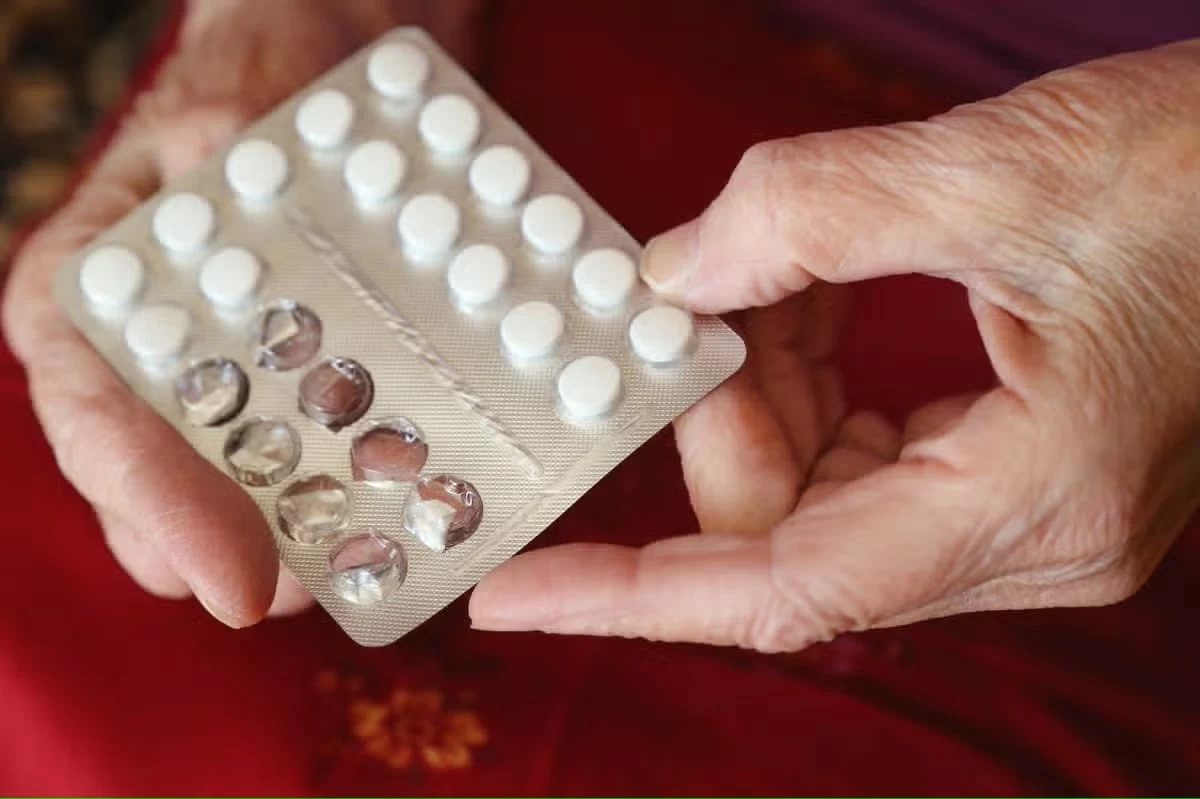
أعلنت شركة نوفارتس سحب دفعة من دواء «ديفان» (Diovan) المستخدم لعلاج ارتفاع ضغط الدم وبعض أمراض القلب، بعد اكتشاف أن الدواء لا يستوفي المواصفات المطلوبة المتعلقة بمعدل ذوبانه، وهو ما قد يؤثر في فعاليته ويعرض المرضى لاحتمال حدوث تداعيات صحية ضارة.
ويأتي الاستدعاء في وقت تواجه فيه بريطانيا، في المقابل، نقصًا حادًا في أحد الأدوية المستخدمة لعلاج ارتفاع ضغط الدم، ما يسلط الضوء على تحديات متزايدة تتعلق بتوافر بعض أدوية القلب والضغط في الأسواق.
ما سبب سحب «ديفان»؟
يرتبط الاستدعاء بدواء فالسارتان (Valsartan)، الذي تنتجه نوفارتس تحت الاسم التجاري «ديفان»، بعدما تبين أن الدواء لا يتوافق مع المواصفات الخاصة بالذوبان.
ويعد الذوبان من الخصائص المهمة في الأدوية، إذ يرتبط بمدى تحرر المادة الفعالة من القرص وإتاحتها للجسم. وبالتالي، فإن عدم استيفاء المواصفات قد يؤثر في فعالية الدواء.
وصنفت إدارة الغذاء والدواء الأمريكية FDA عملية السحب ضمن الفئة الثانية، وهي فئة تشير إلى أن استخدام المنتج أو التعرض له قد يؤدي إلى آثار صحية ضارة مؤقتة أو قابلة للعلاج طبيًا.
وبحسب التصنيف، من المتوقع أن تتوقف الآثار المحتملة بعد التوقف عن تناول المنتج، إلا أن السلطات حثت على التعامل مع الدفعة المستدعاة وفق التعليمات وعدم استخدامها.
تفاصيل الدفعة المستدعاة
تشمل عملية السحب الدفعة التي تحمل الرمز AV5913C على العبوة، وتضم عبوات تحتوي كل منها على 90 قرصًا بتركيز 160 ملغم، مع تاريخ انتهاء صلاحية في يونيو 2027.
وأكدت إدارة الغذاء والدواء الأمريكية أن الأقراص جرى توزيعها في مختلف أنحاء الولايات المتحدة، وأعلنت شركة نوفارتس عملية الاستدعاء في 4 أغسطس.
ما استخدامات دواء «ديفان»؟
ينتمي فالسارتان إلى مجموعة من الأدوية تعرف باسم حاصرات مستقبلات الأنجيوتنسين Il، ويستخدم بصورة أساسية لعلاج ارتفاع ضغط الدم وفشل القلب.
كما يمكن أن يصف الأطباء الدواء لبعض المرضى بعد تعرضهم لنوبة قلبية، وفق الحالة الصحية والتقييم الطبي.
وبالنظر إلى استخدامه في علاج حالات القلب والضغط، فإن أي خلل قد يؤثر في فعالية الجرعة يعد أمرًا يستدعي الانتباه، خصوصًا لدى المرضى الذين يعتمدون على العلاج بصورة منتظمة.
ماذا يفعل المرضى؟
ينبغي للمرضى الذين يعتقدون أنهم يستخدمون الدفعة المشمولة بالاستدعاء التحقق من بيانات العبوة والتواصل مع الطبيب أو الصيدلي قبل إجراء أي تغيير في العلاج.
كما لا يُنصح بإيقاف أدوية ضغط الدم أو القلب الموصوفة بصورة مفاجئة من تلقاء النفس، إذ يعتمد القرار على الحالة الطبية والبديل العلاجي المناسب.
نقص حاد في دواء للضغط ببريطانيا
ولا يقتصر اضطراب إمدادات أدوية ضغط الدم على الولايات المتحدة، إذ تواجه المملكة المتحدة أيضًا مشكلة تتعلق بتوافر دواء راميبريل (Ramipril).
وأشارت مراجعة أجرتها MediWatch في 4 أغسطس إلى وجود نقص في كبسولات Ramipril بتركيز 1.25 ملغم في كل من إنجلترا وأسكتلندا وويلز وأيرلندا الشمالية.
وأصدرت وزارة الصحة والرعاية الاجتماعية البريطانية بروتوكولًا للتعامل مع النقص الحاد في الإمدادات في 22 أبريل، قبل تمديده إلى ما بعد 29 مايو.
وبموجب البروتوكول، تقتصر الصيدليات المجتمعية على صرف كمية تكفي شهرًا واحدًا كحد أقصى لكل وصفة طبية، حتى بالنسبة للمرضى الذين اعتادوا الحصول على وصفات تكفي لمدة شهرين أو ثلاثة أشهر.
وتأتي هذه التطورات في وقت تمثل فيه أدوية ارتفاع ضغط الدم جزءًا أساسيًا من العلاج طويل الأمد لملايين المرضى، ما يجعل استقرار سلاسل الإمداد وضمان جودة وفعالية الأدوية من الملفات الصحية ذات الأولوية.
Novartis announced the recall of a batch of the medication "Diovan," used to treat high blood pressure and some heart diseases, after discovering that the drug does not meet the required specifications related to its dissolution rate, which may affect its effectiveness and expose patients to the risk of harmful health consequences.
The recall comes at a time when the UK is facing a severe shortage of one of the medications used to treat high blood pressure, highlighting the increasing challenges related to the availability of certain heart and blood pressure medications in the markets.
What is the reason for the recall of "Diovan"?
The recall is linked to the medication Valsartan, which is produced by Novartis under the brand name "Diovan," after it was found that the drug does not comply with the specific dissolution specifications.
Dissolution is an important characteristic in medications, as it relates to the extent to which the active substance is released from the tablet and made available to the body. Therefore, failing to meet the specifications may affect the drug's effectiveness.
The U.S. Food and Drug Administration (FDA) classified the recall as Class II, which indicates that the use of or exposure to the product may lead to temporary or medically reversible adverse health effects.
According to the classification, the potential effects are expected to cease after discontinuing the product; however, authorities have urged handling the recalled batch according to the instructions and not to use it.
Details of the recalled batch
The recall includes the batch labeled AV5913C on the packaging, which consists of containers each containing 90 tablets at a concentration of 160 mg, with an expiration date in June 2027.
The FDA confirmed that the tablets were distributed across the United States, and Novartis announced the recall on August 4.
What are the uses of "Diovan"?
Valsartan belongs to a group of medications known as angiotensin II receptor blockers, and it is primarily used to treat high blood pressure and heart failure.
Doctors may also prescribe the medication to some patients after they have experienced a heart attack, depending on their health condition and medical assessment.
Given its use in treating heart and blood pressure conditions, any malfunction that may affect the effectiveness of the dosage is a matter of concern, especially for patients who rely on the treatment regularly.
What should patients do?
Patients who believe they are using the recalled batch should check the packaging information and contact their doctor or pharmacist before making any changes to their treatment.
It is also not advisable to suddenly stop prescribed blood pressure or heart medications on one's own, as the decision should be based on the medical condition and appropriate therapeutic alternatives.
Severe shortage of blood pressure medication in the UK
The disruption in the supply of blood pressure medications is not limited to the United States, as the UK is also facing an issue regarding the availability of the medication Ramipril.
A review conducted by MediWatch on August 4 indicated a shortage of Ramipril capsules at a concentration of 1.25 mg in England, Scotland, Wales, and Northern Ireland.
The UK Department of Health and Social Care issued a protocol to address the severe supply shortage on April 22, which was later extended beyond May 29.
Under the protocol, community pharmacies are limited to dispensing a quantity sufficient for one month at most for each prescription, even for patients who are used to receiving prescriptions sufficient for two or three months.
These developments come at a time when blood pressure medications represent a crucial part of long-term treatment for millions of patients, making the stability of supply chains and ensuring the quality and effectiveness of medications a priority health issue.