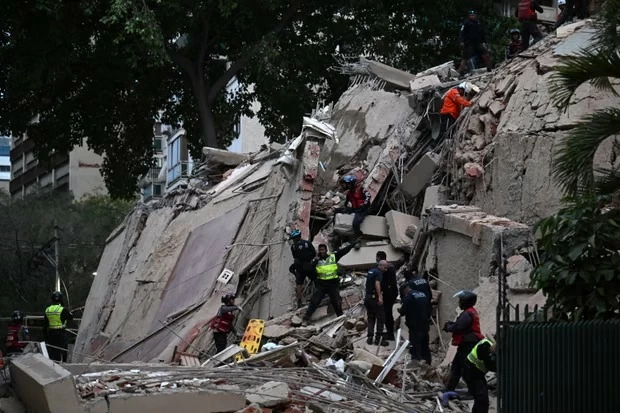
شهدت فنزويلا واحدة من أعنف الكوارث الطبيعية في تاريخها الحديث، بعدما أسفر زلزالان متتاليان ضربا البلاد عن مقتل ما لا يقل عن 32 شخصًا وإصابة نحو 700 آخرين، وسط عمليات إنقاذ واسعة وإعلان حالة الطوارئ في أنحاء متفرقة من البلاد.
وأعلنت الرئيسة المؤقتة لفنزويلا ديلسي رودريغيز أن الزلزالين تسببا في سقوط عشرات الضحايا والمصابين، مؤكدة أن فرق إنقاذ ومساعدات دولية بدأت بالفعل في الوصول إلى البلاد خلال الساعات القادمة لدعم جهود الاستجابة الإنسانية.
كما وجهت رودريغيز الشكر للرئيس الأمريكي دونالد ترمب بعد عرضه تقديم المساعدة لفنزويلا عقب الكارثة.
وكانت السلطات الفنزويلية أعلنت في وقت سابق حالة الطوارئ بعد أن أدت الهزتان الأرضيتان المتتاليتان إلى انهيار عدد من المباني في العاصمة كاراكاس، إلى جانب إغلاق المطار الرئيسي للبلاد كإجراء احترازي.
من جهته، أعلن وزير الخارجية الأمريكي ماركو روبيو أن الولايات المتحدة بدأت بشكل فوري نشر فرق للبحث والإنقاذ، إلى جانب إرسال مساعدات طبية وإنسانية إلى فنزويلا.
وقال روبيو في منشور عبر منصة «إكس»: «قلوبنا مع جميع من فقدوا أحبّاءهم، ومع المصابين، ومع فرق الإنقاذ التي تعمل بلا توقف في أعقاب الكارثة، أمريكا تقف إلى جانب الشعب الفنزويلي في هذا الوقت الصعب».
وفي سياق متصل، أوضحت تقارير أن البنية التحتية النفطية في فنزويلا لم تتعرض حتى الآن لأضرار مباشرة من الزلزالين، رغم استمرار عمليات التقييم داخل الحقول والمنشآت النفطية والمصافي، كما أكدت شركة شل سلامة موظفيها العاملين داخل البلاد.
وحذرت مصادر من أن استمرار انقطاع الكهرباء قد يؤدي إلى تراجع مستويات إنتاج النفط حتى استعادة الخدمات بالكامل.
وكانت التقارير الأولية قد تحدثت عن سقوط ضحايا في العاصمة، حيث لقي ثلاثة أشخاص مصرعهم إثر انهيار مبنيين في منطقة باروتا، فيما سُجلت وفاة أخرى وانهيار أربعة مبانٍ بالكامل في منطقة تشاكاو، مع نقل عشرات المصابين إلى المستشفيات.
وفي ولاية فالكون الساحلية، أعلنت السلطات إصابة 22 شخصًا وفقدان 15 آخرين، قبل أن ترتفع لاحقًا الحصيلة الإجمالية على مستوى البلاد.
كما أفادت السلطات الفنزويلية بأن البلاد تعرضت لأكثر من 20 هزة ارتدادية منذ وقوع الزلزال الأول مساء الأربعاء بالتوقيت المحلي، ما دفع آلاف السكان إلى البقاء خارج منازلهم خوفًا من هزات جديدة.
ووثّق شهود عيان لحظات من الذعر داخل العاصمة، حيث تحدث سكان عن تشققات في الجدران وسقوط أجزاء من الأسقف وفرار المواطنين إلى الشوارع وسط صرخات وخوف من انهيارات إضافية.
وتدفقت رسائل التضامن الدولية، إذ أعلن رئيس السلفادور ناييب بوكيلي تقديم بلاده المساعدة، فيما أمر رئيس الإكوادور دانييل نوبوا بإرسال مساعدات إنسانية عاجلة لدعم جهود الإغاثة في فنزويلا.
Venezuela has witnessed one of the most violent natural disasters in its modern history, as two consecutive earthquakes that struck the country resulted in the deaths of at least 32 people and injured around 700 others, amid extensive rescue operations and the declaration of a state of emergency in various parts of the country.
Interim President of Venezuela Delcy Rodríguez announced that the earthquakes caused dozens of casualties and injuries, confirming that rescue teams and international aid have already begun to arrive in the country in the coming hours to support humanitarian response efforts.
Rodríguez also thanked U.S. President Donald Trump for his offer to provide assistance to Venezuela following the disaster.
The Venezuelan authorities had previously declared a state of emergency after the two consecutive tremors led to the collapse of several buildings in the capital Caracas, as well as the closure of the country's main airport as a precautionary measure.
For his part, U.S. Secretary of State Marco Rubio announced that the United States has immediately begun deploying search and rescue teams, along with sending medical and humanitarian aid to Venezuela.
Rubio stated in a post on the platform "X": "Our hearts are with all those who have lost their loved ones, with the injured, and with the rescue teams working tirelessly in the aftermath of the disaster. America stands with the Venezuelan people during this difficult time."
In a related context, reports indicated that Venezuela's oil infrastructure has not yet suffered direct damage from the earthquakes, despite ongoing assessments within oil fields, facilities, and refineries. Shell also confirmed the safety of its employees working in the country.
Sources warned that continued power outages could lead to a decline in oil production levels until services are fully restored.
Initial reports mentioned casualties in the capital, where three people died due to the collapse of two buildings in the Baruta area, while another death was recorded and four buildings completely collapsed in the Chacao area, with dozens of the injured being transported to hospitals.
In the coastal state of Falcon, authorities reported 22 injuries and 15 people missing, before the overall toll across the country later increased.
The Venezuelan authorities also reported that the country experienced more than 20 aftershocks since the first earthquake occurred on Wednesday evening local time, prompting thousands of residents to remain outside their homes for fear of new tremors.
Eyewitnesses documented moments of panic within the capital, where residents spoke of cracks in walls, falling parts of ceilings, and citizens fleeing to the streets amid screams and fear of additional collapses.
International messages of solidarity poured in, as the President of El Salvador, Nayib Bukele, announced his country's offer of assistance, while Ecuador's President Daniel Noboa ordered the urgent dispatch of humanitarian aid to support relief efforts in Venezuela.