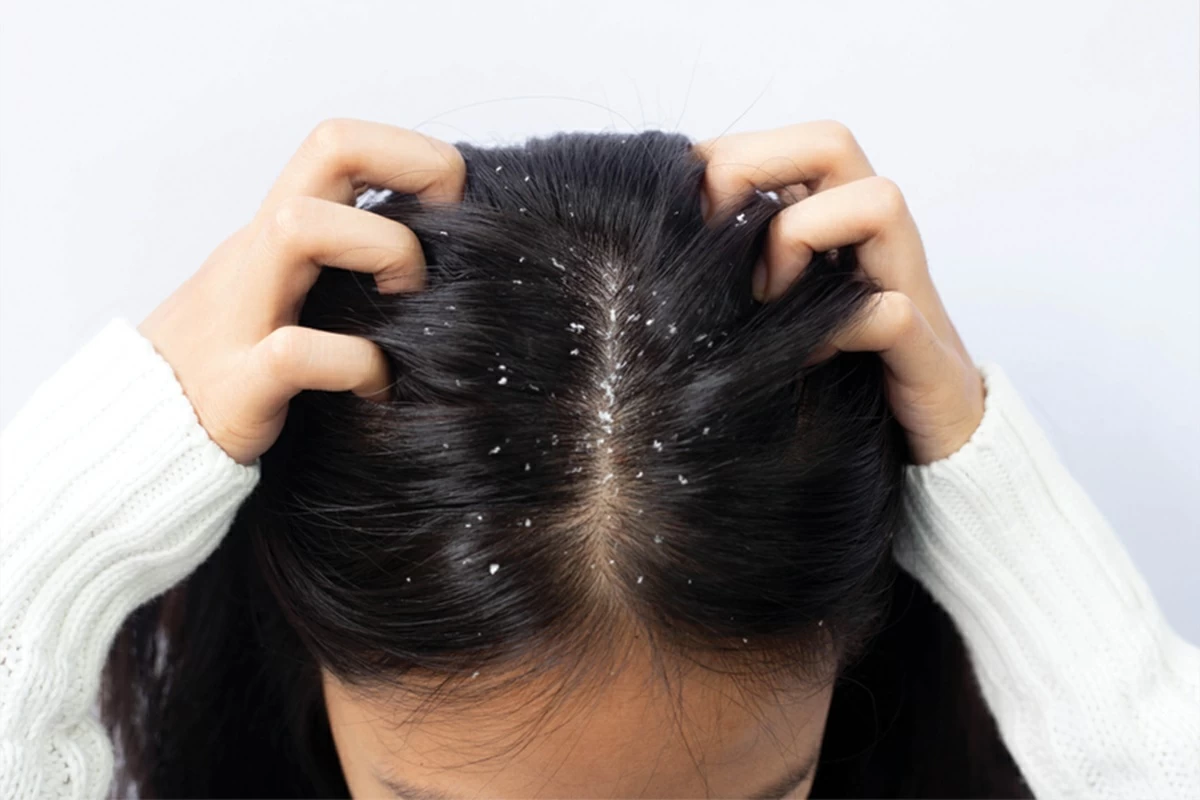
لم تعد قشرة الرأس مجرد مشكلة تجميلية مزعجة تتناثر على الملابس وتفسد المظهر العام فقط، بل تحولت في السنوات الأخيرة إلى مصدر قلق حقيقي ومؤرق لدى ملايين الأشخاص، الذين يربطون بينها وبين تساقط الشعر، خصوصاً عندما يلاحظون ازدياد كميات الشعر المتساقط أثناء الاستحمام أو التمشيط بالتزامن مع ظهور تلك القشور البيضاء.
لكن المفاجأة الطبية المدونة التي يكشفها خبراء طب الجلدية، هي أن القشرة لا تتسبب بشكل مباشر في حدوث الصلع أو تدمير بصيلات الشعر كما يعتقد قطاع عريض من الناس، إلا أن الخطر الحقيقي يكمن في ما تفعله هذه القشور داخل فروة الرأس بعيداً عن الأنظار.
وتشير الدراسات العلمية الحديثة إلى أن القشرة ليست مجرد خلايا جلد ميتة عابرة، بل ترتبط بحالة التهابية مزمنة تصيب فروة الرأس، نتيجة حدوث اختلال في التوازن الطبيعي بين إفراز الدهون ونمو بعض الفطريات الموجودة بشكل طبيعي على الجلد، وعندما يخرج هذا التوازن عن السيطرة، تبدأ القشور بالظهور وتترافق غالباً مع الحكة والتهيج الشديد.
كيف يتضرر الشعر؟
وهنا تبدأ الحلقة الإيجابية الأكثر خطورة على كثافة الشعر، والتي تتلخص في النقاط التالية:
- إضعاف الشعيرات: الحكة المستمرة تدفع الكثيرين إلى حك فروة الرأس بعنف وبشكل متكرر، مما يؤدي إلى إضعاف الشعيرات وتكسرها أو اقتلاعها مباشرة قبل اكتمال دورة نموها الطبيعية.
- بيئة هشة للبصيلات: الالتهاب المستمر حول البصيلات قد يدفع عدداً أكبر من الشعرات إلى الدخول في مرحلة التساقط بدلاً من الاستمرار في النمو.
- مؤشرات التهابية مرتفعة: كشفت الأبحاث الجديدة أن فروة الرأس المصابة بالقشرة تحتوي على مستويات أعلى من المؤشرات الالتهابية مقارنة بالفروة السليمة، مما يجعل البيئة المحيطة بجذور الشعر أكثر هشاشة وحساسية للعوامل الضارة.
وفي بعض الحالات الأكثر شدة، لا تكون المشكلة مجرد قشرة عادية، بل حالة مرضية تُعرف بالتهاب الجلد الدهني، حيث تظهر قشور سميكة مصحوبة باحمرار وحكة مزمنة، ويؤكد الأطباء أن هذه الحالة ترتبط بشكل أكبر بتساقط الشعر المؤقت إذا تُرِكت دون علاج طبي لفترات طويلة.
كما يسلط العلماء الضوء على عامل جديد يفسر العلاقة بين القشرة وضعف الشعر وهو «الإجهاد التأكسدي»، حيث تتراكم الجذور الحرة داخل فروة الرأس وتؤثر سلباً في قوة الشعرة وجودتها، مما يجعلها أكثر عرضة للتساقط والتكسر السريع.
حل طبي بسيط
رغم كل هذه التحذيرات، يؤكد المختصون أن الخبر الجيد يتمثل في أن معظم حالات التساقط المرتبطة بالقشرة تكون مؤقتة وقابلة للعلاج تماماً، إذ يؤدي التحكم بالالتهاب والقضاء على القشور إلى تحسن ملحوظ وسريع في صحة فروة الرأس، وعودة الشعر إلى دورة نموها الطبيعية المستقرة.
وينصح الأطباء بعدم تجاهل القشرة المزمنة، خصوصاً إذا كانت مصحوبة بحكة شديدة، أو احمرار، أو زيادة واضحة في تساقط الشعر، لأن التعامل المبكر معها يمنع تحول مشكلة بسيطة إلى أزمة تؤثر على كثافة الشعر بالكامل، فعلاج القشرة هو خطوة أساسية للحفاظ على شعر قوي وصحي على المدى الطويل.
Dandruff is no longer just an annoying cosmetic problem that scatters on clothes and ruins the overall appearance; it has turned in recent years into a real and troubling concern for millions of people, who associate it with hair loss, especially when they notice an increase in the amount of hair falling out during showering or combing, coinciding with the appearance of those white flakes.
However, the medical surprise revealed by dermatology experts is that dandruff does not directly cause baldness or destroy hair follicles as a large segment of people believes. The real danger lies in what these flakes do inside the scalp, away from sight.
Recent scientific studies indicate that dandruff is not just transient dead skin cells; it is associated with a chronic inflammatory condition affecting the scalp, resulting from an imbalance in the natural secretion of oils and the growth of certain fungi that are normally present on the skin. When this balance goes out of control, flakes begin to appear, often accompanied by itching and severe irritation.
How does hair get damaged?
Here begins the most dangerous positive feedback loop affecting hair density, summarized in the following points:
- Weakening of hair strands: Continuous itching drives many to scratch the scalp violently and repeatedly, leading to the weakening and breaking of hair strands or pulling them out directly before completing their natural growth cycle.
- Brittle environment for follicles: Continuous inflammation around the follicles may push a larger number of hair strands into the shedding phase instead of continuing to grow.
- High inflammatory markers: New research has revealed that the scalp affected by dandruff contains higher levels of inflammatory markers compared to a healthy scalp, making the environment surrounding hair roots more fragile and sensitive to harmful factors.
In some more severe cases, the problem is not just ordinary dandruff but a medical condition known as seborrheic dermatitis, where thick flakes appear accompanied by redness and chronic itching. Doctors confirm that this condition is more closely related to temporary hair loss if left untreated for long periods.
Scientists also highlight a new factor that explains the relationship between dandruff and weakened hair, which is "oxidative stress," where free radicals accumulate within the scalp and negatively affect the strength and quality of the hair strand, making it more susceptible to falling out and breaking quickly.
A simple medical solution
Despite all these warnings, specialists affirm that the good news is that most cases of hair loss associated with dandruff are temporary and completely treatable, as controlling inflammation and eliminating flakes leads to a noticeable and rapid improvement in scalp health and a return of hair to its stable natural growth cycle.
Doctors advise not to ignore chronic dandruff, especially if accompanied by severe itching, redness, or a noticeable increase in hair loss, as early intervention prevents a simple problem from turning into a crisis that affects overall hair density. Treating dandruff is a fundamental step in maintaining strong and healthy hair in the long term.