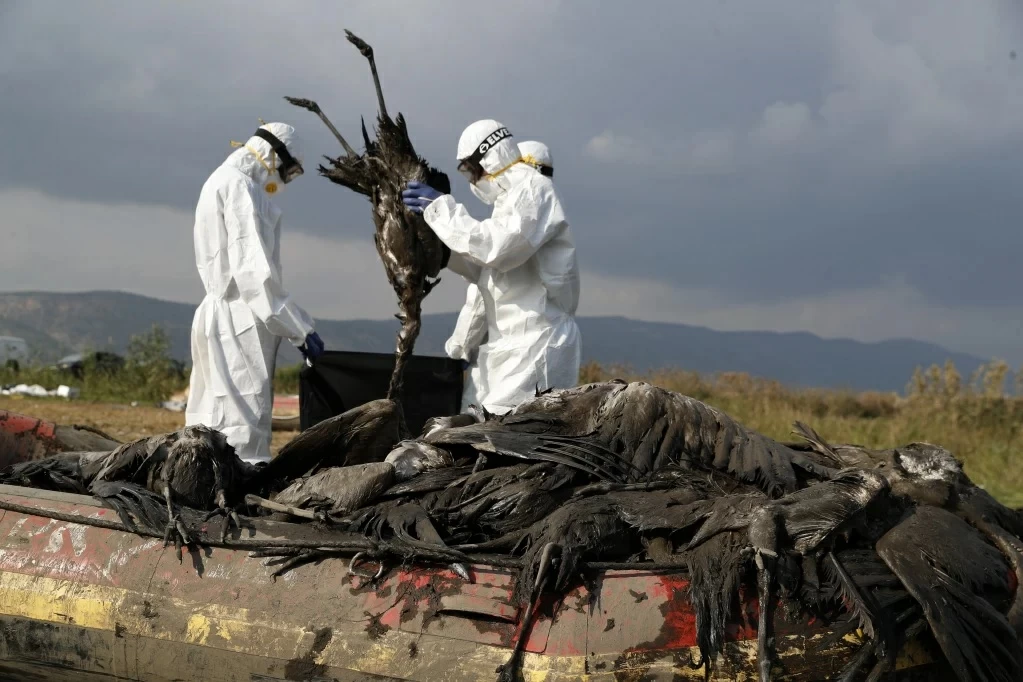
سجلت أستراليا أول ظهور لسلالة «إتش 5» شديدة العدوى من إنفلونزا الطيور في أراضيها الرئيسية، منهية بذلك سنوات من بقائها بعيدة عن الفايروس الذي انتشر على نطاق واسع في العديد من دول العالم.
وأعلنت وزيرة الزراعة الأسترالية جولي كولينز أن السلالة رُصدت لدى طائر بحري مهاجر من نوع الكركر البني في منطقة نائية بغرب البلاد، بعدما أكدت الفحوص المخبرية التي أجرتها وكالة العلوم الوطنية إصابته بالفايروس.
كما كشفت السلطات عن نتائج أولية تشير إلى احتمال إصابة طائر آخر من نوع النوء العملاق، في انتظار استكمال الفحوص اللازمة للتأكد من الحالة.
وخلال مؤتمر صحفي في العاصمة كانبرا، أوضحت كولينز أن اكتشاف الفايروس، رغم كونه تطوراً غير مرغوب فيه، لم يكن مفاجئاً في ظل انتشاره الواسع حول العالم خلال السنوات الأخيرة. وأكدت في الوقت ذاته عدم تسجيل أي مؤشرات إلى نفوق جماعي للطيور أو انتقال العدوى إلى مزارع الدواجن حتى الآن.
ويُعد فايروس «إتش 5» من أكثر سلالات إنفلونزا الطيور خطورة، إذ تسبب في خسائر كبيرة بين الطيور البرية والدواجن في عدد من الدول، كما سُجلت إصابات في أنواع مختلفة من الثدييات، بما في ذلك الثدييات البحرية والقطط والماعز والألبكة والخنازير.
وفي تطور مرتبط بالفايروس، أعلن علماء أستراليون أخيراً أن السلالة نفسها تسببت في نفوق أكثر من 13 ألفاً من صغار فقمة الفيل داخل مستعمرة تكاثر في جزيرتي هيرد وماكدونالد الواقعتين جنوب المحيط الهندي، في واحدة من أكبر الخسائر المسجلة للحياة البرية المرتبطة بالمرض.
Australia has recorded its first appearance of the highly infectious "H5" strain of bird flu in its mainland, ending years of being free from the virus that has spread widely in many countries around the world.
Australian Agriculture Minister Julie Collins announced that the strain was detected in a migratory seabird of the brown skua species in a remote area of the country, after laboratory tests conducted by the national science agency confirmed its infection with the virus.
The authorities also revealed preliminary results indicating a possible infection in another bird of the giant petrel species, pending the completion of necessary tests to confirm the case.
During a press conference in the capital Canberra, Collins explained that the discovery of the virus, while an undesirable development, was not surprising given its widespread presence around the world in recent years. She also confirmed that there have been no indications of mass bird deaths or transmission to poultry farms so far.
The "H5" virus is considered one of the most dangerous strains of bird flu, having caused significant losses among wild birds and poultry in several countries, and infections have also been recorded in various mammal species, including marine mammals, cats, goats, alpacas, and pigs.
In a related development regarding the virus, Australian scientists recently announced that the same strain has caused the deaths of more than 13,000 young elephant seals within a breeding colony on Heard and McDonald Islands located in the southern Indian Ocean, marking one of the largest recorded wildlife losses associated with the disease.