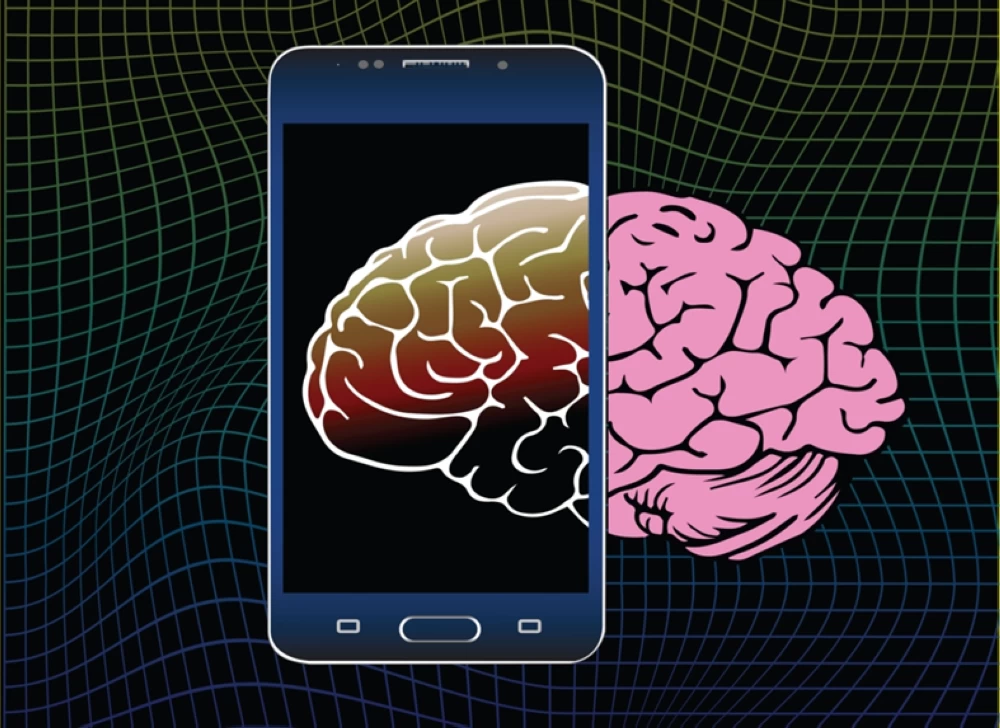
يلجأ كثيرون إلى لوم أنفسهم عند تراجع قدرتهم على التركيز وتراكم المهام اليومية، أو عند عجزهم عن مقاومة تفقد هواتفهم باستمرار. إلا أن المشكلة قد لا ترتبط بضعف الانضباط أو الشخصية، بل بطريقة عمل نظام المكافأة في الدماغ، وفقاً لتقرير نشره موقع Liven.
ومع كل إشعار جديد أو عملية تصفح أو نقرة سريعة على المحتوى الرقمي، يحصل الدماغ على دفعات متكررة من الدوبامين. ومع استمرار هذا النمط، يبدأ بالتكيف مع مستويات التحفيز المرتفعة، ما يجعله بحاجة إلى مزيد من الإثارة للحصول على التأثير نفسه.
ويُعد الدوبامين من أبرز النواقل العصبية المرتبطة بالحافز والتوقع وبذل الجهد، ولا يقتصر دوره على الشعور بالمتعة فقط، إذ يساعد على بدء المهام والاستمرار فيها والشعور بالرضا بعد إنجازها.
لماذا تصبح المهام أكثر صعوبة؟
نتيجة لذلك، قد تبدو الأنشطة الأقل تحفيزاً، مثل العمل العميق أو المحادثات الهادفة، أكثر صعوبة، بل شبه مستحيلة لدى بعض الأشخاص.
أبرز الصعوبات المرتبطة باضطراب تنظيم الدوبامين
وأشار التقرير إلى أن من يعانون من اضطراب في تنظيم الدوبامين قد يواجهون عدداً من التحديات، أبرزها:
صعوبة البدء في تنفيذ المهام رغم إدراك أهميتها.
ضعف القدرة على التركيز على نشاط واحد لفترة طويلة.
تراجع الشعور بالرضا بعد إنجاز الأعمال.
صعوبة مقاومة القرارات الاندفاعية أو عوامل التشتيت المفاجئة.
كيف يمكن استعادة السيطرة؟
بحسب التقرير، هناك مجموعة من الأساليب المدعومة بالأبحاث التي تساعد على دعم وظائف الدماغ وتحسين الانتباه والسلوك.
وتختلف محفزات الدوبامين من شخص لآخر، فقد تمثل وسائل التواصل الاجتماعي المصدر الرئيسي للتحفيز المفرط لدى البعض، بينما يكون تبديل المهام باستمرار أو الإفراط في التفكير أو الإرهاق الناتج عن كثرة القرارات اليومية هو العامل الأبرز لدى آخرين.
يساعد العلاج السلوكي المعرفي على إعادة تشكيل أنماط التفكير التلقائية ووضع خطط واقعية قابلة للتنفيذ، بما يدعم التركيز وتنظيم السلوك.
كما يمكن الاستعانة بمدرب متخصص أو تطبيقات مخصصة للمساعدة في إعادة ضبط حساسية نظام المكافأة تدريجياً، ورصد عوامل التشتيت وتقليلها، إلى جانب متابعة الحالة المزاجية ومستويات الطاقة وأنماط الإنجاز.
وأوضح التقرير أن تنظيم الدوبامين يرتبط ارتباطاً وثيقاً بجودة النوم، إذ إن الحرمان حتى من قدر بسيط من النوم قد يؤدي إلى انخفاض الدافعية وارتفاع السلوكيات الاندفاعية في اليوم التالي.
علامات قد تشير إلى اضطراب الدوبامين
ومن أبرز المؤشرات التي قد تدل على وجود خلل في تنظيم الدوبامين:
الشعور المتكرر بالإرهاق رغم غياب الإجهاد الواضح.
العمل على عدة مشاريع غير مكتملة في الوقت نفسه.
فقدان الاهتمام المتكرر بأنشطة كانت تمنح المتعة سابقاً.
الإحساس الدائم بالتأخر عن الآخرين أو عدم التوافق مع متطلبات الحياة اليومية.
الدماغ قادر على التعافي
وأكد التقرير أن المرونة العصبية التي سمحت للدماغ بالتكيف مع فرط التحفيز هي نفسها التي تمنحه القدرة على التعافي، مشيراً إلى أن التغيير السلوكي المستمر والموجه، وليس الحلول المتطرفة أو الاعتماد على الجهد المفرط، يمكن أن يحدث فرقاً حقيقياً مع مرور الوقت.
وأشار التقرير إلى أن فهم نمط التحفيز الخاص بكل شخص يمثل بداية استعادة التركيز والحافز، مع إمكانية تحقيق نتائج إيجابية عبر تعزيز التركيز، وبناء روتين يومي يتوافق مع طبيعة الدماغ وحاجاته.
Many people tend to blame themselves when their ability to focus declines and daily tasks pile up, or when they struggle to resist constantly checking their phones. However, the problem may not be related to a lack of discipline or character, but rather to the way the brain's reward system operates, according to a report published by Liven.
With every new notification, browsing session, or quick click on digital content, the brain receives repeated bursts of dopamine. As this pattern continues, it begins to adapt to the heightened levels of stimulation, making it require more excitement to achieve the same effect.
Dopamine is one of the most prominent neurotransmitters associated with motivation, expectation, and effort, and its role is not limited to just feeling pleasure; it helps initiate tasks, persist in them, and feel satisfaction after completing them.
Why do tasks become more difficult?
As a result, less stimulating activities, such as deep work or meaningful conversations, may seem more challenging, even nearly impossible for some individuals.
Key difficulties associated with dopamine dysregulation
The report indicated that those who suffer from dopamine dysregulation may face several challenges, including:
Difficulty starting tasks despite recognizing their importance.
Weak ability to focus on a single activity for an extended period.
Decreased sense of satisfaction after completing work.
Difficulty resisting impulsive decisions or sudden distractions.
How can control be regained?
According to the report, there are a variety of research-supported methods that help support brain functions and improve attention and behavior.
Dopamine triggers vary from person to person; for some, social media may represent the primary source of excessive stimulation, while for others, constantly switching tasks, overthinking, or exhaustion from numerous daily decisions may be the most significant factors.
Cognitive behavioral therapy helps reshape automatic thinking patterns and establish realistic, actionable plans, thereby supporting focus and behavior regulation.
A specialized coach or dedicated apps can also assist in gradually resetting the sensitivity of the reward system, monitoring and reducing distractions, as well as tracking mood, energy levels, and achievement patterns.
The report explained that dopamine regulation is closely linked to sleep quality, as even a small amount of sleep deprivation can lead to decreased motivation and increased impulsive behaviors the following day.
Signs that may indicate dopamine dysregulation
Some of the most notable indicators that may suggest a disruption in dopamine regulation include:
Frequent feelings of fatigue despite the absence of clear stress.
Working on several incomplete projects simultaneously.
Repeated loss of interest in activities that were previously enjoyable.
Constant feeling of falling behind others or not keeping up with the demands of daily life.
The brain is capable of recovery
The report emphasized that the neural flexibility that allows the brain to adapt to overstimulation is the same that grants it the ability to recover, noting that continuous and directed behavioral change, rather than extreme solutions or reliance on excessive effort, can make a real difference over time.
The report pointed out that understanding each person's unique stimulation pattern represents the beginning of regaining focus and motivation, with the potential for positive outcomes through enhancing concentration and building a daily routine that aligns with the brain's nature and needs.