في قلب آسيا الوسطى، حيث عبرت القوافل بين الشرق والغرب، تستعيد أوزبكستان حضورها من بوابة طريق الحرير، أحد أشهر المسارات التجارية والثقافية في التاريخ.
وبين سمرقند وبخارى وطشقند، تتداخل الحكاية القديمة، مع مشهد حديث يسعى إلى تحويل الإرث الحضاري إلى قوة سياحية واقتصادية وثقافية.
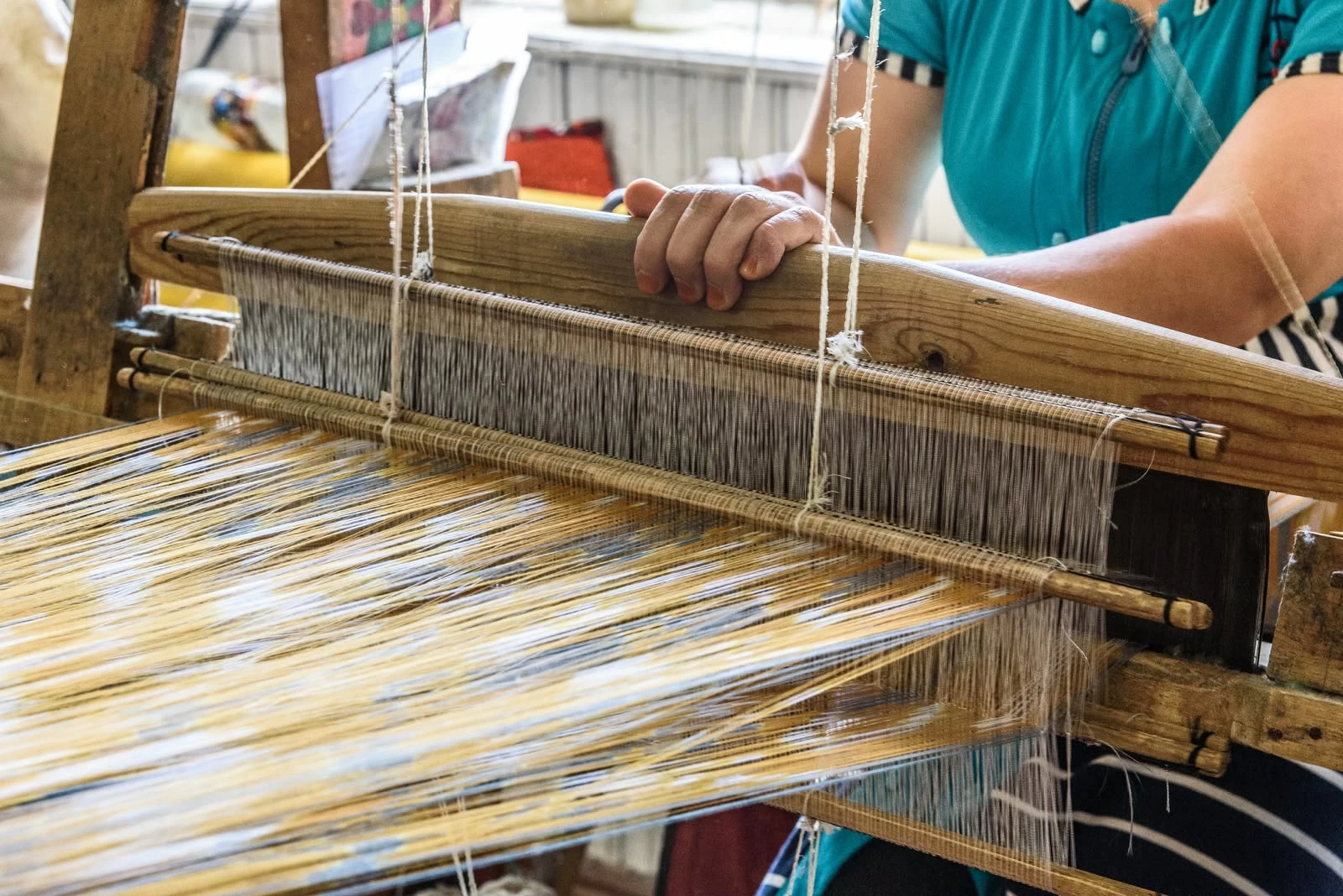
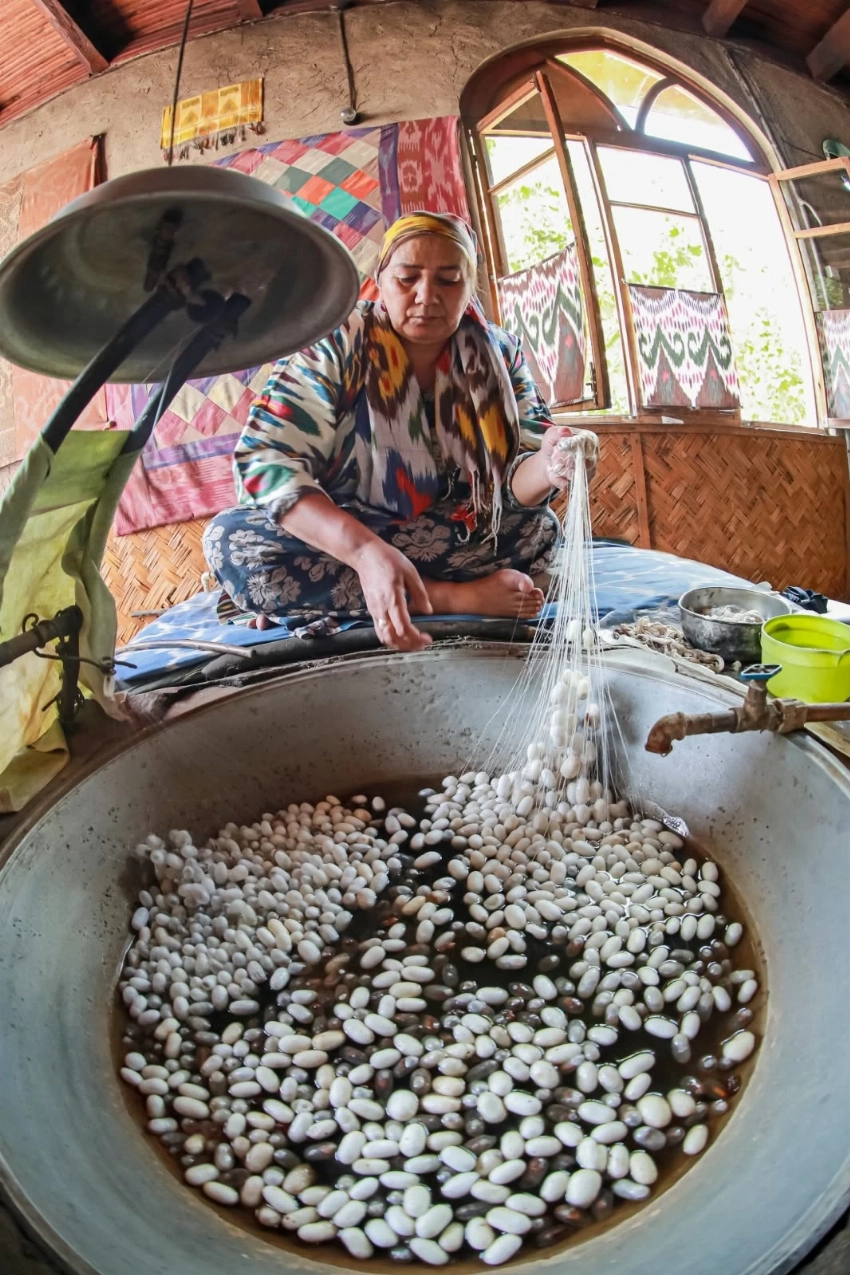
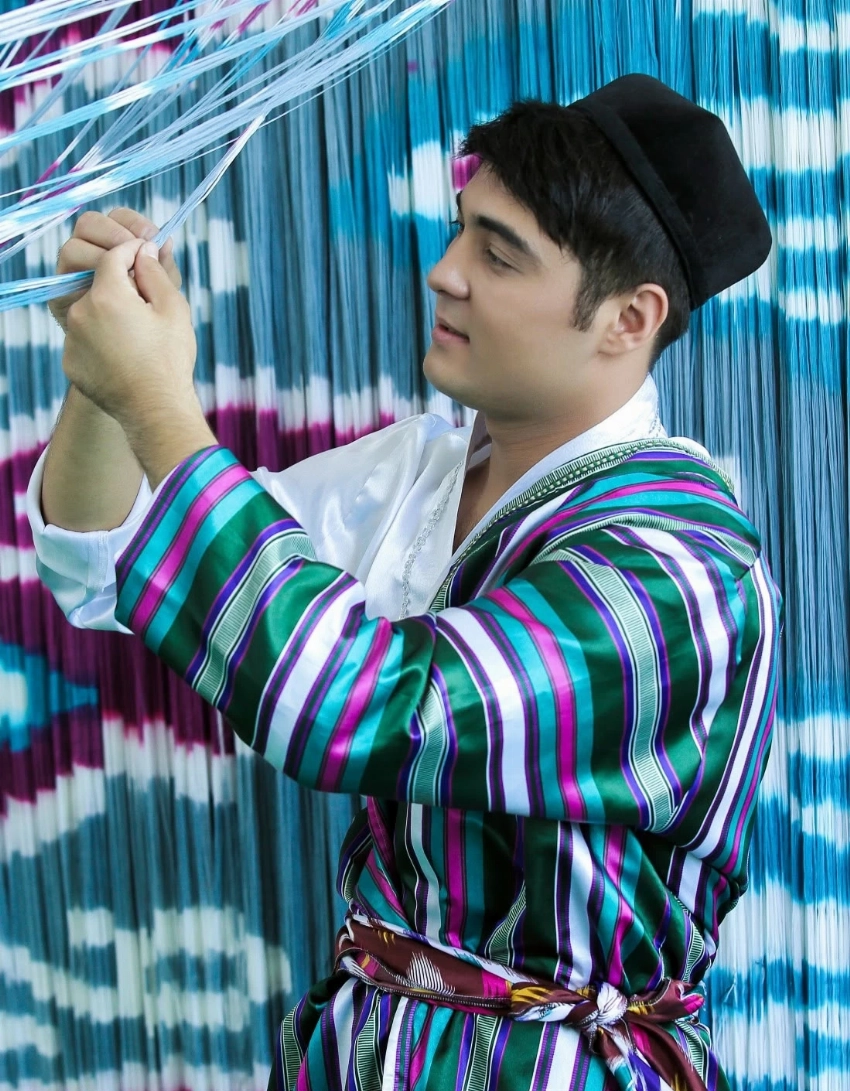
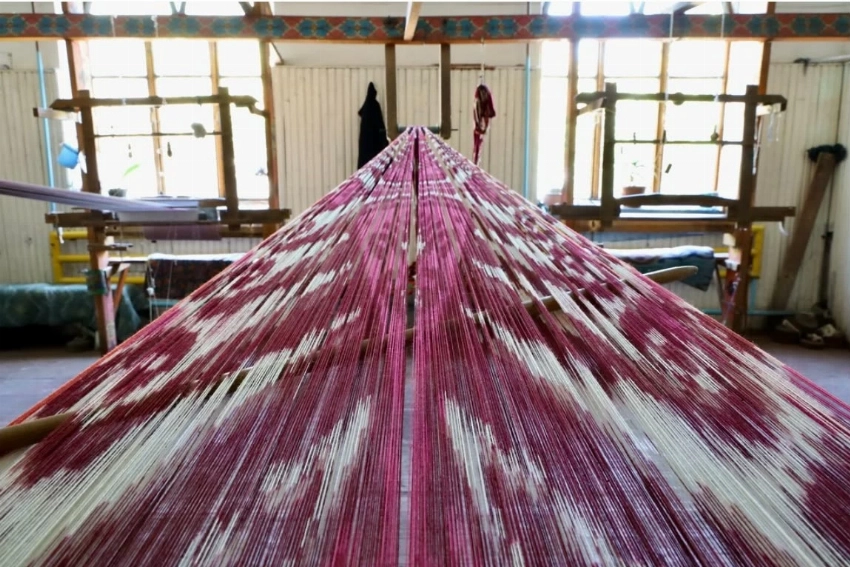
وتأتي صناعة الحرير في مقدمة الشواهد الحية على هذا الإرث، فمن أوراق التوت التي تتغذى عليها دودة القز، تبدأ رحلة طويلة ودقيقة، تمر بجمع الشرانق وغمرها في الماء الساخن وفك خيوطها، ثم غسلها وتلوينها ونسجها، وصولاً إلى منتجات فاخرة، تحمل بصمة المكان وذاكرة الطريق الذي ربط الحضارات لقرون.
سمرقند.. ذاكرة مفتوحة
تحتفظ سمرقند بمكانة خاصة في الذاكرة الإسلامية والآسيوية، فقد كانت محطة رئيسية للتجار والعلماء والرحالة، ومركزاً لعبور السلع والأفكار والفنون، وفي شوارعها وأسواقها، يحضر التاريخ في العمارة الزرقاء، والمدارس القديمة، والقباب، والمآذن، والحرف التي ما زالت تمارسها أيدٍ ورثت المهارة جيلاً بعد جيل.
وللقارئ السعودي، تملك سمرقند قرباً وجدانياً وثقافياً واضحاً، فهي جزء من فضاء إسلامي واسع، ارتبط بأسماء العلماء والمدارس والطرق التجارية التي حملت المعرفة إلى جانب البضائع، وزيارة أوزبكستان تمنح السائح فرصة للعودة إلى صفحات من التاريخ الإسلامي، في بلد يجمع بين الأصالة والانفتاح والضيافة.
ورق التوت.. الخيط الفاخر
تبدأ رحلة الحرير من تفاصيل صغيرة تحتاج إلى عناية وصبر، تتغذى دودة القز على أوراق التوت في موسم يمتد عادة من أبريل إلى يونيو، ثم تلف نفسها داخل شرنقة تتحول لاحقاً إلى خيط حريري طويل، وبعد جمع الشرانق وفرزها، تبدأ مرحلة استخراج الخيوط، وهي عملية دقيقة تحتاج إلى خبرة يعرفها المزارعون والحرفيون في القرى الأوزبكية.
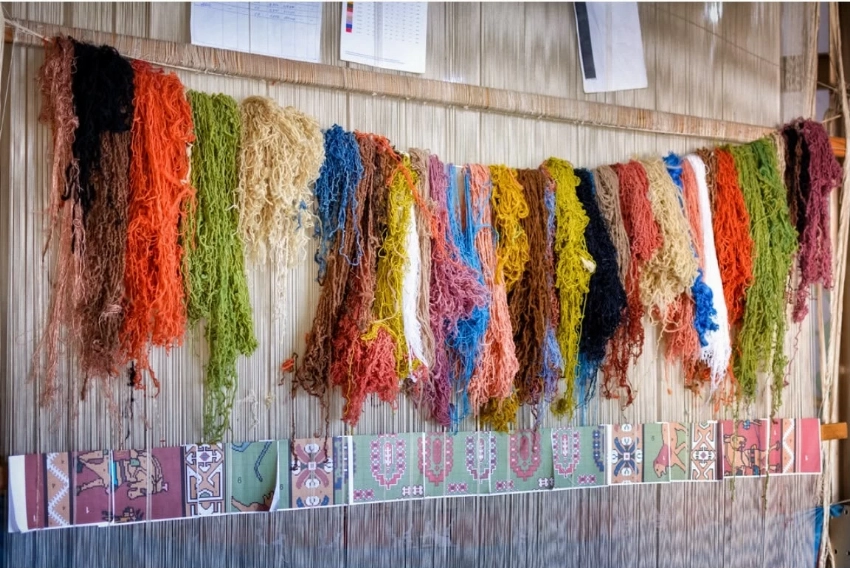
وتحمل الشرنقة الواحدة خيطاً قد يصل طوله إلى كيلومتر أو أكثر. وبعد استخراجه، تغسل الخيوط وتلون بمواد طبيعية، مثل الرمان وقشور البصل والجوز، ثم تدخل مرحلة النسج، لتتحول إلى أقمشة وسجاد ومنسوجات يدوية تحمل قيمة فنية واقتصادية عالية.
حرفة قديمة بعين اقتصادية جديدة
تتعامل أوزبكستان مع الحرير كقطاع اقتصادي قابل للنمو والتصدير، فالبلاد تعد من أبرز منتجي الحرير عالمياً، وبلغ إنتاجها نحو ٢٦ ألف طن في عام ٢٠٢٤، وسط توجه لتعزيز حضورها في الأسواق الخارجية، خصوصاً في صناعات الأزياء والمنسوجات الفاخرة.
وتعمل طشقند على تطوير هذا القطاع عبر تحسين عوائد المنتجين، وزيادة الاهتمام بمزارع التوت، ودعم سلاسل الإنتاج التي تبدأ من تربية دودة القز وتنتهي بالملابس والمفروشات والسجاد.
ويمنح هذا التوجه الصناعة مساحة أوسع للحضور في أسواق جديدة، ويفتح الطريق أمام شراكات تجارية واستثمارية في الزراعة والصناعة والتسويق والسياحة.
ما الذي يهم الزائر السعودي؟
تقدم أوزبكستان للزائر السعودي تجربة قريبة من الوجدان ومختلفة في التفاصيل. فمدن مثل سمرقند وبخارى وطشقند تجمع بين التاريخ الإسلامي، والأسواق الشعبية، والحرف التقليدية، والمطاعم المحلية، والضيافة الشرقية، إضافة إلى تكلفة سياحية مناسبة مقارنة بوجهات أخرى.
وتضيف صناعة الحرير بعداً خاصاً للرحلة، فالزائر يستطيع أن يرى كيف تتحول الشرنقة الصغيرة إلى قماش فاخر، وكيف تحافظ الأسر والحرفيون على مهارة قديمة وسط اقتصاد يتجه نحو الانفتاح.
هذه التجربة تمنح السائح قصة حية، وصورة مختلفة عن بلد يعتز بتاريخه ويعيد تقديمه للعالم.
فرص أمام المستثمر السعودي
مع تنامي العلاقات السعودية الأوزبكية، تبرز صناعة الحرير والحرف التراثية والسياحة الثقافية كمساحات واعدة أمام المستثمرين السعوديين. فالفرص تشمل إنتاج الحرير، والتصميم، والتغليف، والتصدير، والتجارة الإلكترونية، وتنظيم التجارب السياحية المرتبطة بالحرف والأسواق التاريخية.
وتملك أوزبكستان عناصر جاذبة للمستثمر، من بينها الموقع الحيوي في آسيا الوسطى، والعمالة الماهرة، والإرث الصناعي، والرغبة الرسمية في توسيع الشراكات الخارجية.
كما يمكن للمنتجات الحريرية الأوزبكية أن تجد حضوراً في السوق الخليجية، خصوصاً في الهدايا الفاخرة، والديكور، والأزياء، والسجاد، والمنتجات التراثية الراقية.
طريق الحرير يعود بلغة جديدة
يعرف الأوزبك جيداً أن طريق الحرير حمل عبر التاريخ التجارة والمعرفة والفنون واللغات، واليوم، تحاول أوزبكستان استعادة هذا الدور عبر الاستثمار في التراث والسياحة والصناعات التقليدية، وتقديم نفسها كوجهة تملك تاريخاً عريقاً وطموحاً اقتصادياً متجدداً.
وبينما يبحث كثير من السعوديين عن وجهات جديدة قريبة ثقافياً وغنية بالتجارب، تظهر أوزبكستان كخيار مختلف يجمع التاريخ الإسلامي، والأسواق، والطبيعة، والضيافة، والحرف الأصيلة. وفي قلب هذه الصورة، يبقى الحرير الأوزبكي شاهداً على بلد ينسج من الماضي خيوطاً جديدة نحو المستقبل.
In the heart of Central Asia, where caravans crossed between East and West, Uzbekistan is reclaiming its presence through the gateway of the Silk Road, one of the most famous trade and cultural routes in history.
Between Samarkand, Bukhara, and Tashkent, the ancient tale intertwines with a modern scene that seeks to transform the civilizational heritage into a tourism, economic, and cultural force.
The silk industry stands at the forefront of this living heritage, as the journey begins with the mulberry leaves that the silkworm feeds on, leading to a long and meticulous process that involves collecting the cocoons, soaking them in hot water, and unraveling the threads, followed by washing, dyeing, and weaving them into luxurious products that carry the imprint of the place and the memory of the road that connected civilizations for centuries.
Samarkand.. An Open Memory
Samarkand holds a special place in Islamic and Asian memory, having been a major stop for traders, scholars, and travelers, and a center for the exchange of goods, ideas, and arts. In its streets and markets, history is present in the blue architecture, ancient schools, domes, minarets, and crafts that are still practiced by hands that have inherited skill from generation to generation.
For the Saudi reader, Samarkand has a clear emotional and cultural proximity, as it is part of a vast Islamic space connected to the names of scholars, schools, and trade routes that carried knowledge alongside goods. Visiting Uzbekistan offers tourists the chance to return to pages of Islamic history in a country that combines authenticity, openness, and hospitality.
Mulberry Leaves.. The Luxurious Thread
The journey of silk begins with small details that require care and patience. The silkworm feeds on mulberry leaves during a season that usually extends from April to June, then it wraps itself inside a cocoon that later transforms into a long silk thread. After collecting and sorting the cocoons, the extraction of the threads begins, a precise process that requires expertise known to farmers and artisans in Uzbek villages.
Each cocoon carries a thread that can reach a length of up to a kilometer or more. After extraction, the threads are washed and dyed with natural materials, such as pomegranate, onion peels, and walnut, before entering the weaving stage, transforming into fabrics, carpets, and handmade textiles that carry high artistic and economic value.
An Ancient Craft with a New Economic Vision
Uzbekistan treats silk as a growing and exportable economic sector, as the country is one of the world's leading silk producers, with production reaching about 26,000 tons in 2024, amidst a trend to enhance its presence in foreign markets, especially in the fashion and luxury textile industries.
Tashkent is working on developing this sector by improving producers' returns, increasing interest in mulberry farms, and supporting production chains that start from silkworm breeding and end with clothing, furnishings, and carpets.
This approach gives the industry a broader space to enter new markets and opens the way for commercial and investment partnerships in agriculture, industry, marketing, and tourism.
What Matters to the Saudi Visitor?
Uzbekistan offers the Saudi visitor an experience that is emotionally close and different in details. Cities like Samarkand, Bukhara, and Tashkent combine Islamic history, popular markets, traditional crafts, local restaurants, and Eastern hospitality, in addition to a reasonable tourism cost compared to other destinations.
The silk industry adds a special dimension to the journey, as visitors can see how a small cocoon transforms into luxurious fabric and how families and artisans maintain an ancient skill amidst an economy moving towards openness.
This experience provides tourists with a living story and a different image of a country that takes pride in its history and reintroduces it to the world.
Opportunities for Saudi Investors
With the growing Saudi-Uzbek relations, the silk industry, heritage crafts, and cultural tourism emerge as promising areas for Saudi investors. Opportunities include silk production, design, packaging, export, e-commerce, and organizing tourism experiences related to crafts and historical markets.
Uzbekistan possesses attractive elements for investors, including its strategic location in Central Asia, skilled labor, industrial heritage, and the official desire to expand external partnerships.
Uzbek silk products can also find a presence in the Gulf market, especially in luxury gifts, decor, fashion, carpets, and high-end heritage products.
The Silk Road Returns with a New Language
Uzbek people know well that the Silk Road historically carried trade, knowledge, arts, and languages, and today, Uzbekistan is trying to reclaim this role by investing in heritage, tourism, and traditional industries, presenting itself as a destination with a rich history and renewed economic ambition.
While many Saudis are looking for new culturally close destinations rich in experiences, Uzbekistan appears as a different option that combines Islamic history, markets, nature, hospitality, and authentic crafts. At the heart of this image, Uzbek silk remains a testament to a country weaving new threads from the past towards the future.