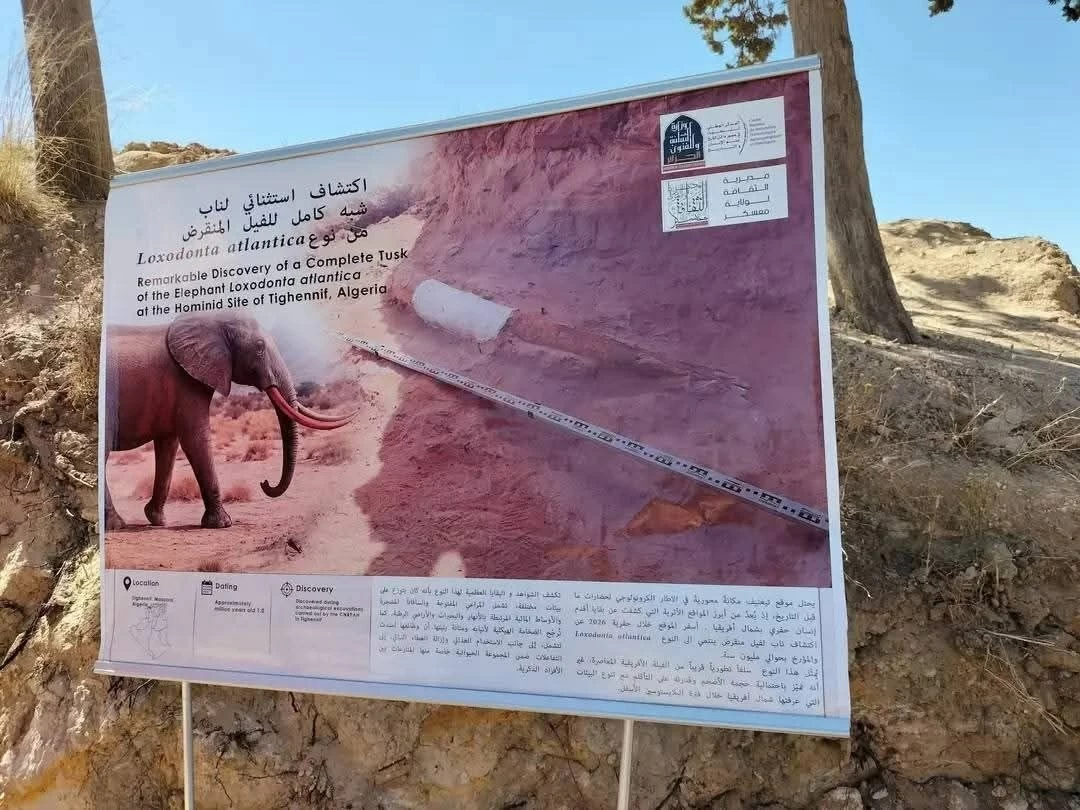
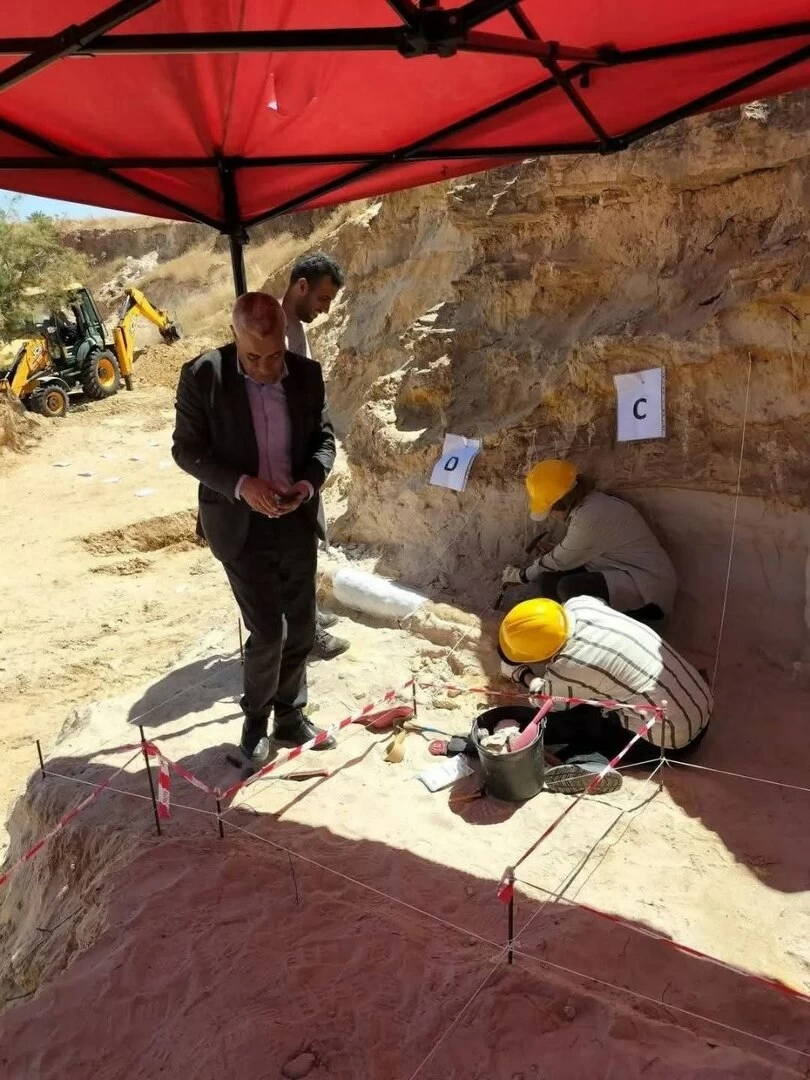
نجح فريق من الباحثين والخبراء في علم الآثار في الجزائر، بقيادة البروفيسور محمد سحنوني، في اكتشاف ناب فيل عملاق ينتمي إلى نوع «الفيل الأطلسي» المنقرض، وذلك في الموقع الأثري الشهير «رجل تيغنيف» ببلدية تيغنيف في ولاية معسكر غرب الجزائر.
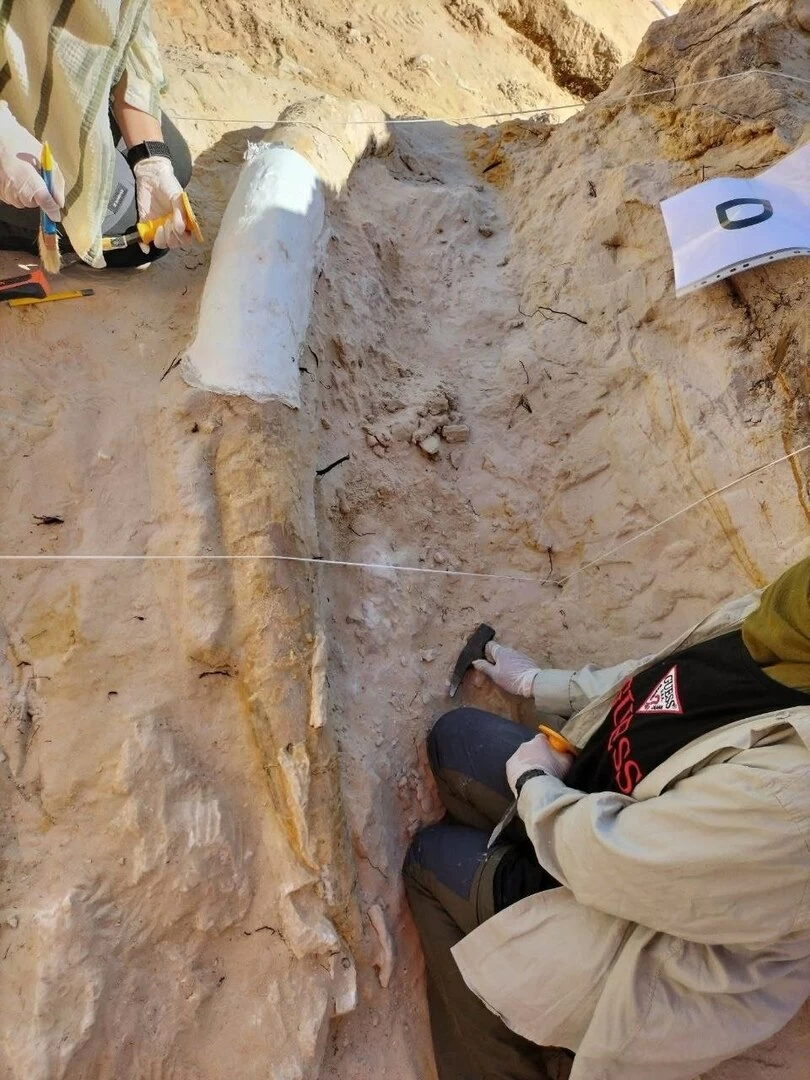
ووصف الفريق البحثي الاكتشاف الجديد بأنه يعد من أبرز المكتشفات الحفرية في الآونة الأخيرة، نظراً لحالة الحفظ الاستثنائية للناب.
ويبلغ طول الناب في وضعه الحالي نحو 2.35 متر، ويكاد يكون كاملاً من الناحية البنيوية، مما يجعله واحداً من أكثر العينات اكتمالاً المكتشفة حتى الآن في شمال إفريقيا.
ويرجح الباحثون أن الناب يعود إلى فترة تراوح بين مليون ومليون و200 ألف سنة، أي العصر الحجري القديم (الأشولي).
وأكد البروفيسور محمد سحنوني أن هذه القطعة ستساهم بشكل كبير في فهم البيئة الطبيعية والحيوانية التي عاش فيها الإنسان الأول بشمال أفريقيا، خصوصًا في موقع تيغنيف الذي يُعد من أهم المواقع ما قبل التاريخية في العالم.
ويقع موقع «رجل تيغنيف» المعروف سابقاً باسم تيرنيفين على بعد نحو 20 كيلومترا شرق مدينة معسكر، حيث اكتشف فيه عام 1954 بقايا هيكلية لإنسان يعود عمره إلى نحو 700 ألف سنة، ويُصنف ضمن مرحلة «هومو إريكتوس» أو ما يُعرف بـ«رجل الأطلس».
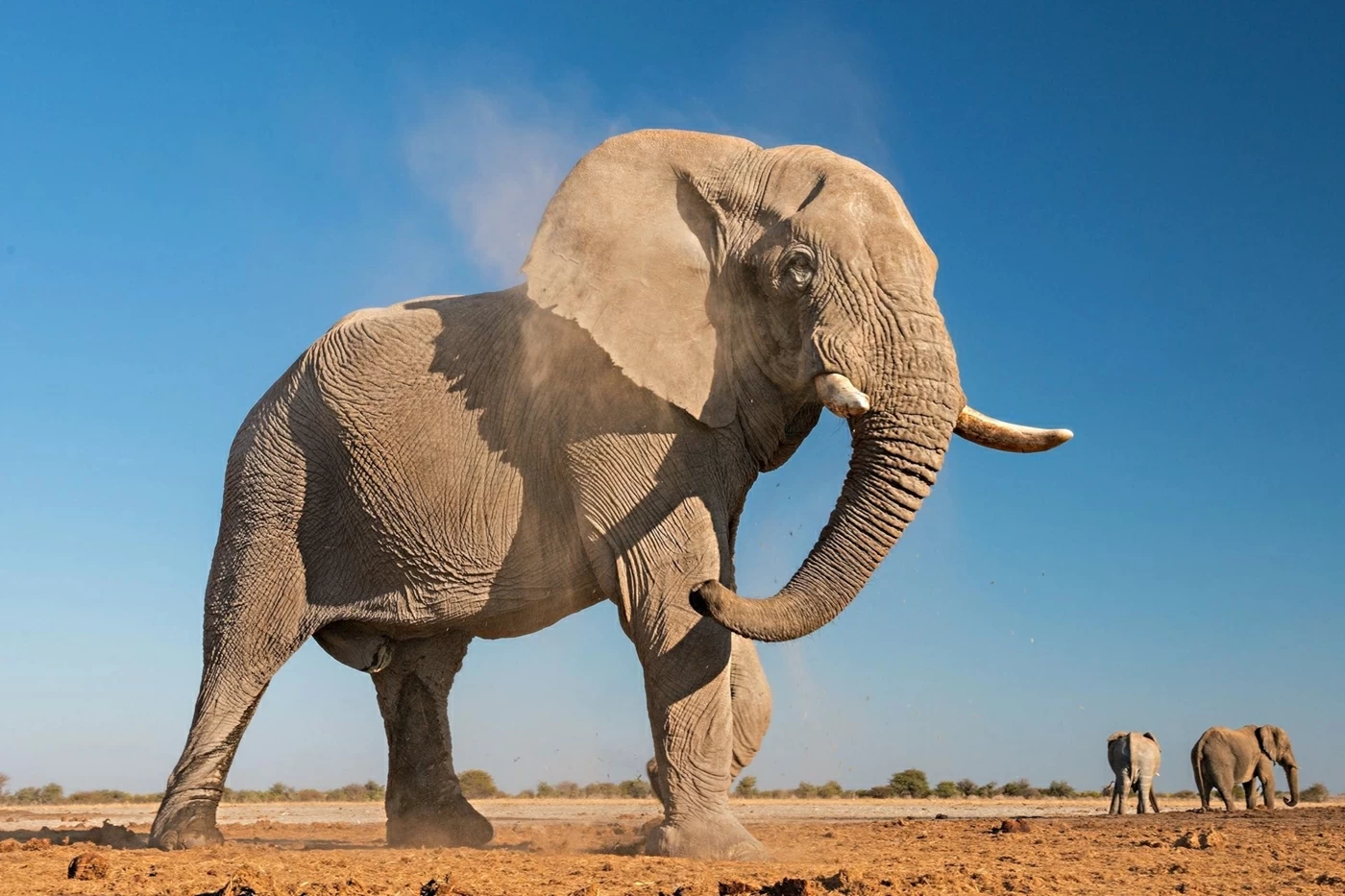
وكان الموقع خلال العصر الحجري القديم بيئة غنية بالحياة البرية، يضم أنواعاً كبيرة من الثدييات مثل الفيلة والأسود والزرافات والأفيال، ويُعد الفيل الأطلسي نوعاً عملاقاً منقرضاً عاش في شمال أفريقيا خلال العصر الجليدي، وتميز بأنياب طويلة وقوية.
ويأتي هذا الاكتشاف ضمن الحملة الحادية عشرة للحفريات الأثرية في الموقع، والتي أطلقت مؤخراً، وتهدف إلى استكشاف طبقات أعمق وكشف المزيد من الأدلة على تطور المناخ والحياة في المنطقة.
وتكمن أهمية الاكتشاف الجديد بأنه يوفر معلومات قيمة عن التنوع البيولوجي في شمال أفريقيا قبل أكثر من مليون سنة، ويساعد في فهم كيفية تعايش الإنسان القديم مع الحيوانات العملاقة، يعزز مكانة الجزائر على خريطة التراث ما قبل التاريخي العالمي.
A team of researchers and experts in archaeology in Algeria, led by Professor Mohamed Sahouni, has successfully discovered a giant elephant tusk belonging to the extinct species known as the "Atlas elephant," at the famous archaeological site "Man of Tighenif" in the municipality of Tighenif in the Wilaya of Mascara, western Algeria.
The research team described the new discovery as one of the most significant fossil finds in recent times, due to the exceptional state of preservation of the tusk.
The current length of the tusk is about 2.35 meters, and it is nearly complete structurally, making it one of the most complete samples discovered so far in North Africa.
Researchers estimate that the tusk dates back to a period ranging between one million and one million two hundred thousand years, specifically the Lower Paleolithic (Acheulean).
Professor Mohamed Sahouni confirmed that this piece will significantly contribute to understanding the natural and animal environment in which early humans lived in North Africa, especially at the Tighenif site, which is considered one of the most important prehistoric sites in the world.
The "Man of Tighenif" site, formerly known as Ternifine, is located about 20 kilometers east of the city of Mascara, where in 1954, skeletal remains of a human estimated to be around 700,000 years old were discovered, classified within the "Homo erectus" stage or what is known as the "Atlas Man."
During the Lower Paleolithic, the site was a rich environment full of wildlife, including large species of mammals such as elephants, lions, giraffes, and mammoths. The Atlas elephant is a giant extinct species that lived in North Africa during the Ice Age, characterized by its long and strong tusks.
This discovery is part of the eleventh campaign of archaeological excavations at the site, which was recently launched, aiming to explore deeper layers and uncover more evidence of climate and life evolution in the region.
The significance of the new discovery lies in its provision of valuable information about biodiversity in North Africa over one million years ago, helping to understand how ancient humans coexisted with giant animals, and enhancing Algeria's status on the map of global prehistoric heritage.