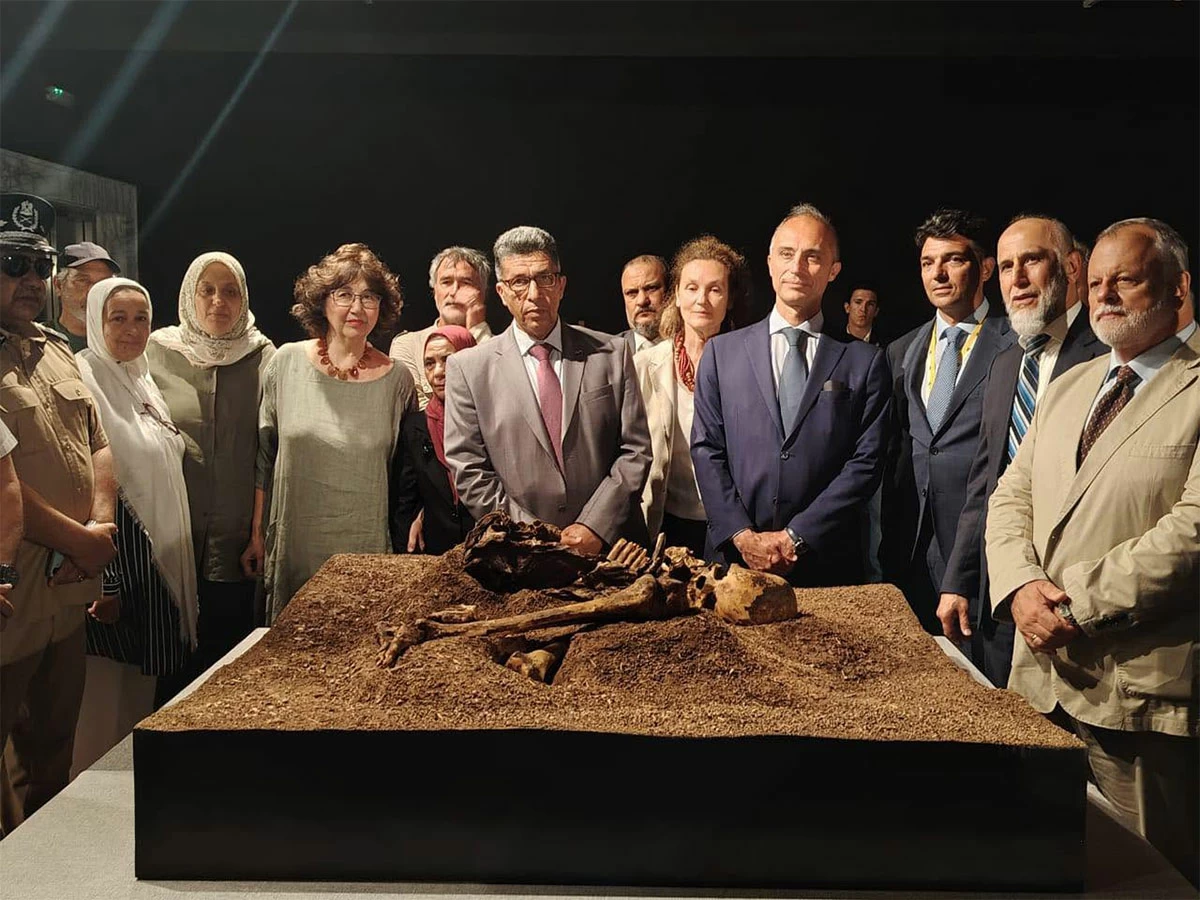
بعد غيابٍ دام لأكثر من عقدين من الزمن خلف البحار، تنفست العاصمة الليبية طرابلس عبق التاريخ مجدداً، وأعلن المتحف الوطني استعادة واحدة من أثمن لآلئ الصحراء الأفريقية الكبرى؛ المومياء الشهيرة باسم «تخرخوري»، التي تعود إلى العصر الحجري الحديث، لتستقر أخيراً في موطنها الأصلي بعد رحلة دراسة وترميم علمية طويلة في إيطاليا.
وتعود جذور القصة إلى 2003، وتحديداً في قلب جبال أكاكوس الأثرية بأقصى الجنوب الليبي، عندما نجحت بعثة مشتركة (ليبية - إيطالية) في فك شفرة هذا الكنز التاريخي، ونظراً لأهميتها البالغة وحاجتها إلى رعاية دقيقة ومتقدمة، نُقلت المومياء في 2004 إلى أروقة جامعة «لا سابينزا» العريقة في العاصمة الإيطالية روما لإجراء الفحوصات والترميم.
وقد كشفت المختبرات العلمية عن نتائج مذهلة، إذ أظهرت الدراسات أن الرفات يعود لامرأة في منتصف الثلاثينات من عمرها، عاشت قبل نحو سبعة آلاف عام، والمفاجأة الأكبر للعلماء كانت أن المومياء محفوظة بشكل طبيعي تماماً بفعل العوامل المناخية الفريدة للمنطقة دون أي تدخل بشري للتحنيط، ما يجعلها شاهداً حياً ونادراً على نمط الحياة في تلك الحقبة السحيقة.
وتأتي عودة «تخرخوري» لتسلط الضوء مجدداً على الثراء التاريخي الاستثنائي الذي تزخر به ليبيا، التي تمتلك خمسة مواقع أثرية فريدة مسجلة رسمياً على قائمة التراث العالمي لمنظمة «اليونسكو»؛ وهي موقع الفن الصخري في تادرارت أكاكوس، ومدينة غدامس القديمة، وموقع لبدة الكبرى، وموقع شحات الأثري، إضافة إلى الموقع الأثري في صبراته، لتشكل عودة هذه المومياء فصلاً جديداً من فصول الاحتفاء بالهوية والإرث الإنساني العريق على أرض الوطن.
After an absence of more than two decades across the seas, the Libyan capital, Tripoli, has once again breathed in the fragrance of history, and the National Museum announced the recovery of one of the most precious pearls of the Great African Desert; the famous mummy known as "Takhorkhory," which dates back to the Neolithic era, finally settling in its original homeland after a long scientific study and restoration journey in Italy.
The roots of this story date back to 2003, specifically in the heart of the archaeological Akakus Mountains in the far south of Libya, when a joint (Libyan-Italian) mission succeeded in deciphering this historical treasure. Due to its immense importance and the need for careful and advanced care, the mummy was transferred in 2004 to the halls of the prestigious "La Sapienza" University in the Italian capital, Rome, for examinations and restoration.
Scientific laboratories revealed astonishing results, as studies showed that the remains belong to a woman in her mid-thirties who lived about seven thousand years ago. The biggest surprise for scientists was that the mummy was preserved completely naturally due to the unique climatic factors of the region, without any human intervention for embalming, making it a rare and living witness to the way of life in that ancient era.
The return of "Takhorkhory" shines a light once again on the exceptional historical richness that Libya possesses, which has five unique archaeological sites officially registered on the UNESCO World Heritage List; these are the site of rock art in Tadrart Akakus, the ancient city of Ghadames, the site of Lepcis Magna, the archaeological site of Cyrene, in addition to the archaeological site in Sabratha, making the return of this mummy a new chapter in celebrating the identity and ancient human heritage on home soil.