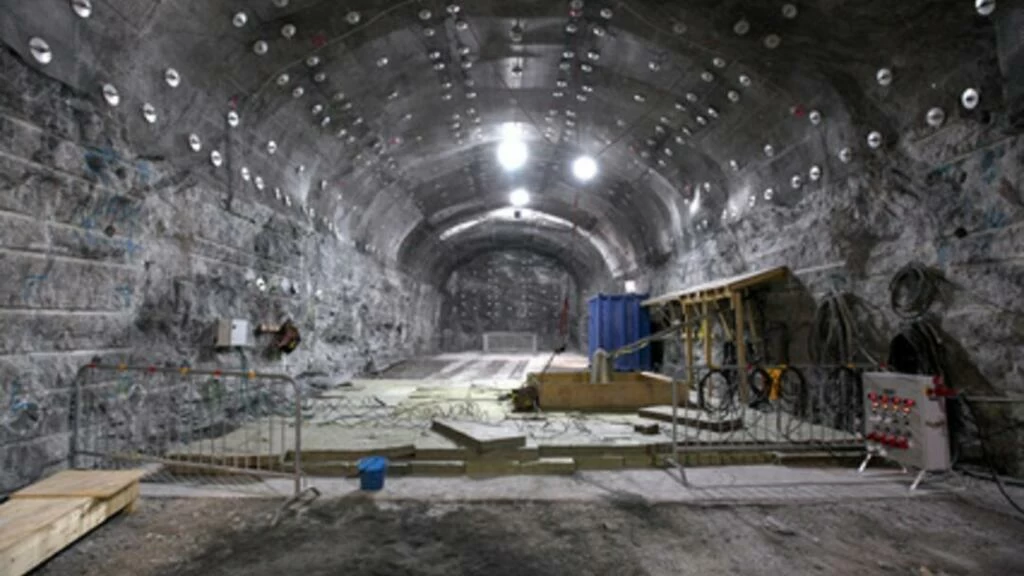
تقف فنلندا على أعتاب إنجاز تاريخي في قطاع الطاقة العالمي، مع استعدادها لافتتاح أول مستودع دائم من نوعه لتخزين النفايات النووية عالية الإشعاع، في خطوة تقدم أول حل جذري ومستدام لمعضلة تؤرق العالم منذ بدء العصر الذري. ويُتوقع أن يدخل المشروع حيز التشغيل الفعلي نهاية العام الجاري أو مطلع العام القادم، بمجرد صدور الضوء الأخضر والموافقة النهائية من هيئة الإشعاع والسلامة النووية الفنلندية.
رحلة إلى أعماق سحيقة
المشروع الذي يحمل اسم «أونكالو» – وهي كلمة تعني باللغة الفنلندية «الكهف» – تم تشييده على عمق سحيق يصل إلى 433 متراً تحت سطح الأرض، حيث اختار المهندسون بعناية فائقة منطقة «يورايوكي» جنوب غرب البلاد، بالقرب من محطة «أولكيلوتو» النووية. وتكمن عبقرية الموقع في طبيعته الجيولوجية؛ إذ يقبع الكهف داخل طبقات صخرية صلبة ومستقرة يعود عمرها إلى نحو 1.9 مليار سنة، ما يضمن بيئة طبيعية محصنة ضد التقلبات والزلازل.
ويهدف هذا التحدي الهندسي إلى توفير ملاذ نهائي آمن للوقود النووي المستهلك الناتج عن المفاعلات الفنلندية، الذي ظل لعدة عقود حبيساً في أحواض مائية مؤقتة داخل المحطات، بانتظار حل بعيد المدى.
قرن من العمل
المشروع الذي انطلقت شرارته الأولى عام 2004 وتديره شركة «بوسيفا» المتخصصة في إدارة النفايات النووية، بلغت تكلفته الاستثمارية نحو مليار يورو، وصُمم ليستوعب قرابة 6500 طن من الوقود عالي الخطورة.
وتعتمد آلية الدفن على نظام عزل متعدد الطبقات؛ حيث سيتم تغليف الوقود المستهلك أولاً داخل حاويات نحاسية ضخمة شديدة المقاومة للتآكل والصدأ، ثم إنزالها في حفر مخصصة داخل أنفاق الكهف، تليها عملية طمر كاملة بطين «البنتونيت» المصمم لامتصاص الرطوبة ومنع التسرب، قبل أن يتم ردم وإغلاق هذه الأنفاق نهائياً بسدادات خرسانية مسلحة شديدة المتانة.
ووفقاً للخطط التشغيلية، سيبقى المستودع مستقبلاً لاستقبال النفايات لمدة تقارب 100 عام – مع خيارات للتمديد إذا ما توسعت البلاد في الاعتماد على الطاقة الذرية – ليتم بعدها إغلاق الموقع وإحكام قفله إلى الأبد، ليبقى معزولاً عن البشرية والبيئة لمئات الآلاف من السنين.
بين الثقة والمخاوف
وفي الوقت الذي تؤكد السلطات والخبراء في فنلندا أن التصميم روعيت فيه أعلى معايير السلامة لضمان بقاء النفايات معزولة طوال فترة نشاطها الإشعاعي الحاد التي تستمر لآلاف السنين قبل أن تخمد تدريجياً، لا يخلو المشروع من قلق بيئي مستقبلي.
إذ تحذر بعض المنظمات والجهات البيئية من مخاطر بعيدة المدى، مستندة إلى حجة فلسفية وعلمية مفادها أنه «لا يمكن لأي جيل بشري أن يضمن بشكل مطلق سلوك الطبيعة أو كفاءة المواد الهندسية على مدى زمني يمتد لمئات الآلاف من السنين»، ما يجعل المشروع نموذجاً حياً للصراع بين كفاءة الحلول التكنولوجية الحالية ومسؤولية الحفاظ على سلامة أجيال المستقبل البعيد.
Finland stands on the brink of a historic achievement in the global energy sector, as it prepares to inaugurate the first permanent repository of its kind for storing high-level radioactive waste, in a move that offers the first radical and sustainable solution to a dilemma that has troubled the world since the dawn of the atomic age. The project is expected to become operational by the end of this year or early next year, once the green light and final approval are granted by the Finnish Radiation and Nuclear Safety Authority.
A Journey to Deep Depths
The project, named "Onkalo" – a Finnish word meaning "cave" – has been constructed at a profound depth of 433 meters below the earth's surface, where engineers have meticulously chosen the "Eurajoki" area in the southwest of the country, near the "Olkiluoto" nuclear power plant. The genius of the site lies in its geological nature; the cave is situated within solid and stable rock layers that are approximately 1.9 billion years old, ensuring a natural environment fortified against fluctuations and earthquakes.
This engineering challenge aims to provide a safe final refuge for the spent nuclear fuel produced by Finnish reactors, which has been confined for decades in temporary water pools within the plants, awaiting a long-term solution.
A Century of Work
The project, which began in 2004 and is managed by the waste management company "Posiva," has an investment cost of about one billion euros and is designed to accommodate approximately 6,500 tons of high-risk fuel.
The burial mechanism relies on a multi-layered isolation system; the spent fuel will first be encapsulated in massive copper containers that are highly resistant to corrosion and rust, then lowered into designated pits within the cave tunnels, followed by a complete covering with "bentonite" clay designed to absorb moisture and prevent leakage, before these tunnels are finally sealed and closed off with robust reinforced concrete plugs.
According to operational plans, the repository will remain open for waste reception for nearly 100 years – with options for extension if the country expands its reliance on nuclear energy – after which the site will be closed and sealed forever, remaining isolated from humanity and the environment for hundreds of thousands of years.
Between Trust and Concerns
While authorities and experts in Finland assert that the design adheres to the highest safety standards to ensure that the waste remains isolated throughout its acute radioactive activity, which lasts for thousands of years before gradually diminishing, the project is not without future environmental concerns.
Some organizations and environmental entities warn of long-term risks, based on a philosophical and scientific argument that "no human generation can absolutely guarantee the behavior of nature or the efficiency of engineering materials over a time span extending for hundreds of thousands of years," making the project a living model of the conflict between the efficiency of current technological solutions and the responsibility of safeguarding the well-being of future generations.