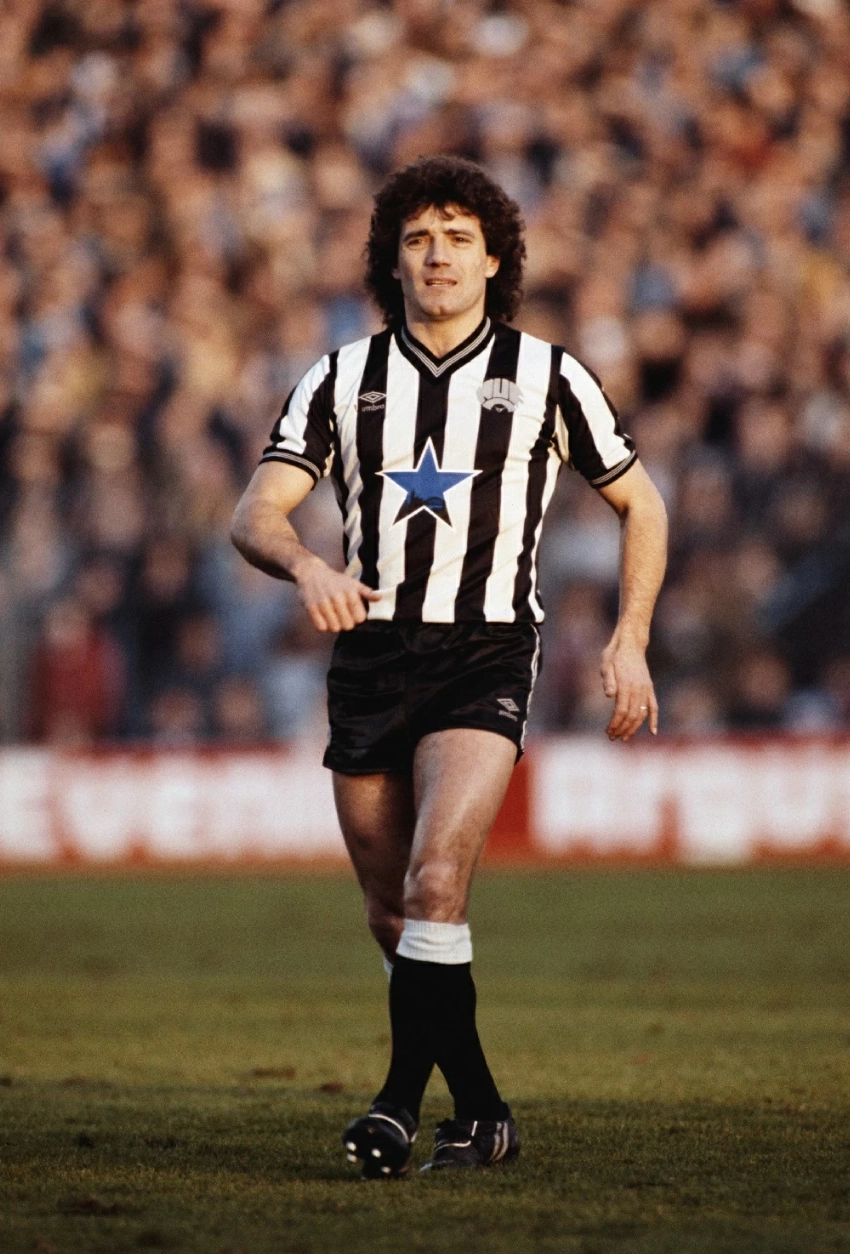
في مساءٍ بارد من أمسيات الشمال الإنجليزي، حين كانت المدرجات تشتعل بأصوات الجماهير كأنها بحرٌ هائج، ظهر شاب نحيل الجسد، متقِّد الروح، يحمل في عينيه بريقًا يشبه وعدًا قديمًا. ولد نجمٌ من ضوءٍ وعناد، لم يكن أحد يتوقع أن ذلك الشاب القصير الذي يركض كأنه يطارد حلمًا سيصبح يومًا حديث الصحافة العالمية.
ذلك الشاب كان جوزيف كيفن كيغن، اللاعب الذي سيحوٍّل لاحقًا صخب الملاعب إلى رواية لا تُنسى، فلاشات الصحافة العالمية تتسابق لالتقاط ظلاله قبل خطواته.
لم يكن لاعبًا عاديًا؛ كان مشروع أسطورة تتشكَّل ببُطء، كما تُرسم القصائد في نبض شاعرٍ يعرف أن الجمال لا يُمنح إلا لمن يُحسن الانتظار. كان يشبه ذلك النوع من اللاعبين الذين لا يصنعون حضورهم بالمهارة وحدها، بل بالضوء الذي يخرج من أعماقهم؛ الضوء الذي يلمسه الجمهور قبل أن يلمس الكرة. ومع كل خطوةٍ كان يخطوها، كانت ملامح حكايته تتضح أكثر، تكتب له فصلًا جديدًا في كل مباراة.
رجالٌ يوقظون المدن
في التاريخ الكروي، هناك لحظات لا تُقاس بالأهداف ولا بالألقاب، بل بما تُحدثه في روح المدن. حين وصل مارادونا إلى نابولي، لم يكن مجرد لاعبٍ يبحث عن مجدٍ جديد، بل كان شرارةً أيقظت مدينةً كاملة من نومٍ طويل، أعاد لكرة القدم فيها نبضها الأول، وصنع مع الفريق مجدًا لا يزال يتردّد في الأزقة حتى اليوم. كانت نابولي مدينةً تنتظر معجزة، فجاءها رجلٌ يحملها في قدميه، ويعيد ترتيب أحلامها كما يعيد البحر ترتيب موجِه كل صباح. وعلى الضفة الأخرى من أوروبا، وبعد سنوات قليلة، كان كيفن كيغن يصنع حكايةً لا تقلُّ توهجًا، وإن اختلفت ملامحها. لم يهبط على نيوكاسل كمعجزة، جاء كقلبٍ يعرف كيف يعيد الحياة إلى مدينةٍ فقدت صوتها. كانت نيوكاسل يومها مدينةً تبحث عن نبض، تبحث عن رجلٍ يعيد إليها ما فقدته من شغف، وما تلاشى من ضوء. وكما أعاد مارادونا ترتيب خريطة الجنوب الإيطالي، أعاد كيغن ترتيب خريطة الشمال الإنجليزي، لا بالمهارة وحدها، بل بالشغف الذي يشبه ضوءًا ينهض من بين الضباب، ويُعيد للمدينة صوتها الذي غاب. وهكذا، تتجاور الحكايتان دون أن تتشابها، وتلتقيان دون أن تتطابقا؛ فمارادونا منح نابولي فجرًا جديدًا بعد طول انتظار، وكيغن منح نيوكاسل قلبًا يعرف كيف ينهض بها من الأرض. كلاهما صنع مجدًا؛ كل مجدٍ كان يحمل ملامح صاحبه، وكل مدينةٍ كانت تعيد اكتشاف نفسها عبر رجلٍ جاءها في اللحظة التي كانت تحتاجه فيها أكثر من أي وقت.
رحلة تتوهّج دائمًا
كتبت (رويترز) في إحدى مراجعاتها التاريخية أن كيغن «لم يكن مجرد لاعب موهوب، بل كان روحًا متحركة»؛ روحًا بدأت من الدرجة الرابعة، من ملاعب صغيرة تلتهمها الرياح، ومن أبٍ (عامل منجم) كان يؤمن أن ابنه سيصنع شيئًا فريدًا. تلك التفاصيل التي بدت هامشية في بداياته، تحولت لاحقًا إلى جزء من سرديته الكبرى؛ سردية اللاعب الذي صنع نفسه بنفسه، والذي حمل الأوزان في المدرجات ليقوّي جسده، وركض في المطر ليقوي إرادته.
قلبٌ يعزف كرة
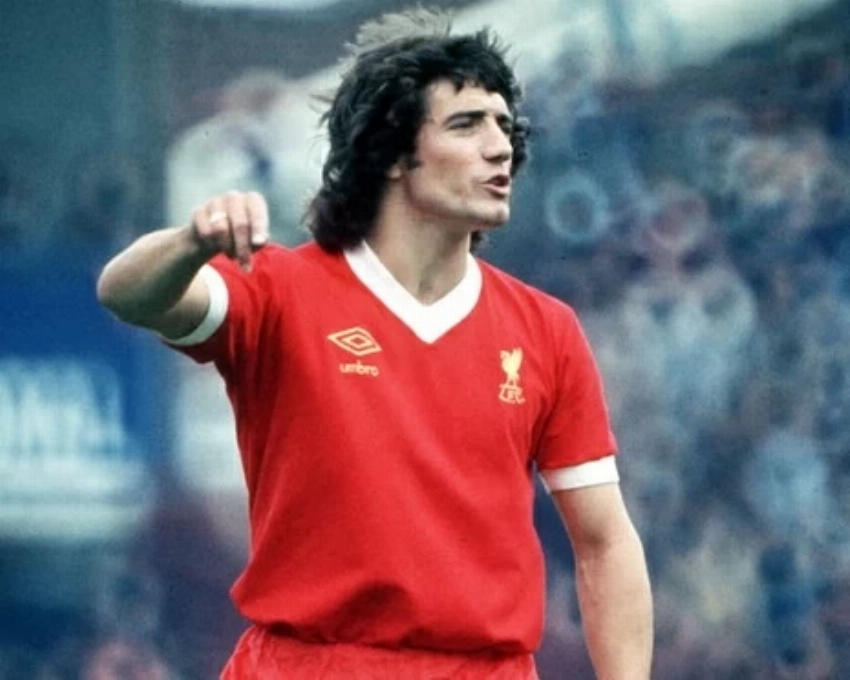
في ليفربول، حيث تُصنع الأساطير كما تُصنع الأغاني الخالدة، وجد كيغن نفسه في المكان الذي يشبهه. الصحافة الإنجليزية كتبت عنه يومها: «هذا الفتى لا يلعب الكرة.. هذا الفتى يعزفها». ومع كل هدف كان يسجله، كانت الجماهير ترفع صوتها أكثر، وكانت الصحف تكتب عنه بوصفه «اللاعب الذي يملك قلبًا أكبر من جسده». ثم جاء المجد الأوروبي، وجاءت الكرة الذهبية مرتين، وجاءت الصحافة العالمية لتعلن أن كيغن أصبح أول لاعب إنجليزي يعتلي قمة أوروبا مرتين متتاليتين.
خريطةٌ تعيد نفسها
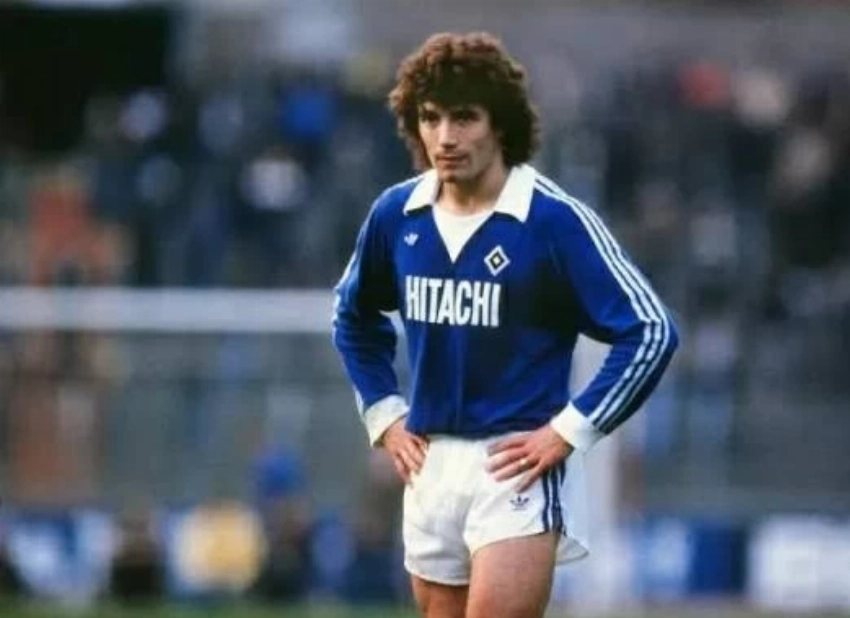
عندما انتقل إلى هامبورغ، بدا الأمر كأن أوروبا كلها تعيد ترتيب خريطتها الكروية. كتبت الصحافة الألمانية عنه: «الفأر الخارق الذي لا يتعب»، وكتبت (AFP) أن انتقاله كان «حدثًا غير مسبوق في سوق الانتقالات»، وأنه ضاعف الرقم القياسي الألماني في تلك الحقبة. وفي كل مباراة، كان كيغن يضيف فصلًا جديدًا إلى روايته، فصلًا يكتبه بقدميه ويحرّره بقلبه، حتى أصبح معبود الجماهير في مدينة لم تكن تعرفه قبل أشهر قليلة.
صرخةٌ تعيد الحياة
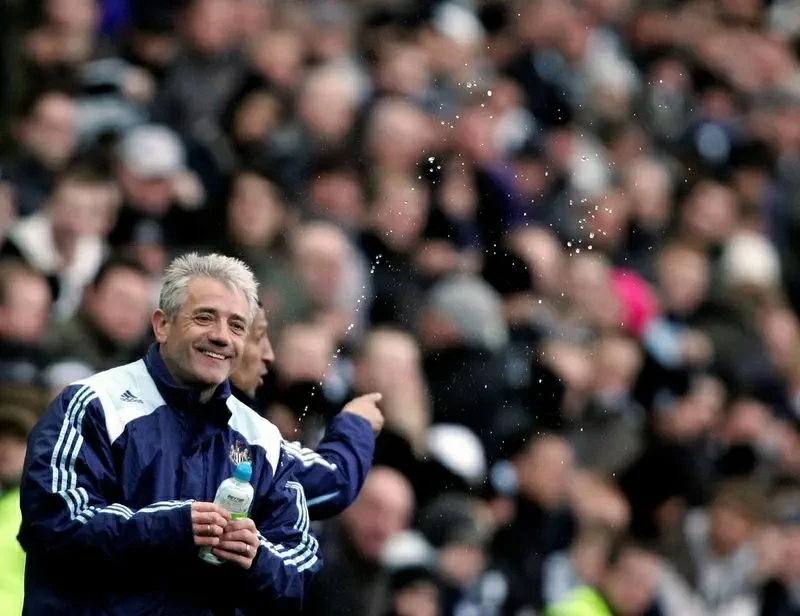
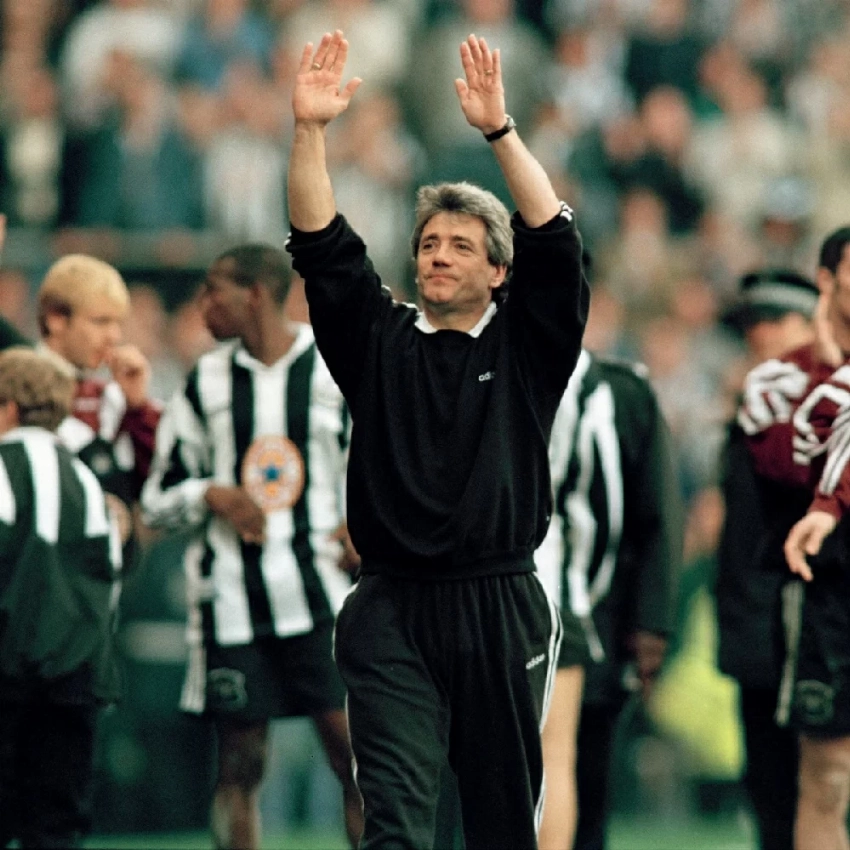
دخل إلى نيوكاسل؛ لم يكن كيغن يدخل ناديًا يبحث عن ترتيبٍ أفضل في الدوري، بل كان يدخل مدينةً تبحث عن نبضٍ يعيد إليها الحياة. كانت المدرجات يومها خامدة، والجماهير منهكة منذ سنوات طويلة بلا ضوء، لكن وصوله كان يشبه وصول المطر إلى أرضٍ عطشى. كتبت الصحافة الإنجليزية في تلك الفترة أن «كيغن لم يأتِ ليُدرّب.. بل جاء ليُوقظ». وبينما كانت أوروبا تتحدث عن انتقالاته كلاعب، كانت إنجلترا تتحدث الآن عن حضوره كقائدٍ روحي. أعاد نيوكاسل إلى الدوري الممتاز، وأعاد للجماهير صوتها، وأعاد للمدينة ثقتها بنفسها. كتبت (رويترز): «كيغن لم يغيّر نتائج نيوكاسل فقط.. لقد غيّر مزاج المدينة». وفي موسم 1995–1996، حين كان نيوكاسل يطارد لقب الدوري بشغفٍ يشبه الجنون، ظهرت تلك اللحظة التي أصبحت جزءًا من ذاكرة الإعلام الرياضي: صرخته الشهيرة في مواجهة مانشستر يونايتد؛ لم تكن صرخة غضب، بل كانت صرخة رجلٍ يحب ناديه أكثر مما يحب صمته. قالت (الجارديان): «في تلك الصرخة، وُلدت أول أيقونة تلفزيونية في تاريخ الدوري الإنجليزي الحديث».
فصلٌ لا يكتمل
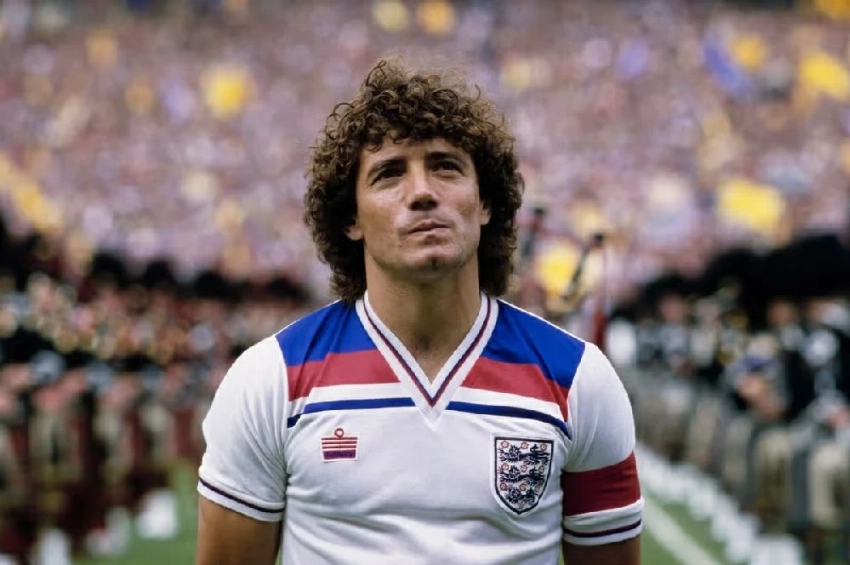
جاءت النهاية الدرامية، أن تكون حياة كيغن سلسلة من المشاهد التي تُكتب بالنبض لا بالعقل. رحل عن نيوكاسل، لكن المدينة لم ترحل عنه. بقي في ذاكرة جماهيرها كما يبقى الضوء في آخر النهار، لا يغيب تمامًا، ولا يحضر تمامًا، لكنه يظل هناك.. في مكانٍ لا يراه إلا من يحب. وعندما تولّى تدريب منتخب إنجلترا، بدا الأمر كأن القدر يمنحه فرصة ليكتب الفصل الأخير من ملحمته، لكن النهاية جاءت على نحوٍ درامي، كما لو كانت مشهدًا من فيلمٍ لا يريد أن ينتهي بسعادة كاملة. استقال كيغن بعد الخسارة أمام ألمانيا، في غرفة صغيرة داخل استاد ويمبلي القديم، لحظة وصفتها (رويترز) بأنها «أحد أكثر المشاهد صدقًا في تاريخ كرة القدم الإنجليزية».
ذاكرةٌ لا ترحل
وحين رحل كيغن عن الدنيا، كتبت الصحافة العالمية كلمات تشبه المرثية، لكنها كانت مرثية لرجلٍ عاش حياته كما يعيش العاشق قصته الأولى. قالت (AP News): «لم يكن مجرد لاعب، كان ظاهرة ثقافية». وقالت (الجارديان): «لا يمكن اختزال إرثه في لحظة انفعال، بل في حياة كاملة عاشها كما يعيش العاشق قصته الأولى». أما الجماهير، فقد ودّعته كما تُودّع المدنُ رجالها الكبار: بصمتٍ طويل، وبدمعة لا تخجل من الظهور. .. وهكذا، بقي كيفن كيغن في ذاكرة الصحافة العالمية كما لو كان شخصية من رواية لا تنتهي. لاعبًا صنع المجد، ومدربًا صنع الجدل، وإنسانًا صنع الحب. بقي صوته، بقيت خطواته، وبقيت تلك الشرارة التي جعلت الجماهير تصدّق أن كرة القدم ليست مجرد لعبة، بل قصة تُروى.. وقصة كيغن كانت الأجمل.
On a cold evening in the English North, when the stands were ablaze with the sounds of the crowd like a raging sea, a slender young man appeared, his spirit bright, carrying in his eyes a sparkle resembling an ancient promise. A star was born from light and stubbornness; no one expected that the short young man running as if chasing a dream would one day become the talk of the global press.
This young man was Joseph Kevin Keegan, the player who would later transform the noise of the stadiums into an unforgettable narrative, with flashes from the global press racing to capture his shadows before his steps.
He was not an ordinary player; he was the making of a legend slowly taking shape, like poems drawn in the pulse of a poet who knows that beauty is only granted to those who know how to wait. He resembled that type of player who does not create his presence solely through skill, but through the light that emanates from deep within; the light that the audience feels before he touches the ball. With every step he took, the features of his story became clearer, writing him a new chapter in every match.
Men Who Awaken Cities
In football history, there are moments that are not measured by goals or titles, but by what they evoke in the spirit of cities. When Maradona arrived in Naples, he was not just a player seeking new glory; he was a spark that awakened an entire city from a long slumber, restoring football's heartbeat there and creating a legacy that still resonates in the alleys today. Naples was a city waiting for a miracle, and a man came to it carrying that miracle in his feet, rearranging its dreams like the sea rearranges its waves every morning. On the other side of Europe, a few years later, Kevin Keegan was crafting a story no less radiant, even if its features differed. He did not descend upon Newcastle as a miracle; he came as a heart that knew how to revive a city that had lost its voice. At that time, Newcastle was a city searching for a pulse, looking for a man to restore the passion it had lost and the light that had faded. Just as Maradona rearranged the map of southern Italy, Keegan rearranged the map of northern England, not just with skill, but with a passion that resembled a light rising from the fog, restoring the city its lost voice. Thus, the two stories coexist without resembling each other, meeting without matching; for Maradona granted Naples a new dawn after a long wait, and Keegan gave Newcastle a heart that knew how to lift it from the ground. Both created glory; each glory bore the features of its owner, and each city rediscovered itself through a man who came to it at the moment it needed him most.
A Journey That Always Shines
Reuters wrote in one of its historical reviews that Keegan "was not just a talented player; he was a moving spirit"; a spirit that began from the fourth division, from small pitches devoured by the winds, and from a father (a miner) who believed that his son would create something unique. Those details that seemed marginal in his beginnings later transformed into part of his grand narrative; the narrative of a player who made himself, who carried weights in the stands to strengthen his body, and ran in the rain to strengthen his will.
A Heart That Plays Football
In Liverpool, where legends are made just as timeless songs are made, Keegan found himself in a place that resembled him. The English press wrote about him at that time: "This boy does not play football... this boy plays it." With every goal he scored, the crowd raised its voice higher, and the newspapers wrote about him as "the player with a heart bigger than his body." Then came European glory, and the Ballon d'Or twice, and the global press announced that Keegan had become the first English player to reach the pinnacle of Europe twice in a row.
A Map That Repeats Itself
When he moved to Hamburg, it seemed as if all of Europe was rearranging its football map. The German press wrote about him: "The super mouse that never tires," and AFP reported that his transfer was "an unprecedented event in the transfer market," and that he doubled the German record during that era. In every match, Keegan added a new chapter to his narrative, a chapter written with his feet and liberated by his heart, until he became the idol of the fans in a city that had not known him just a few months earlier.
A Cry That Revives Life
He entered Newcastle; Keegan was not entering a club looking for a better ranking in the league, but entering a city searching for a pulse to bring it back to life. The stands were dormant that day, and the fans had been exhausted for many years without light, but his arrival was like rain arriving on thirsty land. The English press wrote during that period that "Keegan did not come to coach... but came to awaken." While Europe was talking about his transfers as a player, England was now talking about his presence as a spiritual leader. He returned Newcastle to the Premier League, restored the fans' voice, and brought back the city's confidence. Reuters wrote: "Keegan did not just change Newcastle's results... he changed the mood of the city." In the 1995–1996 season, when Newcastle was chasing the league title with a passion resembling madness, that moment appeared which became part of sports media memory: his famous shout against Manchester United; it was not a shout of anger, but a shout of a man who loves his club more than he loves his silence. The Guardian said: "In that shout, the first television icon in the history of modern English football was born."
A Chapter That Remains Incomplete
The dramatic ending came, as Keegan's life became a series of scenes written with pulse rather than reason. He left Newcastle, but the city did not leave him. He remained in the memory of its fans like light at the end of the day, neither completely absent nor fully present, but still there... in a place only those who love can see. And when he took over the England national team, it seemed as if fate was granting him a chance to write the final chapter of his epic, but the ending came dramatically, as if it were a scene from a film that does not want to end happily. Keegan resigned after the loss to Germany, in a small room inside the old Wembley Stadium, a moment described by Reuters as "one of the most sincere scenes in the history of English football."
A Memory That Does Not Depart
And when Keegan passed away, the global press wrote words resembling an elegy, but it was an elegy for a man who lived his life as a lover lives his first story. AP News said: "He was not just a player; he was a cultural phenomenon." The Guardian stated: "His legacy cannot be reduced to a moment of excitement, but to a full life he lived as a lover lives his first story." As for the fans, they bid him farewell as cities bid farewell to their great men: with a long silence and a tear unashamed to appear. .. And thus, Kevin Keegan remained in the memory of the global press as if he were a character from an endless novel. A player who created glory, a coach who created controversy, and a human who created love. His voice remained, his steps remained, and that spark that made the fans believe that football is not just a game, but a story told... and Keegan's story was the most beautiful.