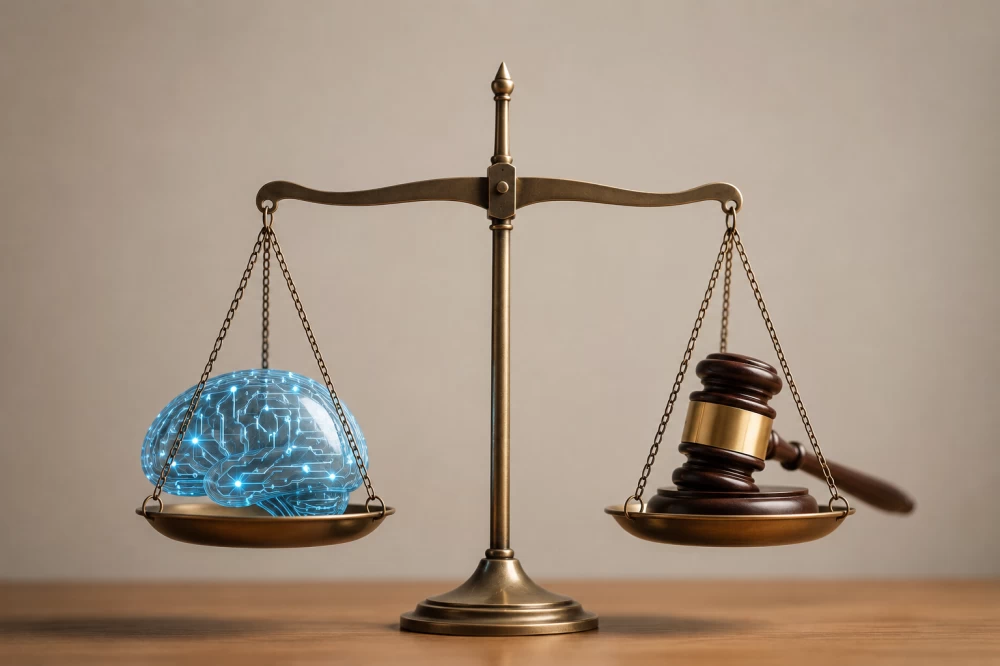
يتصاعد الجدل عالميًا حول كيفية تنظيم تقنيات الذكاء الاصطناعي، في وقت تتسارع فيه وتيرة تطويرها وانتشارها. وزاد هذا الجدل بعد إلغاء البيت الأبيض، الخميس الماضي، أمرًا تنفيذيًا كان يهدف إلى وضع معايير موحدة لاختبارات السلامة المسبقة للنماذج المتقدمة قبل طرحها تجاريًا، في خطوة اعتبرها مراقبون دعمًا لنهج يفضل تسريع الابتكار وتقليل القيود التنظيمية.
وترى كارين كورنبلوم، المديرة السابقة للمكتب الوطني للذكاء الاصطناعي في إدارة جو بايدن، في تقرير رأي نشرته صحيفة فاينانشال تايمز، أن القرار يعكس تراجع مبدأ «الثقة مع التحقق»، القائم على منح الثقة مع استمرار الرقابة والتدقيق، لصالح توجه يمنح الأولوية للسرعة التقنية.
معضلة المساءلة القانونية
وبحسب كورنبلوم، يعمل الذكاء الاصطناعي حاليًا في بيئة تفتقر إلى المساءلة الكافية، رغم تمدده في قطاعات حيوية مثل الرعاية الصحية والخدمات العامة. كما تبرز تحديات قانونية متزايدة تتعلق بمسؤولية أنظمة الذكاء الاصطناعي وحدود خضوعها للقوانين التقليدية، في ظل دعاوى قضائية مرفوعة ضد شركات تقنية كبرى، من بينها OpenAI.
وتحذر من أن غياب قواعد موحدة قد يدفع الشركات إلى تخفيف معايير السلامة للحفاظ على قدرتها التنافسية، مشيرة إلى أن شركة Anthropic خففت بالفعل بعض إجراءات السلامة قبل الإطلاق خلال فبراير الماضي، وسط مخاوف من تحول المنافسة إلى «سباق نحو القاع».
زخم تنظيمي يتراجع
وكانت جهود تنظيم الذكاء الاصطناعي قد اكتسبت زخمًا بعد إطلاق ChatGPT أواخر 2022، عبر إجراءات أمريكية ودولية شملت أمرًا تنفيذيًا وقعه بايدن، وتعاونًا دوليًا خلال قمة بلتشلي بارك، إضافة إلى إقرار الاتحاد الأوروبي قانونًا شاملًا للذكاء الاصطناعي في مايو 2024. إلا أن هذا الزخم تراجع مع عودة دونالد ترمب إلى السلطة وتركيز إدارته على تعزيز التفوق الأمريكي في مواجهة الصين.
كما تواجه محاولات التنظيم على مستوى الولايات الأمريكية ضغوطًا قوية من شركات التكنولوجيا والمستثمرين، في وقت تظهر فيه استطلاعات الرأي تنامي القلق الشعبي من الذكاء الاصطناعي غير المنظم.
دعوات لضبط المسار
وفي هذا السياق، دعا البابا ليو الرابع عشر الحكومات إلى الاضطلاع بدور رئيسي في وضع أطر تنظيمية تكفل العدالة وتحد من اختلال موازين القوة التكنولوجية.
ويخلص التقرير إلى أن العالم يواجه تحديًا يتمثل في إيجاد توازن بين دعم الابتكار وضمان المساءلة، بما يحافظ على دور الذكاء الاصطناعي كأداة لخدمة المجتمع دون أن يتحول إلى مساحة خارج نطاق الرقابة والحوكمة.
The global debate on how to regulate artificial intelligence technologies is intensifying as their development and spread accelerate. This debate intensified after the White House last Thursday rescinded an executive order aimed at establishing uniform standards for pre-market safety testing of advanced models, a move that observers considered a support for an approach favoring the acceleration of innovation and reducing regulatory constraints.
Karen Kornbluh, the former director of the National AI Office in the Biden administration, believes in an opinion piece published by the Financial Times that the decision reflects a retreat from the principle of "trust with verification," which is based on granting trust while maintaining oversight and scrutiny, in favor of a trend that prioritizes technical speed.
The Legal Accountability Dilemma
According to Kornbluh, artificial intelligence currently operates in an environment lacking sufficient accountability, despite its expansion in vital sectors such as healthcare and public services. Increasing legal challenges related to the responsibility of AI systems and the limits of their compliance with traditional laws are emerging, amid lawsuits filed against major tech companies, including OpenAI.
She warns that the absence of uniform rules may push companies to lower safety standards to maintain their competitiveness, noting that Anthropic has already relaxed some safety measures prior to its launch in February, amid concerns that competition could turn into a "race to the bottom."
Declining Regulatory Momentum
Efforts to regulate AI had gained momentum after the launch of ChatGPT in late 2022, through U.S. and international measures that included an executive order signed by Biden, international cooperation during the Bletchley Park summit, and the European Union's passage of a comprehensive AI law in May 2024. However, this momentum has waned with Donald Trump's return to power and his administration's focus on enhancing American superiority in the face of China.
Attempts to regulate at the state level in the U.S. are also facing strong pressures from tech companies and investors, while public opinion polls show growing concerns about unregulated AI.
Calls for Course Correction
In this context, Pope Leo XIV urged governments to play a key role in establishing regulatory frameworks that ensure fairness and mitigate imbalances in technological power.
The report concludes that the world faces the challenge of finding a balance between supporting innovation and ensuring accountability, preserving the role of AI as a tool for serving society without turning it into a space beyond oversight and governance.