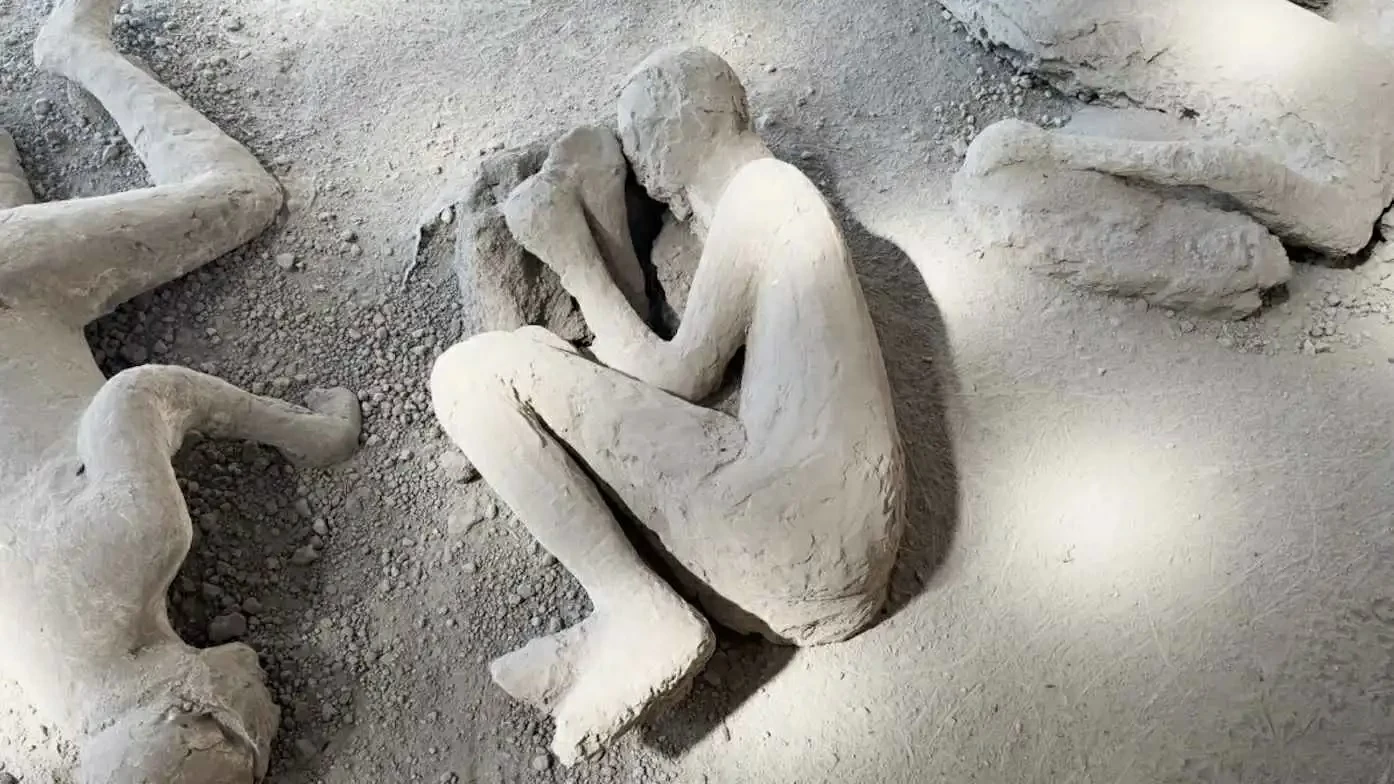
بعد مرور أكثر من 60 عاماً على العثور عليه، عاد أحد ضحايا بركان «فيزوف» الشهير ليتصدر المشهد من جديد، حاملًا معه تفاصيل مثيرة كشف عنها علماء الآثار أخيراً حول الكارثة التي هزت مدينة بومبي الإيطالية عام 79 ميلادية.
وتعود القصة إلى عام 1961، عندما عثر المنقبون في موقع «حديقة الهاربين» على بقايا 14 شخصاً باغتهم الموت أثناء محاولتهم الفرار من جحيم الرماد والحمم البركانية. تلك اللحظات المرعبة خُلّدت وقتها في قوالب جصية شهيرة، جسدت بدقة مأساة الضحايا المعلقين بين الحياة والموت.
مفاجأة تحت الرماد
لكن التقنيات الطبية الحديثة، وتحديداً الفحوصات بالأشعة السينية والتصوير المقطعي، نجحت في اختراق تلك القوالب لتعيد كتابة قصة أحد هؤلاء الراحلين. فقد تبين أن الرجل لم يكن يركض خالي الوفاض؛ بل كان يتشبث بحقيبة قماشية تحوي عملات فضية وبرونزية، وبجواره صندوق صغير يضم لوحة حجرية مصقولة ومجموعة من الأدوات المعدنية.
تحليل الأثر
يرجح الباحثون أن اللوحة الحجرية كانت تُستخدم لتركيب العقاقير الطبية أو المستحضرات، بينما تمثل القطع المعدنية عُدّة جراحية متكاملة. هذا المعطى الجديد دفع الخبراء إلى استنتاج شبه مؤكد؛ الرجل كان طبيب المدينة، وقد آثر ألّا يغادر بيته المشتعل دون أدوات مهنته، قبل أن يدركه الموت سريعاً.
كبسولة زمنية حية
يُضفي هذا الاكتشاف بعداً إنسانياً عميقاً على مأساة سكان بومبي، المدينة التي جمدها الغبار البركاني في لحظة خاطفة من الزمن، ليحفظ تفاصيل أيامهم الأخيرة لقرابة ألفي عام.
More than 60 years after its discovery, one of the victims of the famous Vesuvius volcano has returned to the spotlight, bringing with him intriguing details recently revealed by archaeologists about the disaster that shook the Italian city of Pompeii in 79 AD.
The story dates back to 1961, when excavators at the site of the "Garden of the Fugitives" found the remains of 14 people who were caught off guard by death while trying to escape the hell of ash and volcanic lava. Those terrifying moments were immortalized at the time in famous plaster casts, which accurately depicted the tragedy of the victims suspended between life and death.
A Surprise Beneath the Ash
However, modern medical techniques, specifically X-ray examinations and CT imaging, succeeded in penetrating those casts to rewrite the story of one of these departed souls. It turned out that the man was not running empty-handed; rather, he was clutching a fabric bag containing silver and bronze coins, with a small box beside him that held a polished stone tablet and a set of metal tools.
Analysis of the Artifact
Researchers believe that the stone tablet was used for compounding medical drugs or preparations, while the metal pieces represent a complete surgical kit. This new finding led experts to a nearly certain conclusion: the man was the city's doctor, who chose not to leave his burning home without his professional tools before death quickly overtook him.
A Living Time Capsule
This discovery adds a profound human dimension to the tragedy of the people of Pompeii, a city frozen in time by volcanic dust in a fleeting moment, preserving the details of their final days for nearly two thousand years.