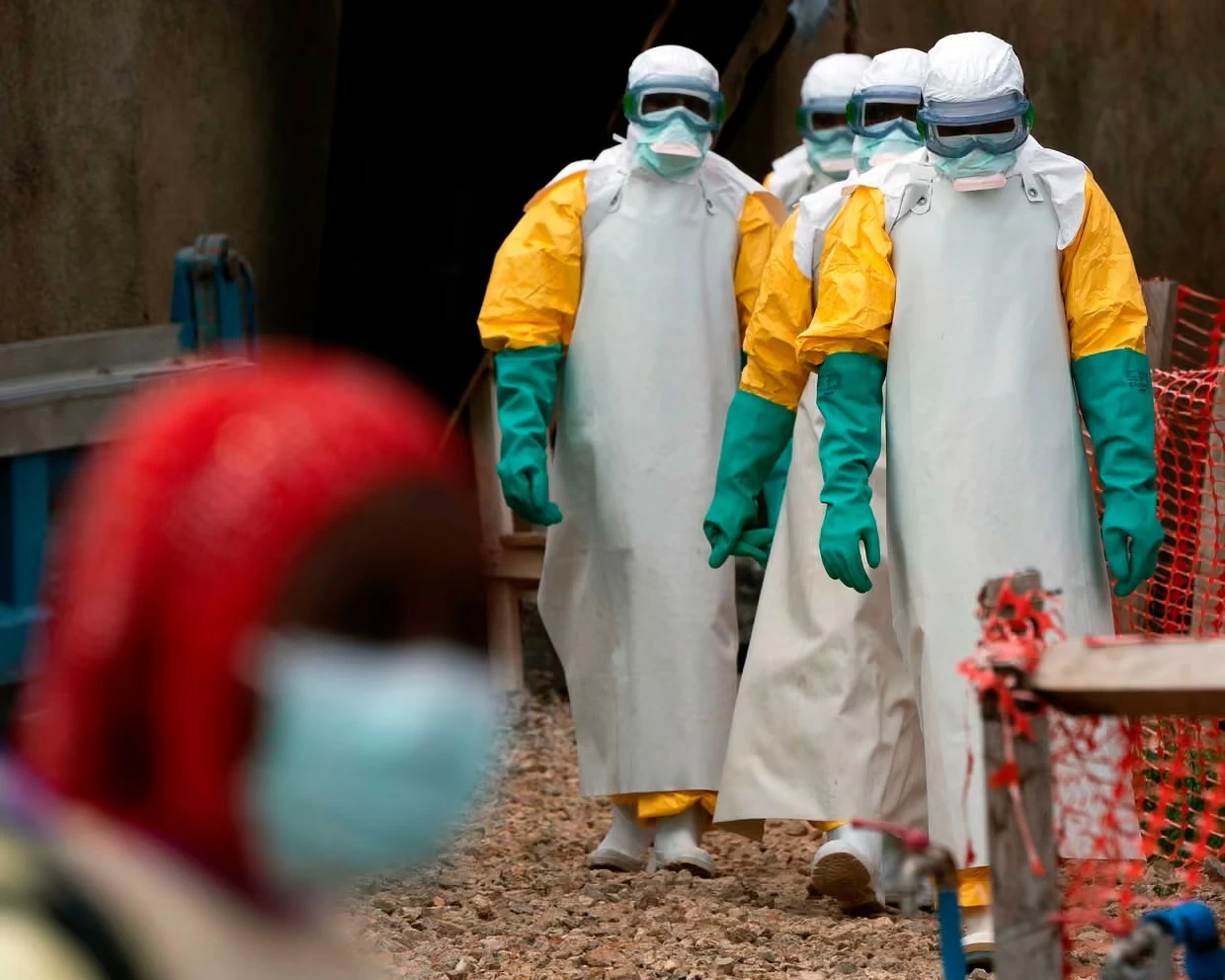
أعلنت السلطات الصحية الأفريقية وفاة 65 شخصًا جراء تفشي جديد لفايروس الإيبولا في جمهورية الكونغو الديمقراطية، في وقت يثير فيه انتشار المرض مخاوف متزايدة من انتقاله إلى الدول المجاورة.
وسجلت مقاطعة إيتوري، الواقعة شرق البلاد على الحدود مع أوغندا وجنوب السودان، نحو 246 حالة مشتبهًا بإصابتها بالمرض حتى الآن، وفقًا لما أفادت به المراكز الأفريقية لمكافحة الأمراض والوقاية منها (Africa CDC).
وأكدت السلطات الصحية أن طبيعة المنطقة، التي تضم بلدات تعدين تشهد حركة تنقل كثيفة للسكان، تجعل جهود احتواء العدوى أكثر تعقيدًا، خصوصا مع سهولة انتقال فايروس الإيبولا عبر الاتصال المباشر بسوائل جسم المصابين مثل الدم أو القيء، وكذلك أثناء التعامل مع جثامين الضحايا.
وأوضحت مختبرات الأبحاث الوطنية في الكونغو أن الفايروس تم اكتشافه في 13 عينة من أصل 20 تم تحليلها حتى الآن، بينما تشير النتائج الأولية إلى أن السلالة الحالية قد تختلف عن سلالة «زائير» الأكثر شيوعًا، والتي تتوفر لها لقاحات معتمدة، ما يزيد من القلق بشأن طبيعة التفشي الجديد.
ومن المنتظر صدور نتائج التسلسل الجيني الكامل خلال ساعات، لتحديد نوع الفايروس بدقة وتقييم فعالية الوسائل الوقائية الحالية.
ودعت المراكز الأفريقية لمكافحة الأمراض إلى اجتماع طارئ ضم مسؤولين من الكونغو الديمقراطية وأوغندا وجنوب السودان، إلى جانب منظمة الصحة العالمية وشركات الأدوية، بهدف تنسيق استجابة إقليمية عاجلة للحد من انتشار المرض.
وقال المدير العام للمراكز الأفريقية، الدكتور جان كاسيا: «نقف إلى جانب حكومة وشعب جمهورية الكونغو الديمقراطية في مواجهة هذا التفشي، ونؤكد أن التنسيق الإقليمي السريع ضروري للغاية نظرًا للحركة السكانية الكبيرة بين المناطق المتضررة والدول المجاورة».
وتركزت أغلب الإصابات في منطقتي مونغوالو وروامبارا الصحيتين، مع رصد حالات مشتبه بها أيضًا في مدينة بونيا المجاورة.
ويرى خبراء الصحة العالمية أن الكونغو الديمقراطية تظل بؤرة متكررة لظهور الإيبولا نتيجة عدة عوامل، من بينها الاحتكاك المستمر بين البشر والحيوانات الحاملة للفايروس، مثل الخفافيش والرئيسيات، إضافة إلى التنقل بين المناطق الريفية والحضرية، والمناخ الاستوائي، وكثافة الغابات المطيرة.
يُذكر أن جمهورية الكونغو الديمقراطية شهدت منذ اكتشاف الفايروس عام 1976 نحو 16 تفشيًا للإيبولا، فيما يبقى وباء غرب أفريقيا بين عامي 2014 و2016 الأكثر دموية، بعدما تسبب في نحو 28 ألف إصابة وأكثر من 11 ألف وفاة.
African health authorities have announced the death of 65 people due to a new outbreak of the Ebola virus in the Democratic Republic of the Congo, as the spread of the disease raises increasing concerns about its transmission to neighboring countries.
The Ituri province, located in the eastern part of the country on the border with Uganda and South Sudan, has recorded about 246 suspected cases of the disease so far, according to the Africa Centers for Disease Control and Prevention (Africa CDC).
Health authorities confirmed that the nature of the region, which includes mining towns with heavy population movement, complicates efforts to contain the infection, especially given the ease of transmission of the Ebola virus through direct contact with the bodily fluids of infected individuals, such as blood or vomit, as well as during the handling of the bodies of victims.
The national research laboratories in Congo stated that the virus has been detected in 13 out of 20 samples analyzed so far, while preliminary results indicate that the current strain may differ from the more common "Zaire" strain, for which approved vaccines are available, raising concerns about the nature of the new outbreak.
Full genetic sequencing results are expected to be released within hours to accurately determine the type of virus and assess the effectiveness of current preventive measures.
The Africa Centers for Disease Control called for an emergency meeting that included officials from the Democratic Republic of the Congo, Uganda, and South Sudan, along with the World Health Organization and pharmaceutical companies, to coordinate an urgent regional response to limit the spread of the disease.
The Director-General of the Africa Centers, Dr. John Nkengasong, stated: "We stand with the government and people of the Democratic Republic of the Congo in facing this outbreak, and we emphasize that rapid regional coordination is crucial given the significant population movement between the affected areas and neighboring countries."
Most of the infections have been concentrated in the health zones of Mongala and Ruambura, with suspected cases also reported in the nearby city of Bunia.
Global health experts believe that the Democratic Republic of the Congo remains a recurrent hotspot for the emergence of Ebola due to several factors, including the ongoing interaction between humans and virus-carrying animals, such as bats and primates, as well as movement between rural and urban areas, the tropical climate, and the density of rainforests.
It is worth noting that the Democratic Republic of the Congo has experienced about 16 outbreaks of Ebola since the virus was discovered in 1976, while the West Africa epidemic between 2014 and 2016 remains the deadliest, causing approximately 28,000 infections and more than 11,000 deaths.