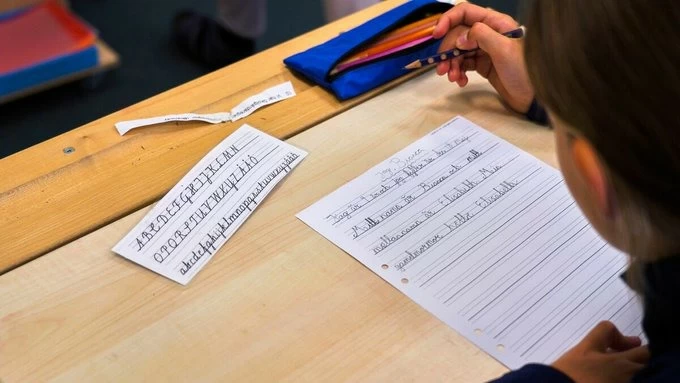
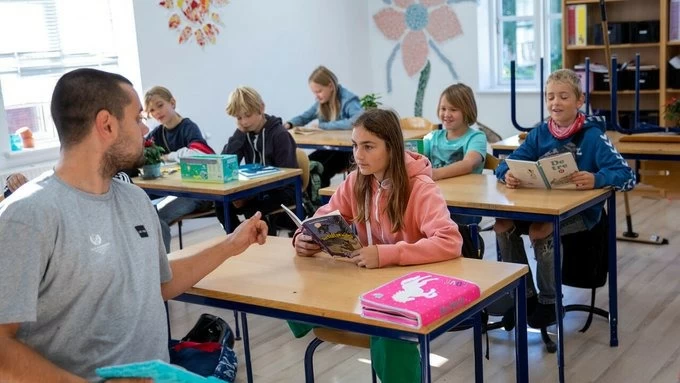
بعد قرار السويد الجريء بالتخلي التدريجي عن الشاشات الذكية والأجهزة اللوحية في المدارس والعودة إلى استخدام الأقلام والورق والكتب المطبوعة، تعالت الأصوات في بريطانيا مطالبة باتخاذ خطوات مشابهة لإنقاذ مستويات الإجادة والتركيز لدى الطلاب.
حملة «من الشاشة إلى الملف»
وكانت الحكومة السويدية قد أطلقت حملة «من الشاشة إلى الملف» فخفضت الاعتماد على الأجهزة الرقمية، خصوصاً في مراحل التعليم المبكر، وزادت الاستثمار في الكتب المطبوعة بمئات الملايين من الكرونات السويدية، مع حظر الهواتف المحمولة في المدارس.
جدل في بريطانيا حول التعليم الرقمي
وقد أثار هذا النموذج السويدي نقاشاً واسعاً في بريطانيا، حيث يرى العديد من المعلمين والآباء والخبراء التربويين أن الاعتماد المفرط على الشاشات ساهم في تراجع مهارات القراءة والكتابة اليدوية والتركيز لدى الطلاب.
ودعا عدد من النواب والمختصين البريطانيين إلى مراجعة شاملة للسياسة التعليمية الرقمية، مطالبين بالعودة إلى التوازن بين التكنولوجيا والطرق التقليدية في التعليم.
تراجع نتائج الطلاب في السويد
وشهدت السويد، التي كانت من أكثر الدول تقدماً في التحول الرقمي بالتعليم، تراجعاً ملحوظاً في نتائج الطلاب في اختبارات PISA الدولية القراءة والرياضيات لذلك قررت الحكومة السويدية منذ 2023-2025 العودة إلى الأساسيات.
وعملت السلطات السويدية على إلغاء إلزامية استخدام الأجهزة الرقمية في رياض الأطفال، وتخصيص أكثر من 200 مليون دولار لشراء كتب مطبوعة، حظر الهواتف المحمولة في المدارس ابتداءً من خريف 2026، التركيز على الكتابة باليد والقراءة من الكتب الورقية.
دراسات تدعم القراءة الورقية
يأتي هذا التحول بعد دراسات أظهرت أن القراءة على الورق أفضل للاستيعاب والذاكرة، خصوصاً لدى الأطفال، مقارنة بالشاشات.
وفي بريطانيا، يعاني النظام التعليمي من تحديات مشابهة تتعلق بانخفاض مهارات القراءة والكتابة، مما دفع خبراء ومؤسسات تربوية إلى النظر في النموذج السويدي كخيار محتمل لإصلاح التعليم.
After Sweden's bold decision to gradually abandon smart screens and tablets in schools and return to using pens, paper, and printed books, voices in Britain have risen calling for similar steps to save students' proficiency and focus levels.
The "From Screen to Paper" Campaign
The Swedish government launched the "From Screen to Paper" campaign, reducing reliance on digital devices, especially in early education stages, and increased investment in printed books by hundreds of millions of Swedish kronor, while banning mobile phones in schools.
Debate in Britain on Digital Education
This Swedish model has sparked a wide discussion in Britain, where many teachers, parents, and educational experts believe that excessive reliance on screens has contributed to a decline in reading, handwriting skills, and focus among students.
A number of British MPs and specialists have called for a comprehensive review of digital education policy, demanding a return to a balance between technology and traditional methods in education.
Decline in Student Results in Sweden
Sweden, which was one of the most advanced countries in digital transformation in education, has witnessed a noticeable decline in student results in the international PISA tests for reading and mathematics, prompting the Swedish government to decide to return to basics from 2023-2025.
The Swedish authorities have worked to abolish the mandatory use of digital devices in kindergartens, allocating more than $200 million to purchase printed books, banning mobile phones in schools starting from the fall of 2026, and focusing on handwriting and reading from paper books.
Studies Supporting Paper Reading
This shift comes after studies showed that reading on paper is better for comprehension and memory, especially among children, compared to screens.
In Britain, the educational system faces similar challenges related to declining reading and writing skills, prompting experts and educational institutions to consider the Swedish model as a potential option for educational reform.