تستعد السويد لتطبيق واحد من أكثر الإصلاحات الجنائية إثارة للجدل في تاريخها الحديث، يقضي بإيداع أطفال ومراهقين تراوح أعمارهم بين 13 و18 عاماً في سجون شديدة الحراسة، في ظل تصاعد جرائم العنف المرتبطة بالعصابات وارتفاع عدد القاصرين المشتبه بتورطهم في جرائم قتل، بحسب ما أفادت به صحيفة لوموند الفرنسية.
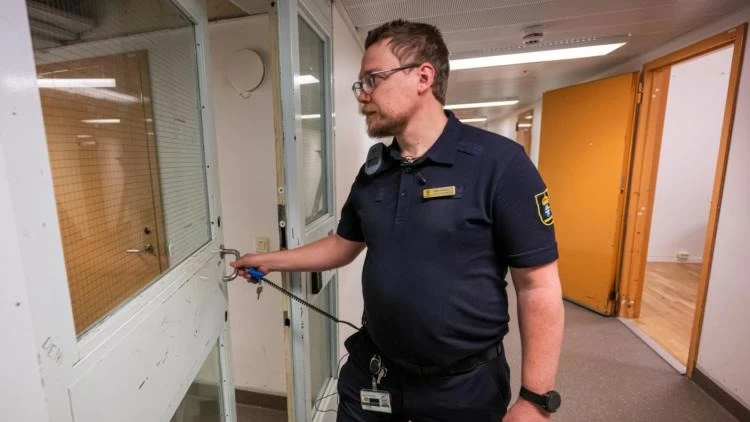
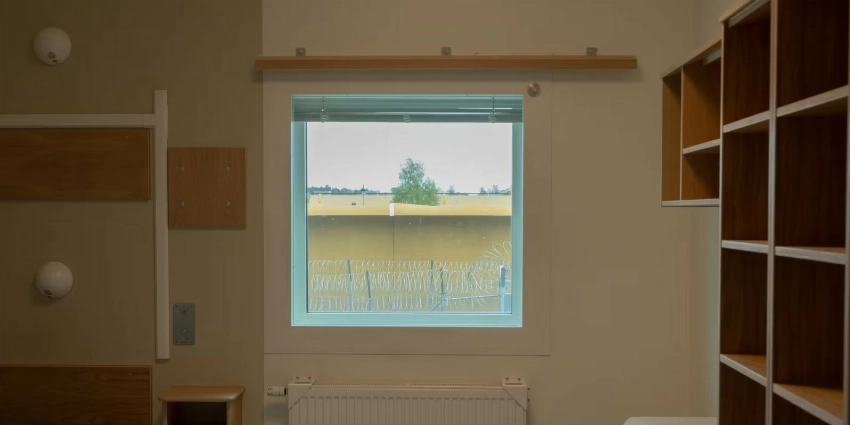
وفي سجن «كوملا» شديد الحراسة، الواقع على بعد نحو 200 كيلومتر غرب العاصمة ستوكهولم، تجري أعمال إعادة تهيئة واسعة لاستقبال أول دفعة من القاصرين المدانين بجرائم خطيرة اعتباراً من يوليو القادم.
وكان الجناح الجديد في السجن قد افتُتح عام 2024 لاستيعاب 128 سجيناً من أخطر المجرمين في البلاد، لكن السلطات أخلته أخيراً لإعادة تصميمه بما يتناسب مع احتياجات النزلاء القاصرين.
خفض سن المسؤولية الجنائية
الإصلاح الذي تقوده أحزاب اليمين المحافظ واليمين المتطرف يتضمن خفض سن المسؤولية الجنائية من 15 إلى 13 عاماً في الجرائم الخطيرة التي تصل عقوبتها إلى 4 سنوات سجن أو أكثر.
في سياق متصل، صوّت البرلمان السويدي، أمس (الأربعاء)، على الجزء الأول من المشروع، الذي يسمح بسجن المراهقين بين 15 و17 عاماً داخل المؤسسات العقابية، فيما يُتوقع إقرار الجزء الثاني المتعلق بخفض السن القانونية في يونيو القادم.
وحددت السلطات بالفعل 6 مراكز احتجاز لاستقبال القاصرين، مع توقعات بأن تضم هذه السجون ما بين 250 و300 شاب بحلول عام 2027.
انتقادات وتحذيرات
ورغم دعم الحكومة للإصلاح باعتباره ضرورة لمواجهة تصاعد جرائم العصابات، يواجه المشروع انتقادات واسعة من مختصين ومديري سجون وخبراء اجتماعيين.
ومن أبرز المعارضين جاك مويبّو، مدير سجن كوملا، الذي عبّر عن تحفظه تجاه السياسة الجديدة رغم إشرافه على تجهيز الجناح المخصص للقاصرين.
وقال مويبّو إن الهدف هو توفير بيئة تشعرهم وكأنها منزل، في محاولة للتخفيف من الطابع القاسي للمكان، موضحاً أن الأقسام الجديدة ستضم مساحات معيشية مشتركة ومطابخ وغرفاً مصممة بشكل أقل صرامة من أجنحة البالغين.
وخلال جولة داخل الجناح الجديد، ظهرت الجدران المطلية حديثاً والأثاث الحديث، بما في ذلك أرائك كبيرة وطاولات خشبية، في محاولة لخلق بيئة أكثر ملاءمة للمراهقين.
مخاوف من آثار نفسية واجتماعية
ويحذر منتقدو المشروع من أن إدخال الأطفال إلى سجون أمنية مشددة قد يؤدي إلى آثار نفسية واجتماعية خطيرة، ويزيد احتمالات تحولهم إلى مجرمين محترفين بدل إعادة تأهيلهم.
كما يرى معارضون أن الحلول الأمنية وحدها لن تعالج جذور أزمة العنف المتنامية بين الشباب، والتي ترتبط بالفقر والتهميش وتوسع نفوذ العصابات في بعض الضواحي السويدية.
وتأتي هذه الخطوة في وقت تشهد فيه السويد تحولاً ملحوظاً في سياساتها الجنائية والهجرة، مع صعود الأحزاب اليمينية التي تدعو إلى تشديد العقوبات وتعزيز القبضة الأمنية لمواجهة الجريمة المنظمة.
Sweden is preparing to implement one of the most controversial criminal reforms in its modern history, which involves placing children and teenagers aged between 13 and 18 in high-security prisons, amid a rise in gang-related violence and an increasing number of minors suspected of involvement in murder, according to the French newspaper Le Monde.
In the high-security "Kumla" prison, located about 200 kilometers west of the capital Stockholm, extensive renovations are underway to accommodate the first batch of minors convicted of serious crimes starting from next July.
The new wing of the prison was opened in 2024 to house 128 of the country's most dangerous criminals, but authorities recently vacated it to redesign it to meet the needs of the minor inmates.
Lowering the Age of Criminal Responsibility
The reform, led by conservative and far-right parties, includes lowering the age of criminal responsibility from 15 to 13 for serious crimes that carry a prison sentence of 4 years or more.
In a related context, the Swedish parliament voted yesterday (Wednesday) on the first part of the project, which allows for the imprisonment of teenagers aged between 15 and 17 in correctional facilities, while the second part concerning the reduction of the legal age is expected to be approved next June.
Authorities have already identified 6 detention centers to accommodate minors, with expectations that these prisons will house between 250 and 300 young people by 2027.
Criticism and Warnings
Despite government support for the reform as a necessity to combat the rise in gang crimes, the project faces widespread criticism from specialists, prison directors, and social experts.
One of the most prominent opponents is Jack Mweibo, the director of Kumla prison, who expressed his reservations about the new policy despite overseeing the preparation of the wing designated for minors.
Mweibo stated that the goal is to provide an environment that feels like home, in an attempt to soften the harsh nature of the place, explaining that the new sections will include shared living spaces, kitchens, and rooms designed to be less strict than those for adults.
During a tour inside the new wing, freshly painted walls and modern furniture, including large sofas and wooden tables, were visible in an effort to create a more suitable environment for teenagers.
Concerns About Psychological and Social Effects
Critics of the project warn that placing children in high-security prisons may lead to serious psychological and social effects, increasing the likelihood of them becoming professional criminals instead of rehabilitating them.
Opponents also believe that security solutions alone will not address the roots of the growing violence crisis among youth, which is linked to poverty, marginalization, and the expanding influence of gangs in some Swedish suburbs.
This move comes at a time when Sweden is witnessing a noticeable shift in its criminal and immigration policies, with the rise of right-wing parties calling for tougher penalties and enhanced security measures to combat organized crime.