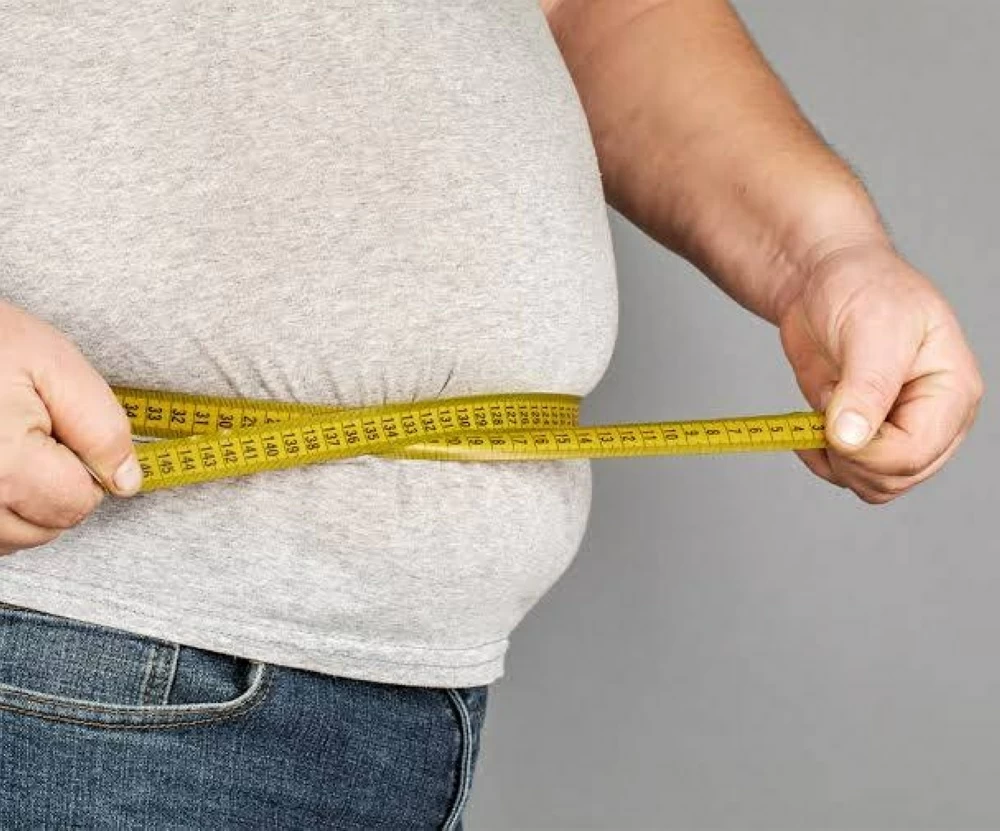
كشفت دراسة علمية حديثة أن توقيت زيادة الوزن يلعب دوراً حاسماً في تحديد مخاطرها الصحية، مشيرة إلى أن اكتساب الكتلة الجسمانية في سن مبكرة قد يترك آثاراً طويلة الأمد تفوق تأثير زيادة الوزن في مراحل لاحقة من العمر.
ووفق تقرير نشره موقع «ساينس أليرت»، اعتمد فريق بحثي من جامعة لوند السويدية على بيانات أكثر من 620 ألف شخص تمت متابعتهم لسنوات، ليتبين أن الفترة بين 17 و30 عاماً تمثل المرحلة الأكثر خطورة لاكتساب الوزن، إذ ترتبط بارتفاع واضح في معدلات الوفاة المبكرة مقارنة بمن يزداد وزنهم لاحقاً.
وأظهرت النتائج أن التحول إلى فئة السمنة بين عمر 17 و29 عاماً يرفع خطر الوفاة المبكرة بنحو 70%، نتيجة التعرض لفترة أطول لمضاعفات السمنة، مثل أمراض القلب والأوعية الدموية، والسكري من النوع الثاني، واضطرابات الكلى، إضافة إلى بعض أنواع السرطان.
في المقابل، أشارت الدراسة إلى أن زيادة الوزن في منتصف العمر أو بعده لا تخلو من المخاطر، لكنها تظل أقل حدة، بسبب قصر مدة التعرض للعوامل المرتبطة بالسمنة.
وأكدت الباحثة تانيا ستوكس أن أكثر النتائج ثباتاً تشير إلى ارتباط زيادة الوزن المبكرة بارتفاع خطر الوفاة في مراحل لاحقة من الحياة، مقارنة بمن يكتسبون وزناً أقل أو في سن متأخرة.
ويرجّح الباحثون أن السبب يعود إلى طول فترة تعرض الجسم للضغط البيولوجي الناتج عن السمنة، ما يزيد من احتمالات التلف والإجهاد، ويضاعف مخاطر الأمراض والوفاة المبكرة.
A recent scientific study revealed that the timing of weight gain plays a crucial role in determining its health risks, indicating that gaining body mass at an early age may leave long-term effects that exceed the impact of weight gain at later stages of life.
According to a report published by Science Alert, a research team from Lund University in Sweden relied on data from over 620,000 individuals who were followed for years, finding that the period between ages 17 and 30 represents the most dangerous phase for gaining weight, as it is associated with a clear increase in rates of early death compared to those who gain weight later.
The results showed that transitioning to the obesity category between the ages of 17 and 29 raises the risk of early death by about 70%, due to prolonged exposure to complications of obesity, such as cardiovascular diseases, type 2 diabetes, kidney disorders, and certain types of cancer.
In contrast, the study indicated that gaining weight in middle age or later is not without risks, but it remains less severe due to the shorter duration of exposure to obesity-related factors.
Researcher Tanya Stokes confirmed that the most consistent findings indicate a link between early weight gain and an increased risk of death in later stages of life, compared to those who gain less weight or gain it at an older age.
Researchers suggest that the reason may be due to the long duration of the body's exposure to the biological stress caused by obesity, which increases the likelihood of damage and stress, and multiplies the risks of diseases and early death.