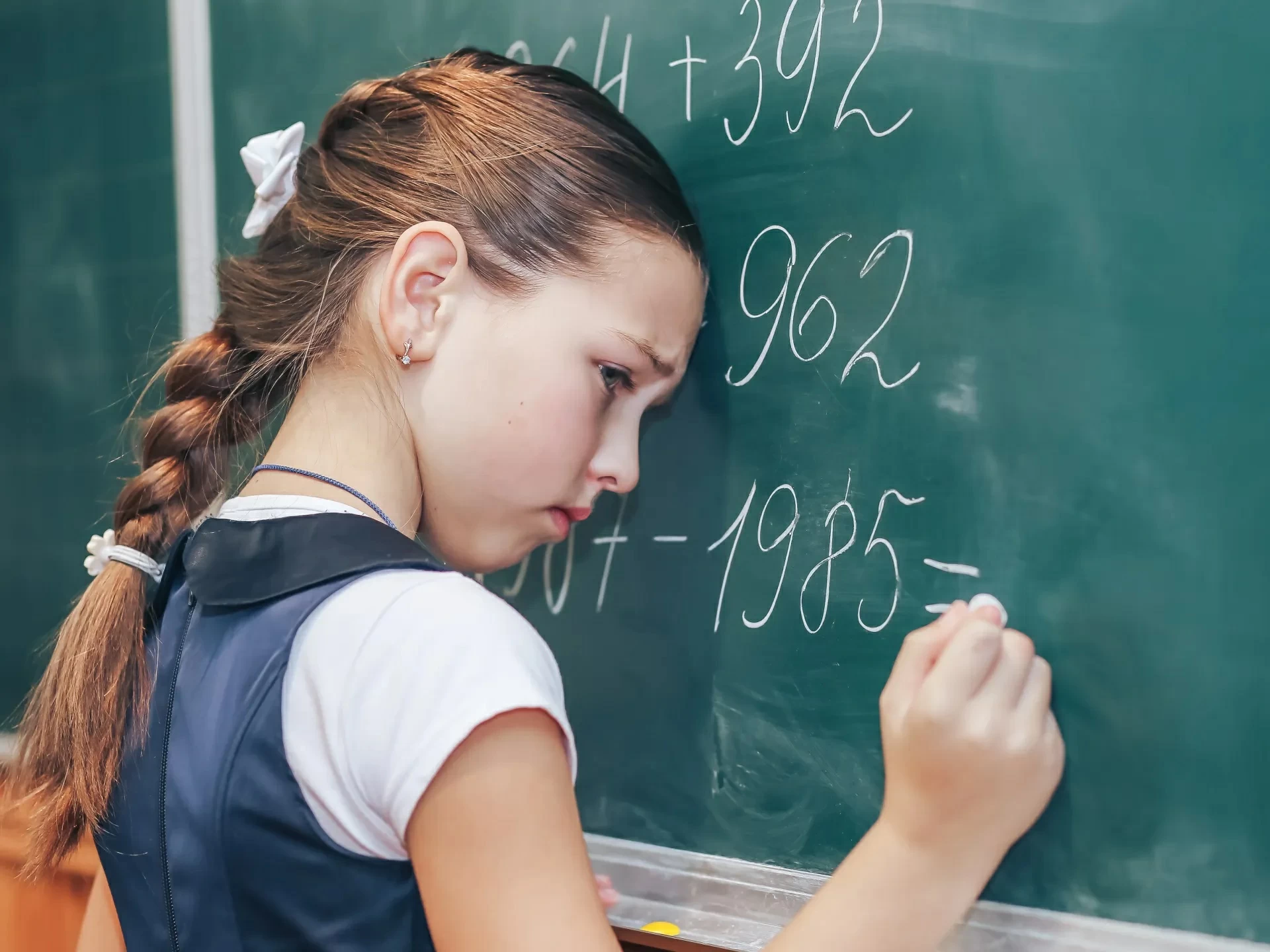
بينما كنا نعتقد أننا أغلقنا ملف الفجوة التعليمية بين الجنسين إلى الأبد، تظهر بيانات جديدة صادمة لتكشف تراجع الفتيات في الرياضيات مجدداً. فما الذي حدث بعد 30 عاماً من التقدم؟ وهل جائحة كورونا هي المتهم الوحيد في هذا التراجع؟ الدراسة التي أعدّتها منظمة الأمم المتحدة للتربية والعلم والثقافة (اليونسكو) بالتعاون مع جهات بحثية دولية، أظهرت أن الفتيات عدن للتراجع في الأداء مقارنة بالفتيان في عدد كبير من الدول حول العالم، بعد سنوات من التحسن المستمر.
المفاجأة الأكبر أن نسبة الدول التي يتفوّق فيها الفتيان على الفتيات في الرياضيات وصلت في عام 2023 إلى أعلى مستوى منذ نحو 30 عامًا، وهو ما وصفته المنظمة بأنه تطور «مثير للقلق» في مسار التعليم العالمي.
البيانات التي اعتمدت على دراسات امتدت من منتصف التسعينات حتى عام 2023، ترصد تحولًا لافتًا: فبعد أن كانت الفجوة تتقلص تدريجيًا خلال العقدين الماضيين، بدأت بالاتساع مجددًا منذ عام 2019، وبشكل أكثر وضوحًا في المرحلة الابتدائية.
وفي بعض الدول، ارتفعت نسبة الفتيات اللواتي لم يصلن إلى الحد الأدنى في مهارات الرياضيات، بينما استقرت أو تحسنت مستويات الفتيان في المقابل، ما خلق فجوة جديدة في النتائج التعليمية.
وتشير الدراسة إلى أن هذا التراجع لا يرتبط فقط بالقدرات الفردية، بل بعوامل أوسع، من بينها تأثيرات التعليم خلال جائحة كورونا، التي أدت إلى انقطاع دراسي طويل في دول عدة، وأثرت على ثقة الطلاب بأنفسهم، خصوصًا الفتيات في المواد العلمية.
لكن الأزمة بحسب الباحثين لا تتوقف عند الجائحة. فهناك عامل آخر لا يقل أهمية يتمثل في: الصور النمطية داخل البيئة التعليمية، والتي قد تؤثر بشكل غير مباشر على أداء الطلاب منذ السنوات الأولى.
وتحذر الدراسة من أن استمرار هذا الاتجاه قد ينعكس على المستقبل العلمي والاقتصادي، خاصة في ظل الاعتماد المتزايد على المهارات الرقمية والرياضية في سوق العمل الحديث.
وفي مواجهة هذا التراجع، تدعو اليونسكو إلى خطوات تبدأ من الصفوف الأولى، مثل تعزيز ثقة الفتيات في الرياضيات عبر الأنشطة التفاعلية، وتدريب المعلمين على تقليل التحيز، ومراقبة الفروقات التعليمية بشكل أدق.
القصة هنا لا تتعلق بالأرقام فقط، بل بمستقبل جيل كامل يُعاد تشكيل فرصه داخل الفصل الدراسي، حيث قد يبدأ الفارق من مسألة بسيطة في الرياضيات، وينتهي بتأثيرات تمتد إلى الاقتصاد والابتكار حول العالم.
While we thought we had closed the educational gender gap forever, new shocking data reveals a regression in girls' performance in mathematics once again. What happened after 30 years of progress? Is the COVID-19 pandemic the only culprit in this decline? A study prepared by the United Nations Educational, Scientific and Cultural Organization (UNESCO) in collaboration with international research entities showed that girls have regressed in performance compared to boys in a large number of countries around the world, after years of continuous improvement.
The biggest surprise is that the percentage of countries where boys outperform girls in mathematics reached its highest level in 2023 in nearly 30 years, which the organization described as a "concerning" development in the trajectory of global education.
The data, which relied on studies spanning from the mid-1990s to 2023, tracks a notable shift: after the gap had been gradually narrowing over the past two decades, it began to widen again since 2019, more clearly in the primary stage.
In some countries, the percentage of girls who did not reach the minimum level in mathematics skills increased, while the levels of boys remained stable or improved, creating a new gap in educational outcomes.
The study indicates that this regression is not only related to individual capabilities but also to broader factors, including the impacts of education during the COVID-19 pandemic, which led to long school interruptions in several countries and affected students' self-confidence, especially girls in scientific subjects.
However, the crisis, according to researchers, does not stop at the pandemic. There is another equally important factor represented by: stereotypes within the educational environment, which may indirectly affect students' performance from the early years.
The study warns that the continuation of this trend could reflect on the scientific and economic future, especially in light of the increasing reliance on digital and mathematical skills in the modern job market.
In response to this regression, UNESCO calls for steps starting from the early grades, such as enhancing girls' confidence in mathematics through interactive activities, training teachers to reduce bias, and monitoring educational disparities more accurately.
The story here is not just about numbers, but about the future of an entire generation whose opportunities are being reshaped within the classroom, where the difference may start from a simple math issue and end with impacts extending to the economy and innovation around the world.