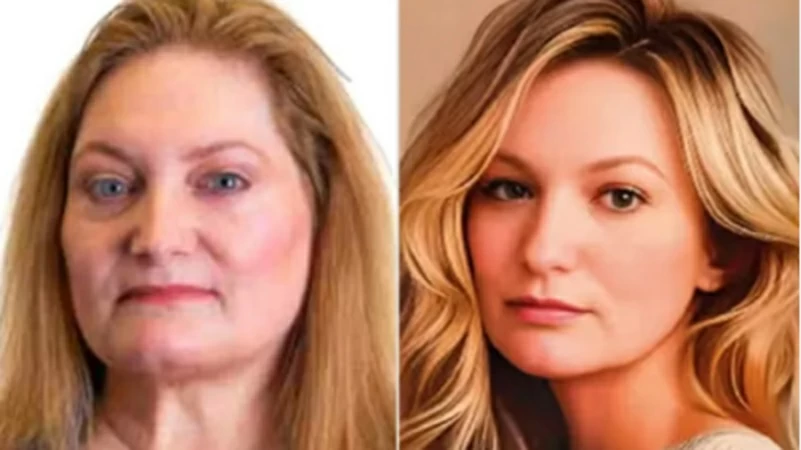
في عصر أصبح فيه الذكاء الاصطناعي قادراً على إعادة تشكيل الوجوه والحقائق معاً، تحوّلت حملة انتخابية في هولندا إلى قصة صادمة انتهت بإقصاء سياسية من سباقها الانتخابي بسبب صور لم تكن كما بدت.
بدأت القصة عندما ظهرت السياسية الهولندية باتريشيا رايشمان (60 عاماً)، في مواد دعائية انتخابية بملامح شابة أقرب إلى العشرينيات، ما أثار دهشة الناخبين قبل أن يتحول الأمر إلى عاصفة سياسية وإعلامية.
الصور التي بدت «مثالية أكثر من اللازم» لم تمر مرور الكرام، إذ بدأت وسائل الإعلام الهولندية، بينها صحيفة «ألخمين داغبلاد»، في طرح أسئلة مباشرة حول مدى صحة هذه المواد، وما إذا كانت قد خضعت لتلاعب رقمي باستخدام تقنيات الذكاء الاصطناعي.
ومع تصاعد الضغط، جاءت المفاجأة من السياسية نفسها، إذ أنكرت أي تلاعب، وذهبت في دفاع مثير للجدل إلى حد القول إن مظهرها الحالي المتقدم في السن يعود إلى أدوية تتناولها، وأنها ستستعيد مظهرها الشاب بعد انتهاء العلاج.
لكن هذا التفسير لم ينجح في تهدئة الجدل، بل زاده اشتعالاً، ليقرر حزب «Leefbaar Rotterdam» المحلي اتخاذ خطوة حاسمة باستبعادها من الحزب، معتبراً أن ما حدث يضرب مصداقية العملية الانتخابية في الصميم.
في بيانه، شدد الحزب على أن الصور لم تعكس الواقع وتم تعديلها بشكل واضح باستخدام تقنيات الذكاء الاصطناعي، مشيراً إلى أن المرشحة رُفضت دعوتها لإعادة المقعد، ما دفعه للنأي بنفسه عنها رسمياً.
ولم تعد الحادثة مجرد خلاف انتخابي محلي، بل تحولت إلى مثال جديد على المخاوف المتصاعدة عالمياً من قدرة الذكاء الاصطناعي على إعادة تشكيل «الحقيقة البصرية»، في وقت تنتشر فيه الصور والفيديوهات المزيفة على نطاق واسع عبر المنصات الرقمية، ما يجعل التمييز بين الواقع والتزييف أكثر صعوبة من أي وقت مضى.
In an era where artificial intelligence is capable of reshaping faces and realities alike, an election campaign in the Netherlands turned into a shocking story that ended with a politician being ousted from her electoral race due to images that were not as they appeared.
The story began when Dutch politician Patricia Reichman (60 years old) appeared in election promotional materials with youthful features resembling those in their twenties, which astonished voters before it turned into a political and media storm.
The images, which seemed "too perfect," did not go unnoticed, as Dutch media, including the newspaper "Algemeen Dagblad," began to raise direct questions about the authenticity of these materials and whether they had undergone digital manipulation using artificial intelligence techniques.
As the pressure mounted, the surprise came from the politician herself, as she denied any manipulation and went on to make a controversial defense by claiming that her current aged appearance was due to medications she was taking, and that she would regain her youthful look after the treatment ended.
However, this explanation did not succeed in calming the debate; rather, it intensified it, leading the local "Leefbaar Rotterdam" party to take a decisive step by excluding her from the party, considering that what happened undermined the credibility of the electoral process at its core.
In its statement, the party emphasized that the images did not reflect reality and had been clearly altered using artificial intelligence techniques, noting that the candidate's request to reclaim her seat was rejected, prompting the party to officially distance itself from her.
The incident has now become more than just a local electoral dispute; it has turned into a new example of the rising global concerns about the ability of artificial intelligence to reshape "visual truth," at a time when fake images and videos are widely circulating across digital platforms, making it more difficult than ever to distinguish between reality and fabrication.