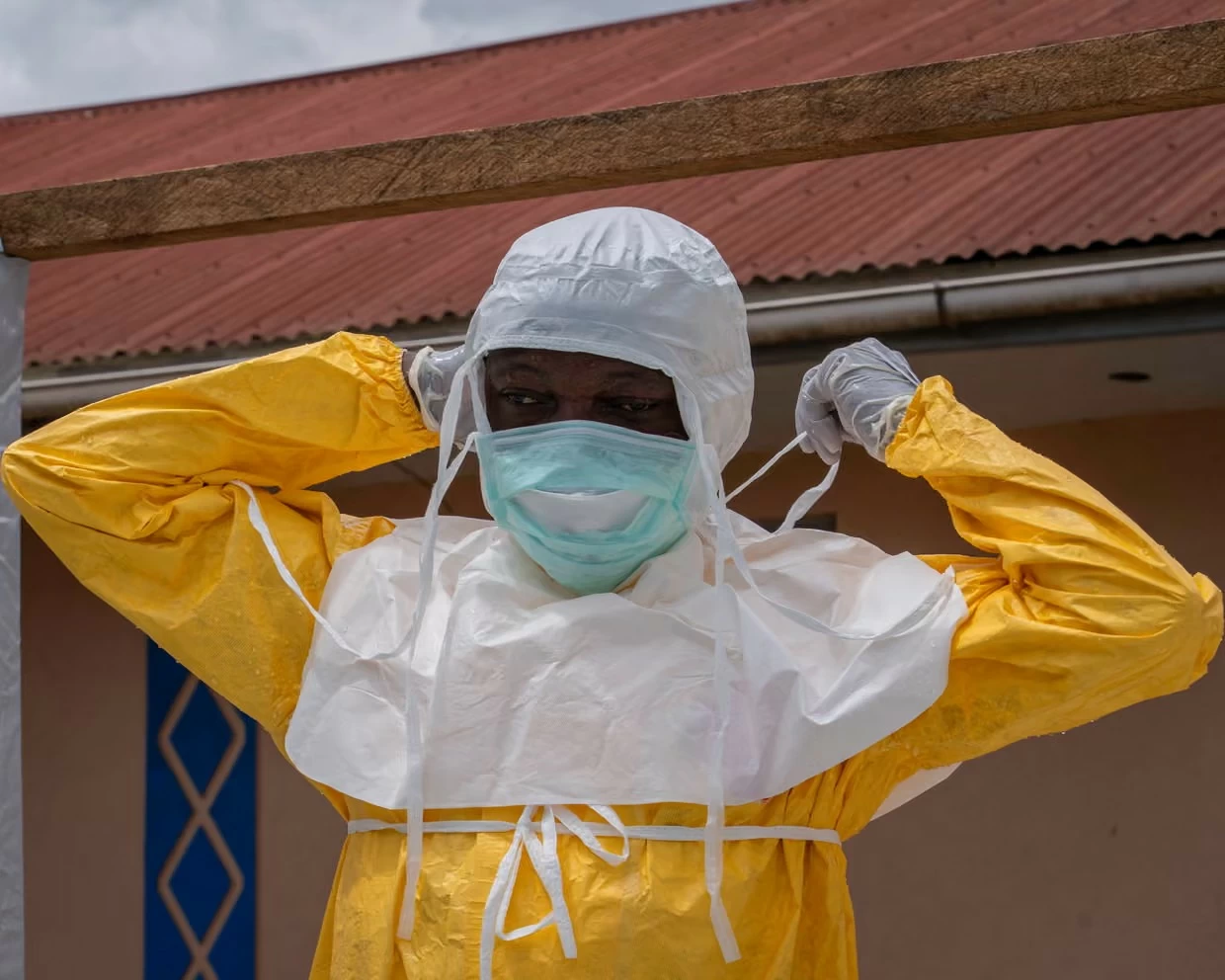
حذرت السلطات الصحية الأمريكية من أن تفشي فايروس إيبولا في منطقة أفريقيا الوسطى قد يتطور إلى أزمة صحية واسعة النطاق تقترب من حجم أسوأ موجة تفشٍ شهدها العالم بين عامي 2014 و2016 في غرب أفريقيا، والتي أودت بحياة أكثر من 11 ألف شخص وأصابت ما يزيد على 28 ألفاً.
ونشر المركز الأمريكي لمكافحة الأمراض والوقاية منها (CDC) تحليلاً جديداً يستند إلى نماذج حاسوبية تتوقع عدة سيناريوهات محتملة لمسار التفشي الحالي، تراوح بين نحو 10 آلاف إصابة وأكثر من 20 ألف حالة، وفقاً لسرعة عزل المصابين وفعالية إجراءات احتواء المرض.
وأشار التقرير إلى أن عدد الإصابات قد يتجاوز حاجز 20 ألف حالة إذا استمرت معدلات عزل المصابين عند مستويات منخفضة، ما يسمح بانتقال العدوى إلى أعداد أكبر من السكان.
وقال مدير الاستجابة لتفشي إيبولا في مركز مكافحة الأمراض الأمريكي الدكتور ساتيش بيلاي إن النماذج تشير إلى أن الوصول إلى مستوى تفشٍ مماثل لوباء غرب أفريقيا «أمر ممكن» في حال غياب التدخلات الصحية القوية والفعالة.
من جانبها، أكدت مديرة مركز الأوبئة بجامعة براون الأمريكية جينيفر نوزو أن نتائج النمذجة تدعم المخاوف التي أثيرت منذ بداية الأزمة، مشيرة إلى أن التفشي الحالي يسير في «مسار خطير» إذا لم تُتخذ إجراءات إضافية للحد من انتشاره.
ورغم ذلك، شددت نوزو على أن التنبؤ بمسار الأوبئة يظل مهمة معقدة، خصوصاً في ظل محدودية البيانات المتاحة، مؤكدة أن الأرقام المطروحة يجب التعامل معها باعتبارها سيناريوهات محتملة وليست توقعات مؤكدة.
ووفقاً لبيانات المراكز الأفريقية لمكافحة الأمراض والوقاية منها، تم تسجيل نحو 400 إصابة مؤكدة حتى الآن، بينها 63 حالة وفاة، فيما يعتقد خبراء الصحة أن العدد الحقيقي للإصابات قد يكون أعلى بسبب وجود حالات لم تُشخَّص أو لم يتم الإبلاغ عنها.
وينتقل فايروس إيبولا عبر ملامسة سوائل الجسم الملوثة مثل الدم والقيء والسائل المنوي، ويُعد من الأمراض الفتاكة ذات معدلات الوفيات المرتفعة، كما لا تتوافر حالياً لقاحات أو علاجات نوعية معتمدة لسلالة «بونديبوجيو» المتسببة في التفشي الحالي.
وكانت منظمة الصحة العالمية قد أعلنت في مايو الماضي أن التفشي يمثل حالة طوارئ صحية عالمية، بينما تشير تقديرات بعض الخبراء إلى أن العدوى ربما بدأت بالفعل منذ فبراير، إلا أن السلطات الصحية كانت تجري اختبارات لسلالة مختلفة من فيروس إيبولا في المراحل الأولى من الأزمة.
وتواجه جهود احتواء الوباء تحديات كبيرة بسبب الأوضاع الأمنية المتدهورة في شرق جمهورية الكونغو الديمقراطية، إذ تتواصل المواجهات بين القوات الحكومية ومتمردي حركة «إم 23» المدعومة من رواندا، إلى جانب هجمات تشنها جماعة «القوات الديمقراطية المتحالفة» المرتبطة بتنظيم داعش.
وأدى استمرار العنف إلى نزوح أعداد كبيرة من السكان، ما زاد من صعوبة تتبع الإصابات وعزل المرضى وتقديم الرعاية الصحية اللازمة للمناطق المتضررة.
واعتمدت النماذج التي أعدها مركز مكافحة الأمراض الأمريكي على عدة عوامل، من بينها عدد الإصابات والوفيات المسجلة حتى الآن، وسرعة اكتشاف الحالات وعزلها قبل نقل العدوى إلى الآخرين.
وأوضح التقرير أن معدل عزل المصابين الفعلي لا يزال غير معروف بدقة، لكنه يُعتقد أنه يقع ضمن المستويات المنخفضة التي استندت إليها بعض السيناريوهات الأكثر تشاؤماً.
وفي المقابل، يرى الخبراء أن رفع معدلات العزل إلى ما بين 50% و70% يمكن أن يحد من انتشار المرض ويُبقي عدد الإصابات عند حدود تقارب 10 آلاف حالة، بينما قد تؤدي زيادة عدد الوفيات غير المكتشفة أو غير المبلغ عنها إلى تفاقم الوضع بشكل أكبر.
ورغم خطورة التوقعات الحالية، أشار مسؤولون إلى أن النماذج الوبائية ليست دائماً دقيقة، مستشهدين بتقديرات أصدرها المركز الأمريكي لمكافحة الأمراض خلال تفشي غرب أفريقيا عام 2014، عندما توقع في أسوأ السيناريوهات إصابة ما يصل إلى 1.4 مليون شخص إذا لم تُتخذ أي إجراءات، إلا أن الأرقام النهائية جاءت أقل بأكثر من 50 مرة من ذلك التقدير.
ويؤكد الخبراء أن المسار النهائي للتفشي الحالي سيعتمد بدرجة كبيرة على سرعة الاستجابة الدولية، وفعالية إجراءات العزل والتتبع، وقدرة السلطات الصحية على العمل في المناطق المتأثرة بالنزاعات المسلحة.
The American health authorities have warned that the outbreak of the Ebola virus in the Central Africa region could develop into a widespread health crisis approaching the scale of the worst outbreak the world witnessed between 2014 and 2016 in West Africa, which claimed the lives of more than 11,000 people and infected over 28,000.
The Centers for Disease Control and Prevention (CDC) published a new analysis based on computer models predicting several potential scenarios for the current outbreak, ranging from about 10,000 infections to more than 20,000 cases, depending on the speed of isolating the infected and the effectiveness of containment measures.
The report indicated that the number of infections could exceed 20,000 cases if the rates of isolating the infected remain low, allowing the virus to spread to larger numbers of the population.
Dr. Satish Pillai, the director of the Ebola response at the CDC, stated that the models suggest that reaching a level of outbreak similar to the West Africa epidemic "is possible" in the absence of strong and effective health interventions.
For her part, Jennifer Nuzzo, director of the Epidemiology Center at Brown University, confirmed that the modeling results support the concerns raised since the beginning of the crisis, noting that the current outbreak is on a "dangerous path" if additional measures are not taken to limit its spread.
Nevertheless, Nuzzo emphasized that predicting the course of epidemics remains a complex task, especially given the limited available data, asserting that the proposed numbers should be treated as potential scenarios rather than confirmed predictions.
According to data from the African Centers for Disease Control and Prevention, about 400 confirmed cases have been recorded so far, including 63 deaths, while health experts believe that the actual number of infections may be higher due to unreported or undiagnosed cases.
The Ebola virus is transmitted through contact with contaminated body fluids such as blood, vomit, and semen, and is considered one of the deadly diseases with high mortality rates. Currently, there are no approved vaccines or specific treatments for the "Bundibugyo" strain responsible for the current outbreak.
The World Health Organization announced last May that the outbreak constitutes a global health emergency, while estimates from some experts suggest that the infection may have actually begun as early as February, although health authorities were conducting tests for a different strain of the Ebola virus in the early stages of the crisis.
Efforts to contain the epidemic face significant challenges due to the deteriorating security situation in eastern Democratic Republic of the Congo, where clashes continue between government forces and the Rwandan-backed M23 rebels, alongside attacks by the Allied Democratic Forces linked to ISIS.
The ongoing violence has led to the displacement of large numbers of people, complicating the tracking of infections, isolating patients, and providing necessary healthcare to affected areas.
The models prepared by the CDC relied on several factors, including the number of recorded infections and deaths so far, and the speed of detecting and isolating cases before transmitting the virus to others.
The report clarified that the actual rate of isolating the infected is still not accurately known, but it is believed to be within the low levels that some of the more pessimistic scenarios were based on.
In contrast, experts believe that raising isolation rates to between 50% and 70% could limit the spread of the disease and keep the number of infections around 10,000 cases, while an increase in unreported or undiagnosed deaths could exacerbate the situation further.
Despite the seriousness of the current predictions, officials pointed out that epidemiological models are not always accurate, citing estimates issued by the CDC during the West Africa outbreak in 2014, when it predicted in the worst-case scenarios that up to 1.4 million people could be infected if no measures were taken, yet the final numbers turned out to be more than 50 times lower than that estimate.
Experts affirm that the final course of the current outbreak will largely depend on the speed of international response, the effectiveness of isolation and tracking measures, and the ability of health authorities to operate in areas affected by armed conflicts.