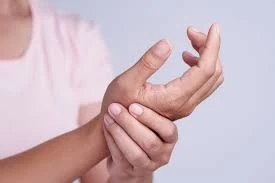
كشفت تقارير طبية أن مرض الصدفية، الذي يصيب أكثر من مليون شخص في المملكة المتحدة، قد يزيد من خطر الإصابة بنوع خاص من التهاب المفاصل يُعرف باسم التهاب المفاصل الصدفي، وهو اضطراب يمكن أن يؤثر على عدة مفاصل في الجسم، وقد يؤدي في الحالات الشديدة إلى الإعاقة إذا لم يُعالج.
ووفقاً لجمعية الصدفية البريطانية، فإن نحو واحد من كل خمسة مصابين بالصدفية قد يطور هذا النوع من التهاب المفاصل، الذي يتميز بظهور أعراض جلدية أو في الأظافر وفروة الرأس، إلى جانب آلام المفاصل وتيبسها أو تورمها، مع اختلاف المفاصل المصابة من شخص لآخر.
مفاصل متعددة وأعراض متباينة
وتشير التقارير إلى أن إصابة الأظافر بالصدفية غالباً ما ترتبط بالتهاب المفاصل في أطراف الأصابع، بينما تشمل المناطق الأخرى الشائعة الركبتين والكاحلين والمعصمين والوركين، إضافة إلى المفاصل الصغيرة في اليدين والقدمين.
وتوضح منظمة «مبادرة التهاب المفاصل» أن المرض قد يصيب البالغين في أي عمر، وقد يقتصر لدى البعض على مفصل أو اثنين فقط، بينما يتطور لدى آخرين ليؤثر على العمود الفقري والمفاصل العجزية الحرقفية.
أبرز الأعراض
تشمل أعراض التهاب المفاصل الصدفي؛ تيبس وألم وخفقان وتورم في المفاصل، تورم الأصابع أو أصابع القدم بشكل يشبه «النقانق»، تغيرات في الأظافر، ألم وتورم في الأوتار، ضعف في مدى الحركة، إرهاق عام، وغالباً ما تكون هذه الأعراض أكثر حدة في الصباح، وقد تتغير شدتها بمرور الوقت.
التشخيص والعلاج
لا يعتمد تشخيص التهاب المفاصل الصدفي على اختبار دم محدد، بل يقوم الأطباء بفحص المفاصل ومراجعة التاريخ الطبي والعائلي، إلى جانب إجراء اختبارات لاستبعاد أمراض أخرى مثل التهاب المفاصل الروماتويدي أو النقرس.
وتتنوع خيارات العلاج بين العلاج الطبيعي والوظيفي، ومسكنات الألم ومضادات الالتهاب مثل نابروكسين، وحقن المفاصل، والتدخل الجراحي في الحالات المتقدمة.
وقد تساعد بعض الأدوية المخصصة للحالات الشديدة في علاج أعراض الصدفية الجلدية أيضاً، علماً بأن بعض المرضى قد تظهر لديهم أعراض التهاب المفاصل قبل ظهور الصدفية على الجلد.
أعراض الصدفية الجلدية
تتمثل العلامة الرئيسية للصدفية في ظهور بقع جافة ومثيرة للحكة ومؤلمة، مغطاة بقشور بيضاء فضية، ويراوح حجمها عادة بين 1 و2 سم، وقد تظهر في عدة مناطق من الجسم.
ووفقاً لهيئة الخدمات الطبية البريطانية، فإن أكثر المناطق عرضة للإصابة تشمل؛ فروة الرأس وخلف الأذنين، الصدر والبطن والظهر، الأرداف، الساعدين والمرفقين، الساقين والركبتين، وثنايا الجسم مثل منطقة الفخذ، كما قد تؤدي الصدفية في الأظافر إلى ظهور حفر أو تغيرات واضحة.
تأثيرات نفسية وإدارة المرض
ورغم عدم وجود علاج نهائي للصدفية، إلا أنه يمكن السيطرة عليها باستخدام الكريمات والمراهم الطبية، كما قد تؤثر الحالة على الصحة النفسية للمصابين، ما يستدعي في بعض الأحيان دعماً متخصصاً.
Medical reports have revealed that psoriasis, which affects more than a million people in the United Kingdom, may increase the risk of developing a specific type of arthritis known as psoriatic arthritis, a disorder that can affect multiple joints in the body and may lead to disability in severe cases if left untreated.
According to the British Psoriasis Association, about one in five people with psoriasis may develop this type of arthritis, which is characterized by the appearance of skin or nail symptoms and scalp issues, along with joint pain, stiffness, or swelling, with the affected joints varying from person to person.
Multiple Joints and Varying Symptoms
Reports indicate that nail psoriasis is often associated with arthritis in the fingers, while other common areas include the knees, ankles, wrists, and hips, in addition to the small joints in the hands and feet.
The "Arthritis Initiative" organization explains that the disease can affect adults of any age, and may be limited in some individuals to just one or two joints, while in others it may progress to affect the spine and sacroiliac joints.
Main Symptoms
Symptoms of psoriatic arthritis include stiffness, pain, throbbing, and swelling in the joints, swelling of the fingers or toes resembling "sausages," changes in the nails, pain and swelling in the tendons, reduced range of motion, general fatigue, and these symptoms are often more severe in the morning, with their intensity varying over time.
Diagnosis and Treatment
The diagnosis of psoriatic arthritis does not rely on a specific blood test; rather, doctors examine the joints and review the medical and family history, along with conducting tests to rule out other diseases such as rheumatoid arthritis or gout.
Treatment options vary from physical and occupational therapy, pain relievers, and anti-inflammatory medications such as naproxen, to joint injections and surgical intervention in advanced cases.
Some medications designed for severe cases may also help treat the symptoms of skin psoriasis, noting that some patients may experience arthritis symptoms before the psoriasis appears on the skin.
Symptoms of Skin Psoriasis
The main sign of psoriasis is the appearance of dry, itchy, and painful patches covered with silvery-white scales, typically ranging in size from 1 to 2 cm, and they may appear in several areas of the body.
According to the British Medical Services, the most susceptible areas include the scalp, behind the ears, chest, abdomen, back, buttocks, forearms, elbows, legs, knees, and skin folds such as the groin area, and psoriasis in the nails may lead to pitting or noticeable changes.
Psychological Effects and Disease Management
Although there is no definitive cure for psoriasis, it can be managed using medical creams and ointments, and the condition may impact the mental health of those affected, sometimes necessitating specialized support.