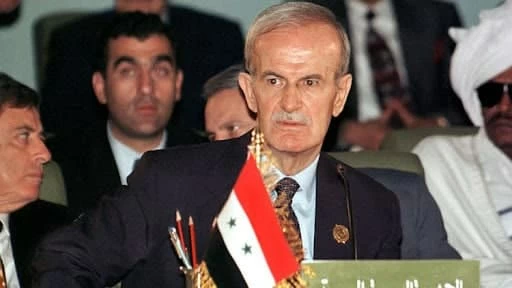
كشف الضابط السابق في سلاح الجو السوري عبدالغني قصاص تفاصيل صادمة ومروعة عن محاولة انقلاب على نظام حافظ الأسد في أوائل الثمانينيات، وتجارب كيميائية أجريت على سجناء سياسيين باستخدام غازات سامة.
جاء ذلك خلال حلقة خاصة من برنامج «الحكاية السورية» على قناة الإخبارية السورية، إذ روى قصاص شهادته كأحد المشاركين في التخطيط للانقلاب الفاشل.
محاولة الانقلاب التي انتهت بـ«وشاية»
وقال قصاص إن عشرات الضباط من سلاح الجو السوري، معظمهم من دمشق، شاركوا في التخطيط لمحاولة انقلاب على حافظ الأسد بين عامي 1979 و1982، وكان من بين القياديين في التنظيم العميد الراحل نذير السقا.
وأوضح أن الخطة انكشفت بسبب وشاية، مما أدى إلى اعتقال جميع الضباط بشكل متزامن، وتعرضهم لتحقيقات قاسية في فرع المخابرات الجوية.
تجارب الموت الكيميائي.. «سارين» في «أبو الشامات»
وفي الجزء الأكثر صدمة من الشهادة، تحدث قصاص عن تجارب كيميائية أجراها علي مملوك الذي كان يشغل منصب رئيس قسم الكيمياء في مطار المزة العسكري على سجناء سياسيين.
وكشف أنه تم نقل 15 سجيناً من سجن المخابرات الجوية في ساحة التحرير إلى مطار المزة، حيث خضعوا لفحوصات طبية دقيقة، ثم أُعطوا ورقة وقلماً لكتابة رسائل إلى أهاليهم يوهمون فيها بأنهم على وشك الإفراج عنهم.
بعد ذلك، نُقل السجناء إلى منطقة أبو الشامات، حيث وضع بعضهم في خنادق وبعضهم الآخر في غرف مغلقة. وتم إطلاق غازات كيميائية عليهم لمراقبة التأثير.
وقال قصاص إن خمسة سجناء وضعوا في غرفة مغلقة وأُطلق عليهم غاز الأعصاب (سارين)، مما أدى إلى هلوسات بصرية وسمعية شديدة، وبدأ السجناء يضربون بعضهم البعض ويجرحون أنفسهم، معتقدين أنهم يسمعون إذاعة لندن.
وأضاف أن علي مملوك وإبراهيم حويجة ومحمد الخولي كانوا يراقبون التجربة من خارج الغرفة مرتدين كمامات واقية.
17 عاماً من التعذيب في السجون
وتحدث قصاص عن اعتقاله الشخصي وتعذيبه الوحشي في فرع المخابرات الجوية، حيث تعرض للضرب المبرح بـ«الكرسي الألماني» والكرباج، قبل نقله إلى سجن صيدنايا الشهير، وقضى نحو 17 عاماً في المعتقل، وأُفرج عنه عام 1999، بينما استمرت عمليات الإفراج عن باقي المعتقلين حتى عام 1991.
Former Syrian Air Force officer Abdul Ghani Qassas revealed shocking and horrifying details about an attempted coup against Hafez al-Assad's regime in the early 1980s, and chemical experiments conducted on political prisoners using toxic gases.
This came during a special episode of the program "The Syrian Story" on Syrian News Channel, where Qassas recounted his testimony as one of the participants in planning the failed coup.
The Coup Attempt That Ended with a "Betrayal"
Qassas stated that dozens of officers from the Syrian Air Force, most of them from Damascus, participated in planning an attempted coup against Hafez al-Assad between 1979 and 1982, and among the leaders of the organization was the late Brigadier General Nadhir al-Saqa.
He explained that the plan was uncovered due to a betrayal, which led to the simultaneous arrest of all the officers, who were subjected to harsh interrogations at the Air Intelligence Branch.
Chemical Death Experiments.. "Sarin" in "Abu al-Shamat"
In the most shocking part of his testimony, Qassas spoke about chemical experiments conducted by Ali Mamlouk, who was the head of the chemistry department at the Mezzeh Military Airport, on political prisoners.
He revealed that 15 prisoners were transferred from the Air Intelligence prison in Martyrs' Square to Mezzeh Airport, where they underwent thorough medical examinations, then were given a paper and a pen to write letters to their families, misleading them into believing that they were about to be released.
After that, the prisoners were taken to the Abu al-Shamat area, where some were placed in trenches and others in closed rooms. Chemical gases were released on them to observe the effects.
Qassas stated that five prisoners were placed in a closed room and were exposed to nerve gas (Sarin), which caused severe visual and auditory hallucinations, leading the prisoners to strike each other and injure themselves, believing they were hearing the London radio.
He added that Ali Mamlouk, Ibrahim Huwaijeh, and Muhammad al-Khuli were monitoring the experiment from outside the room wearing protective masks.
17 Years of Torture in Prisons
Qassas spoke about his personal arrest and brutal torture at the Air Intelligence Branch, where he was severely beaten with the "German chair" and a whip, before being transferred to the notorious Sednaya Prison, where he spent about 17 years in detention, and was released in 1999, while the release of other detainees continued until 1991.