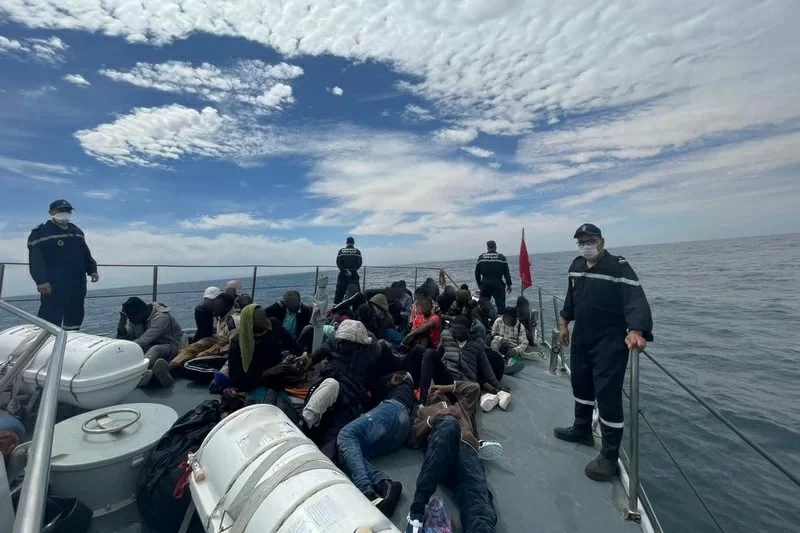
في واحدة من أكثر ملفات الهجرة السرية تعقيدًا في غرب البحر الأبيض المتوسط، فجّرت وكالة الاتحاد الأوروبي للتعاون في إنفاذ القانون «يوروبول» تفاصيل شبكة دولية ضخمة لتهريب المهاجرين، امتدت خيوطها بين إسبانيا وفرنسا والجزائر والمغرب، قبل أن تنتهي بسلسلة اعتقالات واسعة.
لم تكن القضية مجرد عمليات عبور غير قانوني، بل شبكة منظمة تعمل كمنظومة إجرامية متكاملة، تعتمد على تخطيط دقيق وبنية لوجستية معقدة، حيث تم نقل مهاجرين من السواحل الإفريقية باتجاه إسبانيا باستخدام زوارق سريعة ويخوت، قبل تهريبهم لاحقًا عبر البر نحو دول أوروبية أخرى.
وبحسب التحقيقات، فإن الشبكة كانت تتمركز بشكل رئيسي في منطقة ألميريا الإسبانية، مع امتدادات إلى مدن فرنسية مثل مرسيليا وبيربينيان، إضافة إلى نقاط دعم داخل المغرب والجزائر لعبت دورًا في التمويل والتنسيق اللوجستي لعمليات العبور البحري.
لكن ما جعل القضية أكثر تعقيدًا هو أن هذا النشاط لم يقتصر على تهريب البشر فقط، بل ارتبط أيضًا بجرائم موازية شملت تهريب المخدرات والأسلحة وغسل الأموال، في محاولة لتعظيم الأرباح وتوسيع النفوذ الإجرامي عبر الحدود.
العملية الأمنية التي قادتها أجهزة إنفاذ القانون الأوروبية أسفرت عن توقيف 24 شخصًا من جنسيات مختلفة، بينهم عناصر يُصنفون كأهداف عالية الخطورة، إلى جانب تنفيذ 14 عملية تفتيش داخل منازل ومواقع مرتبطة بالشبكة في إسبانيا.
وخلال المداهمات، تم ضبط ترسانة لوجستية ضخمة تكشف حجم التنظيم داخل الشبكة، شملت زوارق سريعة وقوارب مطاطية، ومركبات فاخرة، وأجهزة تتبع واتصال بحرية، إضافة إلى محركات قوية ومعدات تشويش، وحتى كميات من الوقود والهواتف الفضائية، في مشهد يعكس طبيعة العمل شبه العسكري الذي كانت تعتمده الشبكة.
وتشير المعطيات إلى أن التنظيم اعتمد هيكلًا داخليًا دقيقًا، قُسمت فيه المهام بين شراء القوارب ومحركاتها، ومراقبة تحركات السلطات، وحتى تشغيل ورش متنقلة لصيانة الزوارق بسرعة، ما سمح باستمرار عمليات التهريب دون توقف فعلي.
وتُعد هذه القضية واحدة من أبرز الملفات التي تكشف كيف تحولت شبكات تهريب المهاجرين في غرب المتوسط إلى تنظيمات عابرة للحدود، تضم جنسيات متعددة، وتعمل بمنطق يشبه الشركات الإجرامية المنظمة أكثر من كونها شبكات تهريب تقليدية.
In one of the most complex cases of illegal immigration in the western Mediterranean, the European Union Agency for Law Enforcement Cooperation "Europol" has revealed details of a massive international smuggling network, with threads extending between Spain, France, Algeria, and Morocco, culminating in a series of wide-ranging arrests.
The case was not merely about illegal crossings; it involved an organized network operating as a comprehensive criminal system, relying on meticulous planning and a complex logistical structure. Migrants were transported from the African coasts towards Spain using speedboats and yachts, before being smuggled overland to other European countries.
According to investigations, the network was primarily centered in the Spanish region of Almería, with extensions to French cities such as Marseille and Perpignan, in addition to support points within Morocco and Algeria that played a role in financing and coordinating the maritime crossing operations.
However, what made the case more complicated was that this activity was not limited to human smuggling alone; it was also linked to parallel crimes including drug trafficking, arms smuggling, and money laundering, in an attempt to maximize profits and expand criminal influence across borders.
The security operation led by European law enforcement agencies resulted in the arrest of 24 individuals of various nationalities, including individuals classified as high-risk targets, along with the execution of 14 search operations within homes and sites connected to the network in Spain.
During the raids, a massive logistical arsenal was seized, revealing the scale of organization within the network, which included speedboats, inflatable boats, luxury vehicles, maritime tracking and communication devices, as well as powerful engines and jamming equipment, and even quantities of fuel and satellite phones, reflecting the quasi-military nature of the operations employed by the network.
Data indicates that the organization relied on a precise internal structure, dividing tasks between the purchase of boats and their engines, monitoring the movements of authorities, and even operating mobile workshops for the rapid maintenance of boats, allowing smuggling operations to continue without actual interruption.
This case is one of the most prominent files that reveal how migrant smuggling networks in the western Mediterranean have transformed into transnational organizations, comprising multiple nationalities and operating in a manner resembling organized criminal enterprises more than traditional smuggling networks.