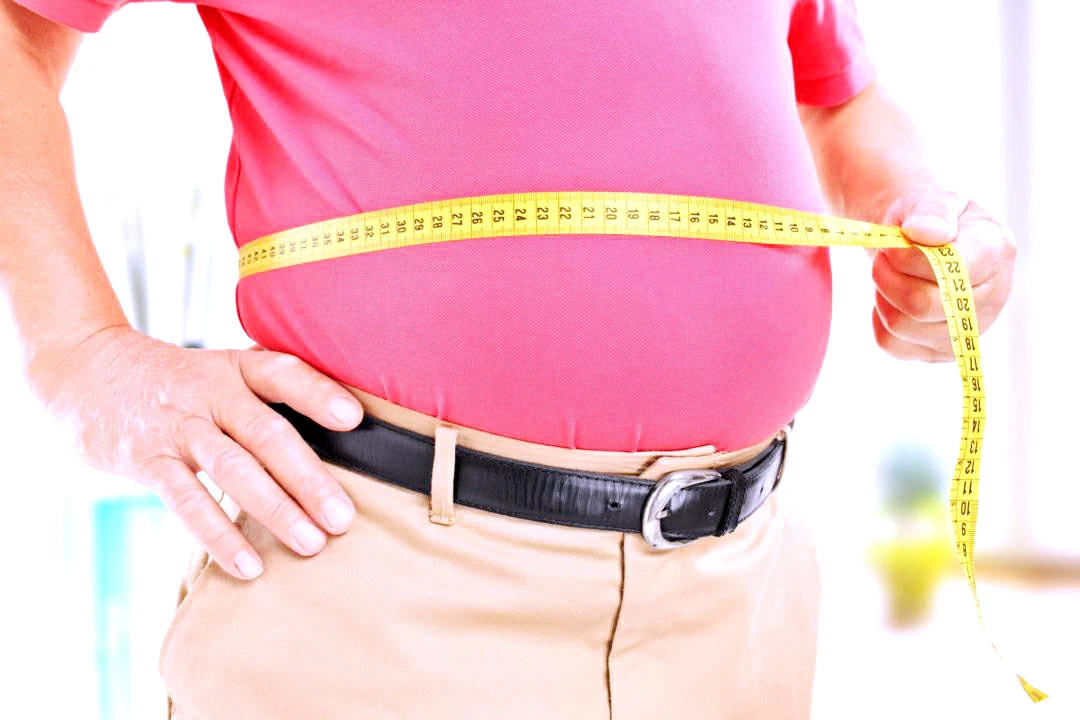
كشفت دراسات حديثة في علم الأيض، منشورة عبر مؤسسات بحثية متخصصة، أن توقيت تناول الوجبات قد يكون العامل الحاسم في التحكم بالوزن، متجاوزاً في تأثيره نوعية الطعام أو كميته في بعض الحالات.
وتشير النتائج إلى أن تناول الطعام في ساعات متأخرة، خصوصاً خلال الليل، يؤدي إلى اضطراب الساعة البيولوجية، ما يبطئ عملية حرق السعرات ويزيد من احتمالية تخزين الدهون.
في المقابل، يظهر تناول الوجبات خلال فترات النهار وضمن أوقات منتظمة تحسناً واضحاً في كفاءة التمثيل الغذائي، إذ يستخدم الجسم الطاقة بشكل أفضل بدل تخزينها.
كما تربط الأبحاث بين توقيت الأكل وتنظيم هرمونات الجوع والشبع، ما يعني أن الجسم يتفاعل مع «متى نأكل» بقدر تفاعله مع «ماذا نأكل».
وتعيد هذه المعطيات صياغة مفهوم الحمية الغذائية، من التركيز على المكونات فقط إلى فهم أعمق لدور الزمن في إدارة الوزن والصحة العامة.
Recent studies in metabolism, published by specialized research institutions, have revealed that the timing of meals may be the decisive factor in weight control, surpassing the impact of food quality or quantity in some cases.
The results indicate that eating late, especially at night, disrupts the biological clock, slowing down the calorie-burning process and increasing the likelihood of fat storage.
In contrast, consuming meals during daytime hours and at regular times shows a clear improvement in metabolic efficiency, as the body utilizes energy better instead of storing it.
Research also links meal timing to the regulation of hunger and satiety hormones, meaning that the body reacts to "when we eat" as much as it does to "what we eat."
This data reshapes the concept of dieting, shifting the focus from just the ingredients to a deeper understanding of the role of time in managing weight and overall health.