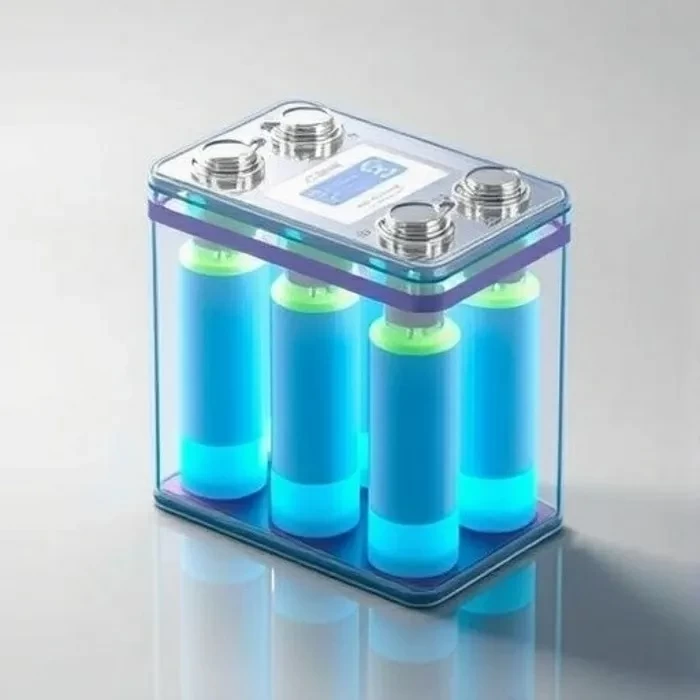
طور علماء صينيون من معهد الفيزياء التابع للأكاديمية الصينية للعلوم إلكتروليت غير قابل للاشتعال ويعالج بشكل جذري معضلة السلامة الأساسية في بطاريات الطاقة الجديدة، ويسرع طرح بطاريات أيونات الصوديوم في الأسواق.
ويعرف أنه عندما ترتفع درجة حرارة البطارية بشكل غير طبيعي، فوق 150 درجة مئوية، يتحول الإلكتروليت تلقائياً من الحالة السائلة إلى الحالة الصلبة، مشكلاً بذلك حاجزاً كثيفاً، ويعمل هذا الحاجز كـ«جدار حماية ذكي» داخل البطارية، حيث يمنع تماماً انتشار الانهيار الحراري.
وأن هذا الإنجاز في مجال السلامة لا يؤثر على الأداء الكهروكيميائي، حيث تتميز هذه البطارية بقدرة عالية على التكيف مع درجات حرارة تتراوح بين 40 درجة مئوية تحت الصفر و60 درجة مئوية، إضافة إلى مقاومة عالية للجهد تتجاوز 4.3 فولت، ما يحقق مستوى عالياً من الأمان وكثافة الطاقة.
Chinese scientists from the Institute of Physics at the Chinese Academy of Sciences have developed a non-flammable electrolyte that fundamentally addresses the basic safety dilemma in new energy batteries, accelerating the market introduction of sodium-ion batteries.
It is known that when the battery temperature rises abnormally, above 150 degrees Celsius, the electrolyte automatically transforms from a liquid state to a solid state, thereby forming a dense barrier. This barrier acts as a "smart firewall" within the battery, completely preventing the spread of thermal runaway.
This safety achievement does not affect the electrochemical performance, as this battery is characterized by a high adaptability to temperatures ranging from 40 degrees Celsius below zero to 60 degrees Celsius, in addition to a high voltage resistance exceeding 4.3 volts, achieving a high level of safety and energy density.