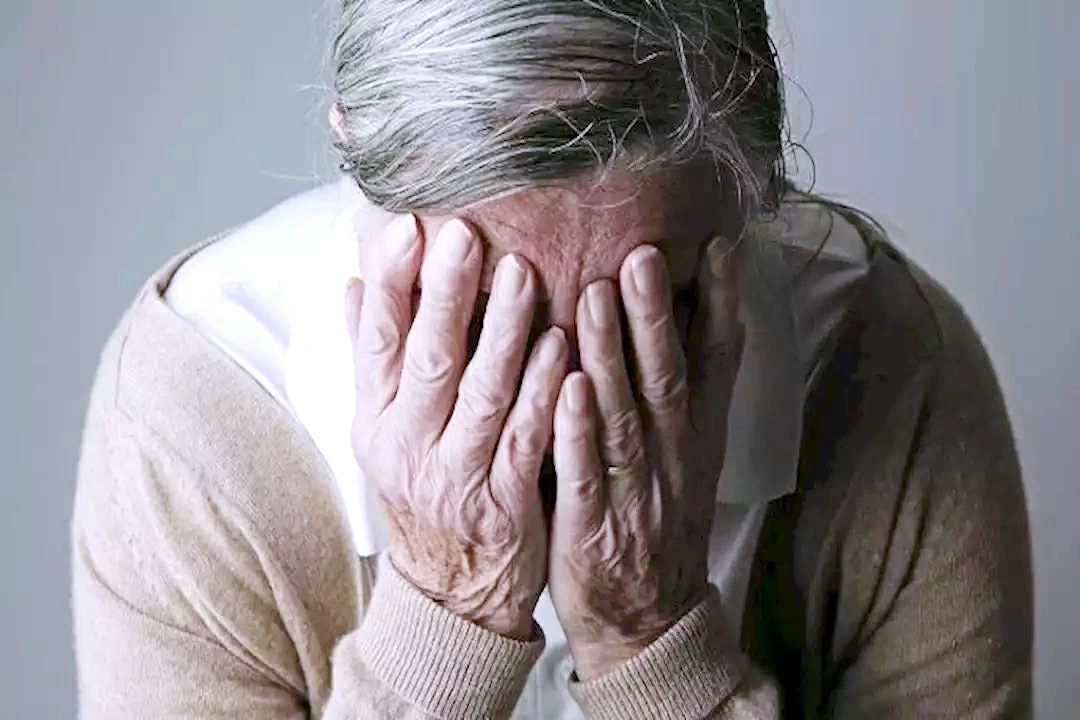
تناولت دراسات حديثة في علم النفس، من بينها أبحاث منشورة في مجلة Journal of Aging Studies، دور الضحك في مرحلة الشيخوخة، بين كونه وسيلة للتكيف النفسي أو مؤشراً على عزلة اجتماعية غير معلنة، حيث تشير النتائج إلى أن الضحك قد يعمل كآلية دفاعية تساعد كبار السن على مواجهة الضغوط، لكنه في بعض الحالات قد يخفي شعوراً بالوحدة أو الانسحاب الاجتماعي.
الأبحاث أوضحت، أن السياق الاجتماعي هو العامل الحاسم، إذ يكون الضحك صحياً ومفيداً حين يرتبط بتفاعل اجتماعي حقيقي، بينما يفقد قيمته عندما يصبح سلوكاً فردياً معزولاً.
ويرى مختصون، أن تعزيز الروابط الاجتماعية يظل العامل الأهم في تحسين جودة الحياة لدى كبار السن، مع ضرورة فهم السلوكيات النفسية في سياقها الكامل.
Recent studies in psychology, including research published in the Journal of Aging Studies, have addressed the role of laughter in old age, viewing it as either a means of psychological adaptation or an indicator of unspoken social isolation. The findings suggest that laughter may serve as a defensive mechanism that helps the elderly cope with stress, but in some cases, it may conceal feelings of loneliness or social withdrawal.
The research clarified that the social context is the determining factor, as laughter is healthy and beneficial when associated with genuine social interaction, while it loses its value when it becomes an isolated individual behavior.
Experts believe that strengthening social bonds remains the most important factor in improving the quality of life for the elderly, emphasizing the need to understand psychological behaviors in their full context.