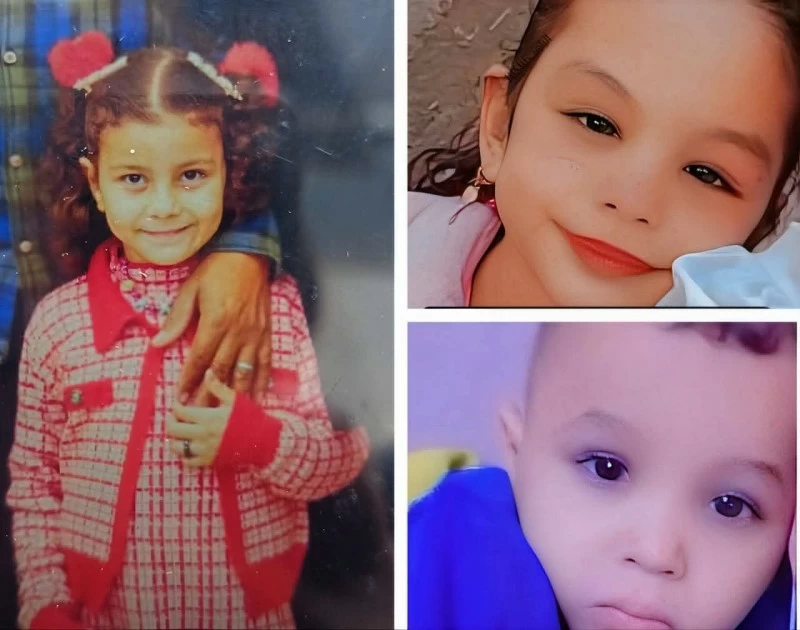
أيدت محكمة جنايات شبين الكوم بالمنوفية، اليوم (الأربعاء) حكم الإعدام شنقاً على المتهم بقتل ثلاثة أطفال صغار في قرية الراهب، بعد إحالة أوراقه إلى مفتي الديار المصرية لأخذ الرأي الشرعي، في واحدة من أبشع الجرائم التي هزت الرأي العام المصري.
وصدر القرار في جلسة النطق بالحكم قبل قليل، إذ أيدت المحكمة برئاسة المستشار بلال عوض توصية النيابة العامة بتوقيع أقصى العقوبة على المتهم، بعد أن أقر بارتكاب الجريمة بدافع الانتقام من والد الضحايا على خلفية خلافات شخصية سابقة.
تعود تفاصيل القضية إلى يناير 2026، حين تلقت أجهزة الأمن بمديرية أمن المنوفية بلاغاً بتغيب ثلاثة أطفال من أسرة واحدة بقرية الراهب التابعة لمركز شبين الكوم. الأطفال هم: شقيقان ونجلة عمهما، جميعهم في سن صغيرة (أقل من 10 سنوات).
وبعد بحث سريع، عثر الأهالي على جثث الأطفال الثلاثة داخل منزل مهجور تعود ملكيته لأسرة المتهم، وبها آثار خنق واضحة حول الرقاب، وتم نقل الجثامين إلى مشرحة مستشفى شبين الكوم التعليمي، وأكد تقرير الطب الشرعي أن سبب الوفاة هو الخنق حتى الموت.
تمكنت مباحث مركز شرطة شبين الكوم من ضبط المتهم في أقل من 5 ساعات، وبمواجهته أقر تفصيلياً بارتكاب الجريمة؛ إذ استدرج الأطفال بحجة اللعب أو الثقة المسبقة، ثم اصطحبهم إلى المنزل المهجور، وخنقهم بقطعة قماش، ثم ألقاهم هناك.
وكشفت التحقيقات أن الدافع كان انتقامياً من والد الأطفال، بعد خلافات شخصية استمرت لفترة، وأن المتهم تقرب من الأسرة على مدى نحو عامين، مستغلاً الثقة للوصول إلى الأطفال كوسيلة لإيذاء الأب بشكل أقسى.
وخلال محاكمة المتهم من أول جلسة في فبراير 2026، طالبت النيابة العامة بإعدامه شنقاً، واصفة الجريمة بأنها «قتل البراءة بدم بارد مع سبق الإصرار والترصد»، وأكد محامي أسر الضحايا ضرورة تطبيق أقصى العقوبة لتكون عبرة.
في المقابل، دافع محامي المتهم عن موكله بدعوى اضطرابات نفسية، مطالباً بعرضه على الطب النفسي، إلا أن المحكمة رفضت ذلك وأحالت الأوراق للمفتي.
The Shabin El-Kom Criminal Court in Menoufia upheld today (Wednesday) the death sentence by hanging for the defendant accused of murdering three young children in the village of Al-Raheb, after referring his case to the Grand Mufti of Egypt for a legal opinion, in one of the most heinous crimes that shocked Egyptian public opinion.
The decision was issued in a session for pronouncing the verdict a short while ago, as the court, presided over by Counselor Bilal Awad, upheld the Public Prosecution's recommendation to impose the maximum penalty on the defendant, after he confessed to committing the crime out of revenge against the victims' father due to previous personal disputes.
The details of the case date back to January 2026, when the security authorities in the Menoufia Security Directorate received a report about the disappearance of three children from the same family in the village of Al-Raheb, which is part of the Shabin El-Kom Center. The children are two brothers and their cousin, all of whom are very young (under 10 years old).
After a swift search, the locals found the bodies of the three children inside an abandoned house owned by the defendant's family, showing clear signs of strangulation around their necks. The bodies were transferred to the morgue of Shabin El-Kom Educational Hospital, and the forensic report confirmed that the cause of death was strangulation to death.
The Shabin El-Kom Police Investigations managed to apprehend the defendant in less than 5 hours, and upon confrontation, he detailed his confession of committing the crime; he lured the children under the pretext of playing or previous trust, then took them to the abandoned house, strangled them with a piece of cloth, and left them there.
Investigations revealed that the motive was revenge against the children's father, following personal disputes that had lasted for a period, and that the defendant had befriended the family over about two years, exploiting their trust to reach the children as a means to harm the father more severely.
During the trial of the defendant from the first session in February 2026, the Public Prosecution demanded his execution by hanging, describing the crime as "the murder of innocence in cold blood with premeditation and intent," and the lawyer for the victims' families emphasized the necessity of applying the maximum penalty to serve as a lesson.
In contrast, the defendant's lawyer defended his client on the grounds of psychological disorders, requesting that he be examined by a psychiatrist, but the court rejected this and referred the case to the Mufti.