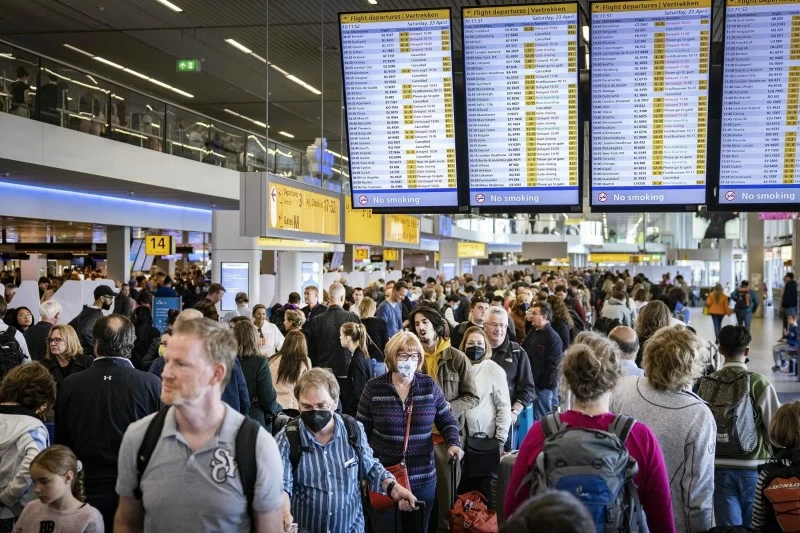
تواصلت، اليوم (الإثنين)، موجة الإلغاءات الواسعة للرحلات الجوية حول العالم لليوم الثالث على التوالي، في ظل الاضطراب الحاد الذي يضرب قطاع الطيران نتيجة الحرب الأمريكية–الإسرائيلية على إيران، ما أدى إلى تعليق آلاف الرحلات وترك مئات الآلاف من المسافرين عالقين في مطارات عدة.
وأعلنت مطارات وشركات طيران خليجية تعليق عملياتها بالكامل حتى الساعة العاشرة صباحاً بتوقيت غرينتش يوم الثلاثاء على الأقل، في وقت شهدت فيه أسهم شركات الطيران والسفر تراجعاً حاداً، بالتزامن مع تصريحات للرئيس الأمريكي دونالد ترمب أشار فيها إلى أن العمليات العسكرية قد تستمر لـ4 أسابيع إضافية.
إغلاق محاور الطيران الرئيسية
وأُغلقت مطارات رئيسية في الشرق الأوسط لليوم الثالث على التوالي، من بينها مطار دبي الدولي في دبي، الذي يُعد أكثر مطارات العالم ازدحاماً بالرحلات الدولية، في أكبر صدمة يتعرض لها قطاع الطيران منذ جائحة كوفيد-19 التي شلت الصناعة عالمياً.
وألغيت حتى صباح الإثنين ما لا يقل عن 1555 رحلة متجهة إلى الشرق الأوسط، وفق بيانات شركة التحليلات الجوية Cirium، مع تحذيرات من أن الرقم الفعلي قد يكون أعلى بسبب محدودية البيانات الواردة من إيران والإمارات.
وتضررت شركات الطيران الخليجية بشكل خاص، إذ أعلنت الإماراتية وطيران الاتحاد تعليق الرحلات من وإلى مراكزهما حتى صباح الثلاثاء، بينما أوقفت الخطوط الجوية القطرية عملياتها بالكامل طالما ظل المجال الجوي القطري مغلقاً. ووفق منصة تتبع الرحلات (FlightAware) تم إلغاء نحو 2800 رحلة يوم السبت، و3156 رحلة يوم الأحد، في تصاعد سريع للأزمة.
امتداد التأثير خارج المنطقة
لم تقتصر التداعيات على الشرق الأوسط، بل امتدت إلى أوروبا وآسيا، حيث وجد مسافرون من بالي الإندونيسية إلى فرانكفورت الألمانية أنفسهم عالقين، كما ألغت شركة الطيران الهندية رحلات من دلهي ومومباي وأمريتسار إلى مدن رئيسية في أوروبا وأمريكا الشمالية.
وأظهرت بيانات موقع Flightradar24 أن الأجواء فوق إيران والعراق والكويت وإسرائيل والبحرين والإمارات وقطر بدت شبه خالية من الطائرات حتى صباح الإثنين، في مشهد غير معتاد يعكس حجم التصعيد.
كما تأثرت رحلات إلى قبرص بعد استهداف بطائرة مسيّرة قاعدة سلاح الجو الملكي البريطاني في أكروتيري، ما دفع easyJet إلى إلغاء 3 رحلات، فيما أعلنت الخطوط الجوية البريطانية إلغاء رحلاتها إلى المنطقة مؤقتاً.
خسائر في الأسواق وقفزة في النفط
وتكبدت أسهم شركات الطيران والسفر خسائر ملحوظة، إذ هبط سهم شركة TUI Group بنسبة 7%، فيما تراجعت أسهم مجموعة International Airlines Group المالكة للخطوط البريطانية بنسبة 9%، كما انخفضت أسهم شركات كبرى، مثل Lufthansa وAir France-KLM وQantas وSingapore Airlines، بنسب تراوحت بين 5 و7%.
في المقابل، قفز سعر خام برنت بنسبة وصلت إلى 13% ليبلغ 80 دولاراً للبرميل، وسط توقعات بإمكانية وصوله إلى 100 دولار، ما ينذر بزيادة كبيرة في تكاليف التشغيل لشركات الطيران حول العالم.
تعقيدات لوجستية ومخاوف من استمرار الأزمة
وأدى إغلاق الأجواء إلى تكدس الطواقم الجوية وتوزعها في مطارات مختلفة حول العالم، ما يعقّد استئناف العمليات فور إعادة فتح المجال الجوي، كما اضطرت بعض الرحلات التي أقلعت بالفعل إلى تغيير مساراتها لتجنب الأجواء المغلقة، في ظل تضييق الممرات الجوية المتاحة.
ويُعد الخليج محوراً رئيسياً لحركة الشحن الجوي العالمية، ما يزيد الضغوط على سلاسل الإمداد، خصوصاً مع استمرار الاضطرابات البحرية في المنطقة.
ويرى محللون أن استمرار إغلاق الأجواء لأكثر من 24 ساعة وإغلاق المراكز الخليجية الثلاثة الكبرى يُعد سابقة غير معهودة في تاريخ الطيران الحديث، محذرين من أن خطر الاضطراب المطوّل بات الهاجس الأكبر لقطاع الطيران التجاري عالمياً.
Today (Monday), the wave of widespread flight cancellations around the world continued for the third consecutive day, amid the severe disruption affecting the aviation sector due to the American-Israeli war on Iran, leading to the suspension of thousands of flights and leaving hundreds of thousands of travelers stranded in several airports.
Gulf airports and airlines announced the complete suspension of their operations until at least 10 AM GMT on Tuesday, coinciding with a sharp decline in the stocks of airlines and travel companies, alongside statements from U.S. President Donald Trump indicating that military operations could continue for an additional four weeks.
Closure of Major Flight Hubs
Major airports in the Middle East have been closed for the third consecutive day, including Dubai International Airport in Dubai, which is the world's busiest airport for international flights, marking the biggest shock the aviation sector has faced since the COVID-19 pandemic crippled the industry globally.
As of Monday morning, at least 1,555 flights to the Middle East had been canceled, according to data from aviation analytics company Cirium, with warnings that the actual number could be higher due to limited data coming from Iran and the UAE.
Gulf airlines have been particularly affected, as Emirates and Etihad Airways announced the suspension of flights to and from their hubs until Tuesday morning, while Qatar Airways halted all operations as long as Qatari airspace remains closed. According to flight tracking platform FlightAware, about 2,800 flights were canceled on Saturday, and 3,156 flights on Sunday, marking a rapid escalation of the crisis.
Impact Extending Beyond the Region
The repercussions have not been limited to the Middle East but have extended to Europe and Asia, where travelers from Bali, Indonesia, to Frankfurt, Germany, found themselves stranded, and Indian airlines canceled flights from Delhi, Mumbai, and Amritsar to major cities in Europe and North America.
Data from Flightradar24 showed that the skies over Iran, Iraq, Kuwait, Israel, Bahrain, the UAE, and Qatar appeared almost empty of aircraft until Monday morning, in an unusual scene reflecting the scale of the escalation.
Flights to Cyprus were also affected after a drone targeted the British Royal Air Force base in Akrotiri, prompting easyJet to cancel three flights, while British Airways announced the temporary cancellation of its flights to the region.
Market Losses and a Surge in Oil Prices
Shares of airlines and travel companies suffered noticeable losses, with TUI Group's stock dropping by 7%, while shares of International Airlines Group, which owns British Airways, fell by 9%. Major companies such as Lufthansa, Air France-KLM, Qantas, and Singapore Airlines saw their stocks decline by between 5% and 7%.
In contrast, the price of Brent crude surged by up to 13% to reach $80 per barrel, with expectations that it could rise to $100, signaling a significant increase in operating costs for airlines worldwide.
Logistical Complications and Concerns Over Continued Crisis
The closure of airspace has led to a backlog of flight crews distributed across various airports worldwide, complicating the resumption of operations once airspace is reopened. Some flights that had already taken off were forced to change their routes to avoid closed airspace, amid the narrowing of available air corridors.
The Gulf is a major hub for global air freight, increasing pressure on supply chains, especially with ongoing maritime disruptions in the region.
Analysts believe that the continued closure of airspace for more than 24 hours and the closure of the three major Gulf hubs represents an unprecedented event in modern aviation history, warning that the risk of prolonged disruption has become the biggest concern for the commercial aviation sector globally.