في عملية أمنية دقيقة، أطاحت الشرطة المغربية بولاية أمن مراكش بخمسة شبان تراوح أعمارهم بين 20 و29 سنة، للاشتباه في ارتباطهم بشبكة إجرامية متخصصة في النصب والاحتيال المالي عبر الفضاء الرقمي، وانتحال هويات الغير، والمسّ بنظم المعالجة الآلية للمعطيات.
وجاء التحرك الأمني بعد شكوى تقدم بها أحد متعهدي شبكة المواصلات، إثر رصد عمليات احتيال متكررة نُفذت باستعمال تطبيقات رقمية. وأسهم بحث قضائي مدعوم بخبرات تقنية في فك خيوط الشبكة وتحديد هويات المشتبه فيهم، قبل توقيفهم داخل المدينة.
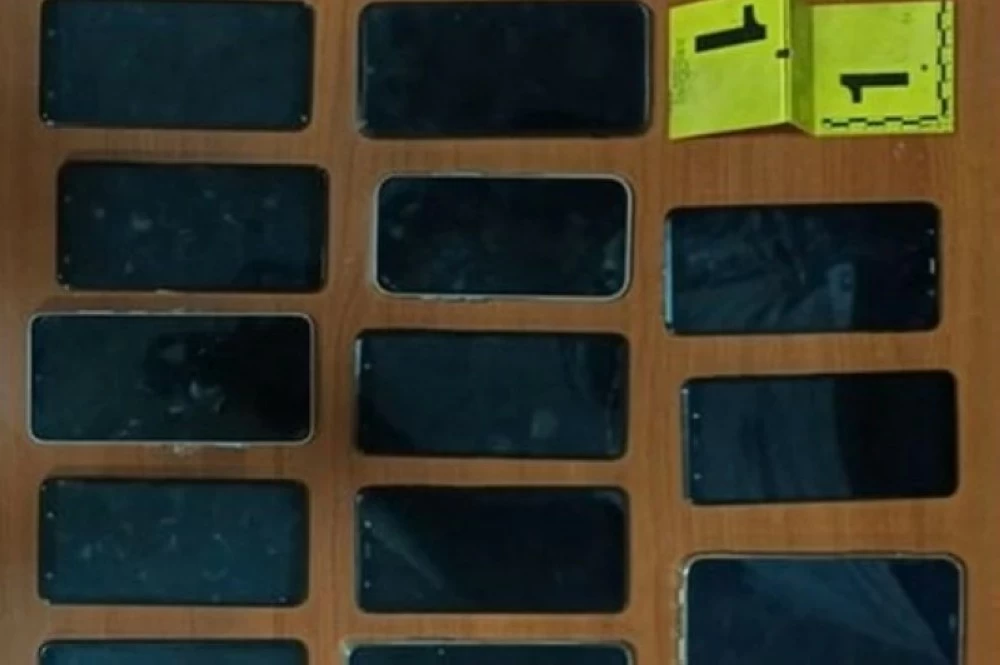
وخلال عمليات التفتيش، حجزت السلطات الأمنية 12 هاتفاً محمولاً يُشتبه في احتوائها على آثار رقمية توثق هذا النشاط الإجرامي، في مؤشر إلى حجم العمليات التي كانت تُدار من وراء الشاشات.
وتشير المعطيات الأولية إلى أن أفراد الشبكة كانوا ينتحلون هويات أشخاص عبر تطبيقات التراسل الفوري، ثم يوجّهون رسائل احتيالية إلى معارف الضحايا، بدعوى ظروف طارئة، لحثهم على تحويل مبالغ مالية إلى حسابات بنكية متعددة، قبل إعادة توزيع العائدات على حسابات مفتوحة داخل المغرب.
والمفاجأة أن العودة إلى قاعدة بيانات الأمن الوطني في المغرب كشفت أن أحد المتهمين مبحوث عنه على الصعيد الوطني بموجب مذكرة صادرة عن الشرطة القضائية، للاشتباه في تورطه في قضية مماثلة.
وقد جرى إيقاف المتهمين بأمر من النيابة العامة المختصة، إلى حين كشف الامتدادات المحتملة لهذه الشبكة وتحديد باقي الأفعال المنسوبة إليهم.
وتعيد القضية التحذير من تصاعد جرائم الاحتيال الرقمي، وتؤكد أن «رسالة واحدة» قد تكون كافية لنسج فخ محكم، إذا لم يتحقق المتلقي قبل التحويل.
In a precise security operation, the Moroccan police in the Marrakech Security District arrested five young men aged between 20 and 29, on suspicion of their involvement in a criminal network specialized in financial fraud through digital platforms, identity theft, and tampering with automated data processing systems.
The security action came after a complaint was filed by a telecommunications contractor, following the detection of repeated fraudulent activities carried out using digital applications. A judicial investigation supported by technical expertise helped unravel the network and identify the suspects before their arrest within the city.
During the search operations, the security authorities seized 12 mobile phones suspected of containing digital traces documenting this criminal activity, indicating the scale of the operations that were being conducted behind the screens.
Initial data suggests that the network members were impersonating individuals through instant messaging applications, then sending fraudulent messages to the victims' acquaintances, claiming emergency situations, to urge them to transfer funds to multiple bank accounts, before redistributing the proceeds to accounts opened within Morocco.
The surprise was that a check of the national security database in Morocco revealed that one of the suspects was wanted at the national level under a warrant issued by the judicial police, on suspicion of involvement in a similar case.
The suspects were arrested by order of the competent public prosecutor, pending the uncovering of the potential extensions of this network and the identification of other acts attributed to them.
This case serves as a warning about the rise of digital fraud crimes and confirms that "one message" could be enough to weave a tight trap if the recipient does not verify before transferring.