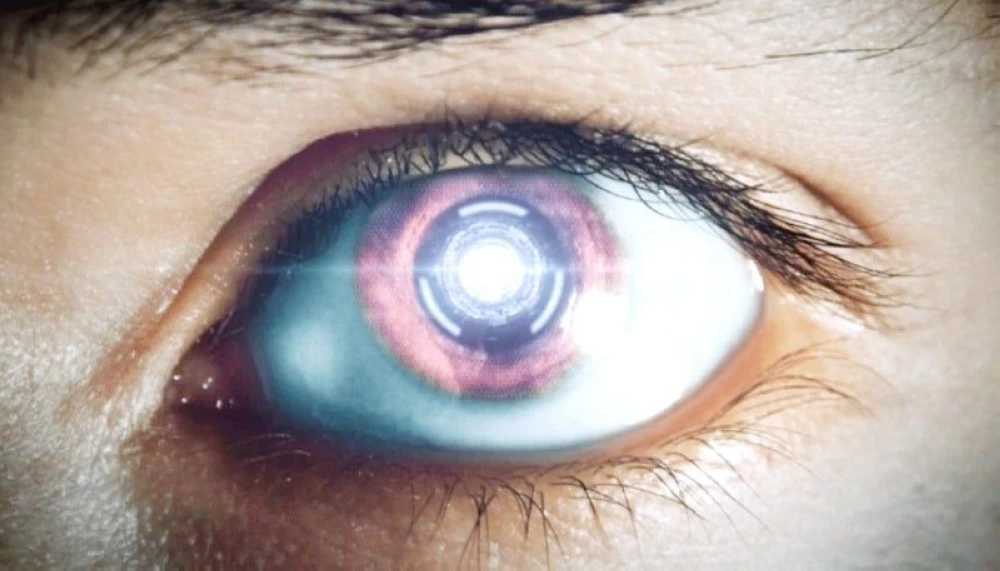
أعلن باحثون صينيون في مجال الإلكترونيات الضوئية، تطوير شريحة استشعار بصرية متقدمة قادرة على معالجة الإشارات الضوئية بسرعة تفوق العين البشرية أضعافاً، في خطوة يُتوقع أن تُحدث تحولاً نوعياً في تقنيات الروبوتات والأنظمة ذاتية القيادة، من خلال تمكينها من تحليل المشاهد المعقدة واتخاذ القرارات اللحظية بدقة أعلى وكفاءة زمنية أكبر.
ويعتمد الابتكار على دمج المعالجة البصرية داخل الشريحة نفسها بدل نقل البيانات إلى وحدات حوسبة منفصلة، ما يقلل زمن الاستجابة واستهلاك الطاقة في آنٍ واحد، وهو تحدٍّ تقني طالما واجه الأنظمة الذكية التي تحتاج إلى توازن بين السرعة والدقة التشغيلية في البيئات الديناميكية.
ويرى مختصون، أن هذه التقنية قد تسهم في تحسين سلامة المركبات ذاتية القيادة، وتعزيز قدرات الروبوتات الصناعية والطبية، إضافة إلى دعم تطبيقات الواقع المعزز والمراقبة الذكية، إذ تتطلب جميعها تحليلاً بصرياً فورياً عالي الدقة لا تستطيع الأنظمة التقليدية توفيره بالكفاءة نفسها.
كما يلفت الباحثون إلى أن التطوير لا يزال في مراحله البحثية، إلا أن نتائجه الأولية تشير إلى إمكانية توسيع استخدام الشرائح البصرية مستقبلاً في الأجهزة الاستهلاكية والأنظمة الدفاعية والطبية، ما يعكس تسارع السباق العالمي نحو حوسبة بصرية أكثر قرباً من طريقة معالجة الدماغ البشري للمعلومات المرئية.
Chinese researchers in the field of optical electronics have announced the development of an advanced optical sensing chip capable of processing light signals at speeds that exceed human vision by multiples, in a step expected to bring about a qualitative shift in robotics and autonomous systems technologies, enabling them to analyze complex scenes and make instantaneous decisions with higher accuracy and greater time efficiency.
The innovation relies on integrating optical processing within the chip itself instead of transferring data to separate computing units, which reduces response time and energy consumption simultaneously, a technical challenge that has long faced intelligent systems needing a balance between speed and operational accuracy in dynamic environments.
Experts believe that this technology could contribute to improving the safety of autonomous vehicles, enhancing the capabilities of industrial and medical robots, in addition to supporting augmented reality applications and smart surveillance, all of which require high-precision instantaneous optical analysis that traditional systems cannot provide with the same efficiency.
The researchers also point out that the development is still in its research phases, but initial results indicate the potential for expanding the use of optical chips in the future in consumer devices, defense systems, and medical applications, reflecting the accelerating global race towards optical computing that is closer to the way the human brain processes visual information.