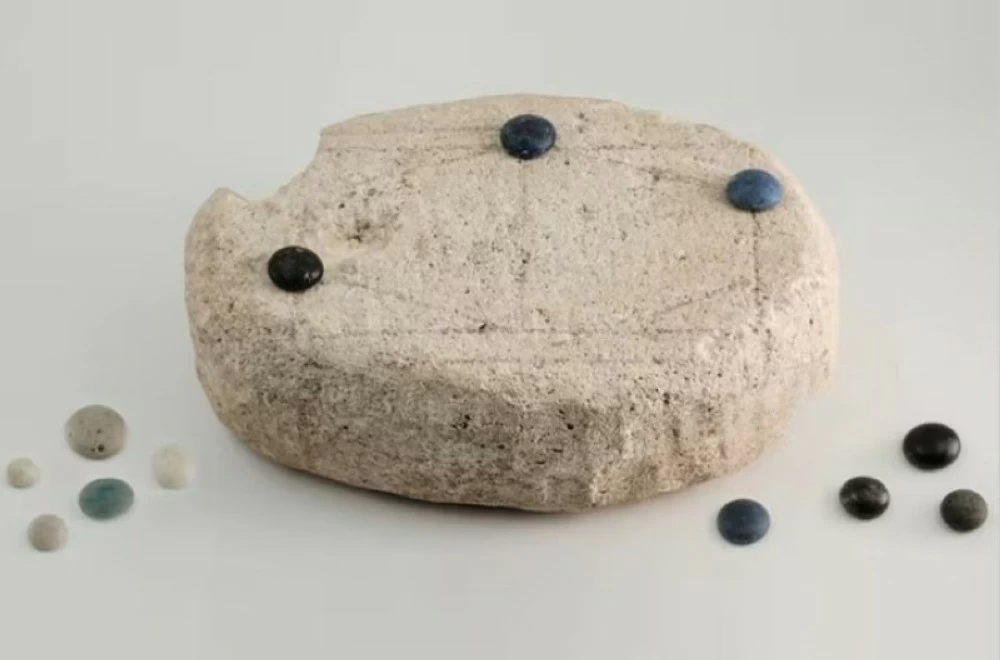
نجح فريق دولي من علماء الآثار في كشف أحد ألغاز الآثار الرومانية التي ظلت محيرة لأكثر من قرن، باستخدام تقنيات الذكاء الاصطناعي المتطورة.
وكشفت دراسة علمية حديثة أن قطعة الحجر الجيري الأبيض الأملس، التي حيرت العلماء بعدما عُثر عليها في مدينة هيرلين الهولندية، التي كانت تُعرف قديماً باسم كوريوفالوم في العصر الروماني، ليست مجرد قطعة معمارية أو زخرفية، بل هي لعبة لوحية قديمة نادرة، وتمكن الباحثون من استنتاج قواعدها المحتملة.
نُشرت الدراسة في مجلة Antiquity العلمية المرموقة، وأجراها فريق بقيادة عالم الآثار والتر كريست من جامعة لايدن، بالتعاون مع باحثين من جامعة ماستريخت ومؤسسات أخرى في بلجيكا وأستراليا.
الحجر الدائري الذي يبلغ قطره نحو 20 سم محفور بنمط من الخطوط المستقيمة والقطرية المتقاطعة، وكان معروضاً في متحف هيت رومينس في هيرلين، حيث اكتشفه علماء الآثار في أواخر القرن الـ19 أو أوائل القرن الـ20، لكنه لم يُعرف إلى أي لعبة معروفة سابقاً، مما جعله لغزاً أثرياً.
كيف تم حل اللغز؟
استخدم الفريق مسحاً ثلاثي الأبعاد عالي الدقة لتحليل عمق الخطوط وأماكن التآكل، وأظهرت النتائج أن بعض الخطوط أعمق بكثير من غيرها، وهو ما يحدث عادة عندما تُحرك قطع اللعبة مرات عديدة على مسارات معينة.
ثم لجأ الباحثون إلى نظام الذكاء الاصطناعي Ludii من جامعة ماستريخت، وهو برنامج متخصص في استنتاج قواعد الألعاب القديمة، وتم تدريب النظام على قواعد أكثر من 100 لعبة قديمة معروفة من الفترة نفسها.
وأجرى الذكاء الاصطناعي آلاف المحاكاة لمباريات افتراضية بين وكلاء ذكاء اصطناعي، وتمت مقارنة أنماط الحركة الناتجة مع أماكن التآكل الفعلية على الحجر.
أهمية الاكتشاف
ونتيجة لذلك، حدد الفريق 9 مجموعات قواعد محتملة تتوافق مع التآكل الموجود، وتصنف اللعبة ضمن فئة ألعاب الحجب، حيث يهدف اللاعب إلى حجب حركة الخصم وتطويقه أو أسره بأقل عدد ممكن من الحركات، إذ تلعب اللعبة بين لاعبين، وتُوصف بأنها «بسيطة ظاهرياً لكنها مثيرة استراتيجياً».
ويُعد هذا الاكتشاف مهماً؛ لأنه يدفع تاريخ انتشار ألعاب الحجب في أوروبا إلى الوراء قروناً، إذ كان يُعتقد سابقاً أنها ظهرت في العصور الوسطى فقط، كما تظهر الدراسة كيف يمكن للذكاء الاصطناعي أن يصبح أداة ثورية في علم الآثار، خصوصاً في فك ألغاز الألعاب القديمة التي لا توجد لها نصوص مكتوبة توضح قواعدها.
An international team of archaeologists has succeeded in uncovering one of the mysteries of Roman artifacts that has puzzled researchers for over a century, using advanced artificial intelligence techniques.
A recent scientific study revealed that the smooth white limestone piece, which baffled scientists after being discovered in the Dutch city of Herleen, formerly known as Coriovallum during the Roman era, is not just an architectural or decorative piece, but rather a rare ancient board game, and researchers were able to deduce its possible rules.
The study was published in the prestigious journal Antiquity and was conducted by a team led by archaeologist Walter Crist from Leiden University, in collaboration with researchers from Maastricht University and other institutions in Belgium and Australia.
The circular stone, measuring about 20 cm in diameter, is engraved with a pattern of straight and intersecting diagonal lines, and was displayed at the Het Romijns Museum in Herleen, where it was discovered by archaeologists in the late 19th or early 20th century, but it was not known to belong to any previously recognized game, making it an archaeological mystery.
How was the mystery solved?
The team used high-resolution 3D scanning to analyze the depth of the lines and the areas of wear, and the results showed that some lines are much deeper than others, which typically occurs when game pieces are moved repeatedly along specific paths.
The researchers then turned to the Ludii artificial intelligence system from Maastricht University, a program specialized in deducing the rules of ancient games, which has been trained on the rules of over 100 known ancient games from the same period.
The AI conducted thousands of simulations of virtual matches between AI agents, and the resulting movement patterns were compared with the actual wear marks on the stone.
The significance of the discovery
As a result, the team identified 9 potential rule sets that correspond with the existing wear, classifying the game within the category of blocking games, where the player aims to block the opponent's movement and encircle or capture them with the fewest possible moves, as the game is played between two players and is described as "superficially simple yet strategically engaging."
This discovery is significant because it pushes back the history of the spread of blocking games in Europe by centuries, as it was previously believed that they only emerged in the medieval period. The study also demonstrates how artificial intelligence can become a revolutionary tool in archaeology, especially in solving the puzzles of ancient games for which no written texts exist to clarify their rules.