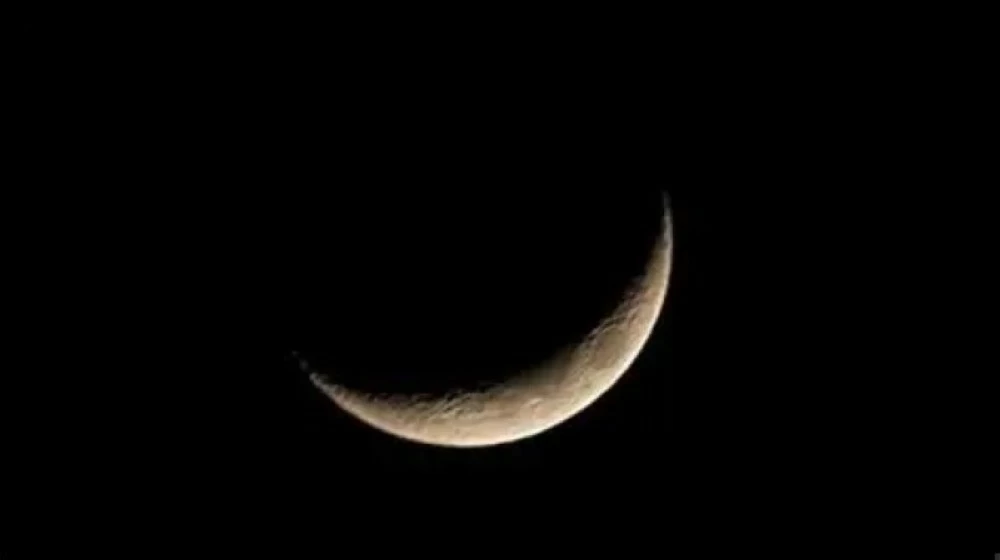
أصدر مركز الفلك الدولي تحذيراً علمياً شديد اللهجة بشأن ظروف رؤية هلال شهر رمضان المبارك لعام 1447هـ، مؤكداً استحالة رؤيته يوم الثلاثاء 17 فبراير، من جميع مناطق العالم العربي والإسلامي، سواء بالعين المجردة أو بالتلسكوب أو حتى باستخدام تقنيات التصوير الفلكي المتقدمة.
وأوضح مركز الفلك الدولي أن السبب الرئيسي يكمن في أن القمر سيغرب قبل الشمس أو معها أو بعدها بدقائق قليلة جداً في معظم المناطق الإسلامية، مما لا يمنح الوقت الكافي لتحوله من طور المحاق إلى طور الهلال القابل للرؤية، مستنداً إلى مجموعة واسعة من المعايير العلمية المحكمة المنشورة في أبحاث دولية.
خطر طبي يهدد الراصدين
التحذير الأكثر خطورة وجهه المركز إلى المراصد الفلكية والمتحرين في الجزيرة العربية ومناطق مشابهة، إذ أكد أن توجيه التلسكوبات أو المناظير نحو موقع القمر القريب جداً من الشمس يُعد مخاطرة كبيرة قد تؤدي إلى عمى دائم أو مؤقت للراصد؛ لأن النظر المباشر نحو الشمس حتى لو كان القمر قريباً منها يسبب أضراراً بالغة في العين، مشيراً إلى أن المراصد الفلكية المحترفة لا تقدم على مثل هذه المحاولات للسبب نفسه.
كما حذّر المركز من احتمال وقوع خلط خطير بين الهلال وكوكب الزهرة اللامع، الذي سيكون قريباً من موقع القمر في السماء الغربية، وهو ما حدث سابقاً في بعض اللجان الرسمية مسبباً شهادات واهمة.
استحالة الرؤية يوم الثلاثاء
وتوقع المركز أن تكون رؤية الهلال يوم الثلاثاء مستحيلة تماماً في المناطق العربية والإسلامية الرئيسية، إذ إنه في الرياض يغرب القمر قبل الشمس بـ42 ثانية فقط، وفي تبوك يغرب مع الشمس تقريباً، وبعد الشمس درجة واحدة فقط، معتبراً ذلك أقل بكثير من الحدود العلمية للرؤية 7.6 درجة للعين المجردة، 6 درجات للتلسكوب.
وأوضح المركز أنه بناء على ذلك يكون يوم الأربعاء متمماً لشهر شعبان في معظم الدول التي تشترط الرؤية الصحيحة، مع إمكانية رؤية الهلال في بعض الدول مثل بنغلادش، باكستان، إيران، المغرب، موريتانيا أو غرة رمضان في دول أخرى.
وتوقع المركز أن يكون يوم الخميس 19 فبراير أول أيام رمضان في معظم الدول العربية والإسلامية التي تعتمد الرؤية الشرعية، مع إمكانية رؤية الهلال بالعين المجردة في مناطق مثل مكة، أبوظبي، عمّان، القاهرة، والرباط، إذ يصل عمر القمر إلى 25-29 ساعة وبعد زاوي مناسب.
The International Astronomical Center issued a strongly worded scientific warning regarding the visibility conditions of the crescent moon for the blessed month of Ramadan in the year 1447 AH, confirming the impossibility of seeing it on Tuesday, February 17, from all areas of the Arab and Islamic world, whether by the naked eye, telescope, or even using advanced astronomical imaging techniques.
The International Astronomical Center explained that the main reason lies in the fact that the moon will set before the sun, or with it, or just a few minutes after it in most Islamic regions, which does not provide enough time for it to transition from the new moon phase to the visible crescent phase, relying on a wide range of rigorous scientific criteria published in international research.
A Medical Danger Threatening Observers
The most serious warning was directed by the center to astronomical observatories and observers in the Arabian Peninsula and similar areas, as it confirmed that directing telescopes or binoculars towards the moon's position, which is very close to the sun, poses a significant risk that could lead to permanent or temporary blindness for the observer; because looking directly at the sun, even if the moon is close to it, causes severe damage to the eyes, noting that professional astronomical observatories do not engage in such attempts for the same reason.
The center also warned of the possibility of a dangerous mix-up between the crescent moon and the bright planet Venus, which will be near the moon's position in the western sky, something that has previously occurred in some official committees, causing misleading testimonies.
Impossibility of Visibility on Tuesday
The center anticipated that the visibility of the crescent on Tuesday would be completely impossible in the main Arab and Islamic regions, as in Riyadh, the moon sets just 42 seconds before the sun, and in Tabuk, it sets almost with the sun, and only one degree after it, considering this to be far below the scientific visibility limits of 7.6 degrees for the naked eye and 6 degrees for the telescope.
The center clarified that based on this, Wednesday will complete the month of Sha'ban in most countries that require accurate sighting, with the possibility of seeing the crescent in some countries like Bangladesh, Pakistan, Iran, Morocco, Mauritania, or the beginning of Ramadan in other countries.
The center expected that Thursday, February 19, would be the first day of Ramadan in most Arab and Islamic countries that rely on legitimate sighting, with the possibility of seeing the crescent with the naked eye in areas such as Mecca, Abu Dhabi, Amman, Cairo, and Rabat, as the age of the moon reaches 25-29 hours and after an appropriate angle.