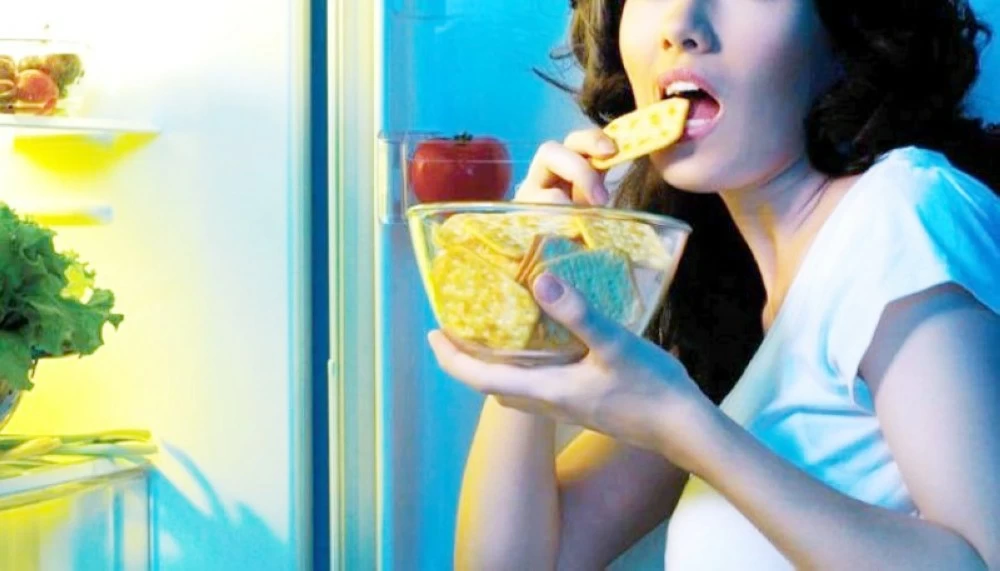
تتزايد التحذيرات الطبية من تناول الطعام في ساعات متأخرة من الليل، بعدما كشفت دراسة حديثة نقلها تقرير علمي في موقع Times of India أن هذه العادة قد تؤثر سلباً في وظائف الدماغ وجودة النوم، بما ينعكس على الذاكرة والتركيز وصفاء النشاط الذهني خلال اليوم التالي.
وتشير نتائج الدراسة إلى أن اضطراب الساعة البيولوجية الناتج عن الأكل الليلي يُربك العمليات العصبية المسؤولة عن تثبيت المعلومات وتنظيم النشاط الدماغي أثناء النوم، وهو ما قد يفسر الشعور بالتعب الذهني وضعف الانتباه لدى من يعتادون تناول وجبات قبل النوم مباشرة. كما يؤكد الباحثون أن ترك فاصل زمني يتراوح بين ساعتين وثلاث ساعات بين آخر وجبة وموعد النوم يمنح الجسم فرصة للهضم وإعادة التوازن الفسيولوجي الضروري للراحة العميقة.
وتخلص الدراسة إلى أن الاستمرار في هذه السلوكيات الغذائية يمثل عامل خطر تراكمياً قد يؤثر في الأداء العقلي على المدى البعيد، داعية إلى إعادة تنظيم توقيت الوجبات بوصفه إجراءً وقائياً بسيطاً لكنه مؤثر في حماية صحة الدماغ وجودة النوم.
Medical warnings about eating late at night are increasing, after a recent study reported by a scientific report on the Times of India website revealed that this habit may negatively affect brain functions and sleep quality, which in turn impacts memory, concentration, and mental clarity the following day.
The study's results indicate that the disruption of the biological clock caused by nighttime eating confuses the neural processes responsible for consolidating information and regulating brain activity during sleep, which may explain the feelings of mental fatigue and decreased attention among those who are accustomed to eating meals right before bedtime. Researchers also confirm that leaving a time gap of two to three hours between the last meal and bedtime gives the body a chance to digest and restore the necessary physiological balance for deep rest.
The study concludes that continuing these eating behaviors represents a cumulative risk factor that may affect cognitive performance in the long term, urging the reorganization of meal timing as a simple yet effective preventive measure to protect brain health and sleep quality.