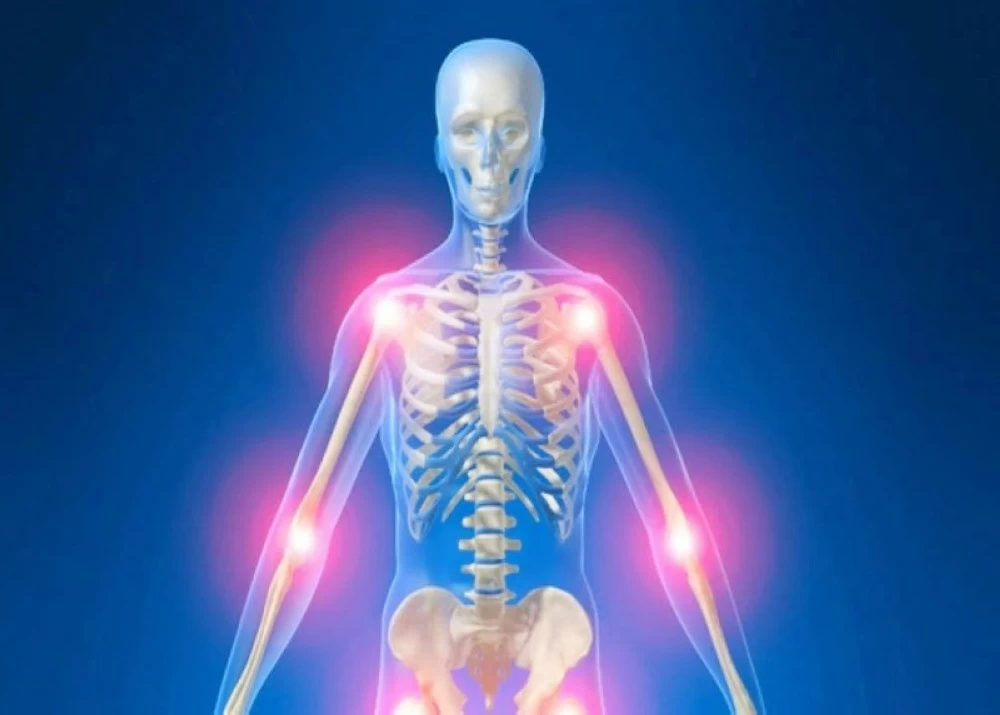
كشفت مراجعة علمية حديثة، نشرتها مجلة ScienceAlert ونقلها تقرير صحي متخصص، أن هناك ارتباطاً بيولوجياً مباشراً بين اضطرابات الاكتئاب وتدهور صحة العظام عبر ما يُعرف بمحور «العظام - الدماغ»، وهو مسار فسيولوجي يوضح التأثير المتبادل بين الحالة النفسية والبنية الهيكلية للجسم.
وبيّنت المراجعة، التي أعدّها ثلاثة أطباء أعصاب صينيين، أن العظام لم تعد مجرد دعامة ميكانيكية، بل أصبحت عضواً نشطاً يفرز إشارات هرمونية وكيميائية قادرة على التأثير في وظائف الدماغ والمزاج والسلوك الإدراكي. وفي المقابل، يمكن للاضطرابات المزاجية المزمنة، وفي مقدمتها الاكتئاب، أن تُحدث تغيرات هرمونية والتهابية تؤثر في توازن البناء والهدم داخل النسيج العظمي، ما يقود تدريجياً إلى انخفاض الكثافة العظمية وزيادة القابلية للكسور. وتشير المعطيات العلمية إلى أن هذا الترابط ثنائي الاتجاه يفتح مجالاً لفهم أوسع للأمراض المزمنة بوصفها شبكات مترابطة لا حالات منفصلة، إذ قد يسهم علاج الاكتئاب في تحسين المؤشرات العظمية، كما أن العناية بصحة العظام تنعكس إيجاباً على الاستقرار النفسي. ويعزز ذلك التوجه نحو نماذج علاجية تكاملية تجمع بين الطب النفسي وطب العظام والوقاية المبكرة، خصوصاً لدى الفئات الأكثر عرضة للهشاشة.
كما تؤكد النتائج أهمية الكشف المبكر والتقييم المتزامن للصحة النفسية والعظمية في الممارسة السريرية، لما لذلك من دور في تقليل المضاعفات طويلة المدى وتحسين جودة الحياة لدى المرضى، إضافة إلى دعم إستراتيجيات الوقاية المجتمعية المرتبطة بالشيخوخة الصحية.
A recent scientific review published by ScienceAlert and reported by a specialized health report revealed a direct biological connection between depression disorders and the deterioration of bone health through what is known as the "bone-brain axis," a physiological pathway that illustrates the mutual influence between mental state and the structural integrity of the body.
The review, prepared by three Chinese neurologists, indicated that bones are no longer just mechanical supports; they have become active organs that secrete hormonal and chemical signals capable of influencing brain functions, mood, and cognitive behavior. Conversely, chronic mood disorders, primarily depression, can induce hormonal and inflammatory changes that affect the balance of bone formation and resorption, gradually leading to decreased bone density and increased susceptibility to fractures. Scientific data suggests that this bidirectional relationship opens up a broader understanding of chronic diseases as interconnected networks rather than separate conditions, as treating depression may improve bone indicators, and caring for bone health positively impacts psychological stability. This supports the shift towards integrative treatment models that combine psychiatry, orthopedics, and early prevention, especially among the most vulnerable groups to fragility.
Furthermore, the results emphasize the importance of early detection and simultaneous assessment of mental and bone health in clinical practice, as this plays a role in reducing long-term complications and improving the quality of life for patients, in addition to supporting community prevention strategies related to healthy aging.