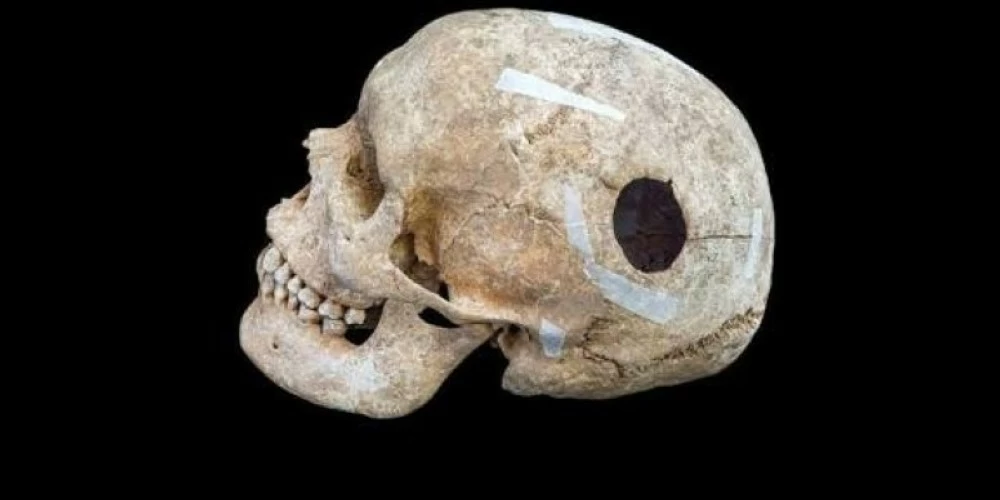
كشف علماء الآثار عمّا قد يُعد دليلاً مذهلاً على إحدى أقدم العمليات الجراحية المعروفة في التاريخ؛ جمجمة بشرية من عصر الفايكنغ مع ثقب جراحي كبير فيها.
الجمجمة تعود لشاب يراوح عمره بين 17 و24 عاماً، عاش في القرن التاسع الميلادي (حوالى 772-891)، ويتميز بطول استثنائي بلغ نحو 195 سنتيمتراً، أي أطول بكثير من متوسط طول الرجال في تلك الحقبة الذي كان يقارب 168 سنتيمتراً.
اكتشاف خلال تدريب طلابي
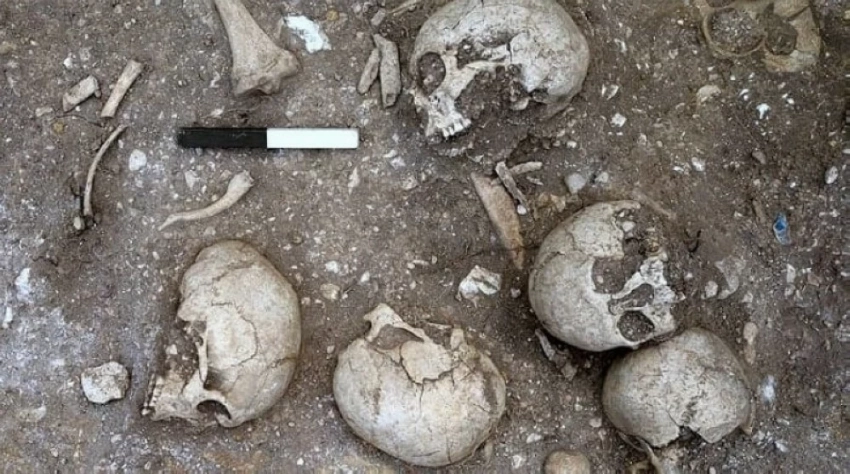
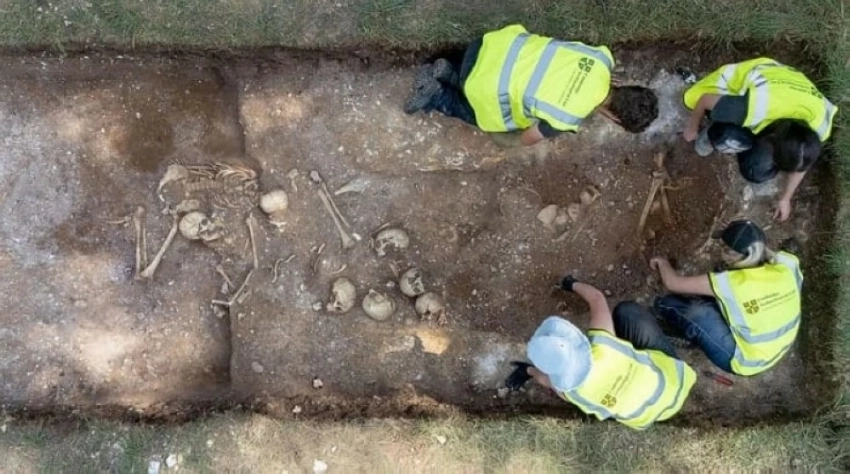
واكتشف الطلبة في جامعة كامبريدج هذه البقايا العام الماضي أثناء حفر تدريبي في حصن واندلبوري العصر الحديدي (Wandlebury Iron Age hill fort) جنوب كامبريدج، ضمن حفرة دفن جماعية مرعبة تضم بقايا ما لا يقل عن 10 أفراد، بينها هياكل كاملة وبعضها مقطعة الأوصال، و«كومة من الأرجل»، ومجموعة من الجماجم المفصولة، وبعض الجثث مربوطة كما يبدو.
ويُعتقد أن الثقب البيضاوي الشكل في الجمجمة، الذي يبلغ قطره نحو 3 سنتيمترات، ناتج عن عملية تريبانيشن (trepanation) القديمة، وهي جراحة تتضمن ثقب الجمجمة الحية لعلاج حالات مثل الصداع النصفي الشديد، النوبات، أو الضغط داخل الجمجمة الناتج عن إصابات أو أورام.
ورم محتمل وضغط داخل الجمجمة
وقالت أمينة مختبر داكوورث في جامعة كامبريدج الدكتورة تريش بيرس: «قد يكون الشاب قد عانى من ورم في الغدة النخامية أدى إلى إفراز زائد لهرمون النمو، ما يفسر طوله الاستثنائي الذي نراه في محاور العظام الطويلة وغيرها من ملامح الهيكل العظمي».
وأضافت أن مثل هذه الحالة تسبب زيادة الضغط داخل الجمجمة، ما يؤدي إلى صداع شديد، وربما كانت العملية الجراحية محاولة لتخفيف هذا الألم، وهو هدف لا يزال شائعاً في علاج إصابات الرأس اليوم.
لغز المقبرة الجماعية
ومع أن حواف الثقب تظهر علامات التئام، ما يدل على أن الرجل نجا من العملية لفترة ما، إلا أنه انتهى به المطاف في هذه الحفرة الجماعية التي يرجح علماء الآثار أنها نتيجة معركة، أو إعدام جماعي، أو عقاب بدني في فترة الصراع الحدودي بين ممالك الأنجلوساكسون والفايكنغ في شرق إنجلترا.
وقال الدكتور أوسكار ألدرد من وحدة الآثار في كامبريدج، الذي قاد الحفريات: «كانت كامبريدجشير منطقة حدودية متنازع عليها بين الممالك الساكسونية والفايكنغ، وشهدت صراعات مستمرة، قد تكون الحفرة مرتبطة بهذه النزاعات، أو ربما كان الموقع مكاناً مقدساً أو تجمعاً معروفاً استخدم لتنفيذ العقوبات، وربما عُرضت بعض الأجزاء المقطوعة كغنائم قبل دفنها».
Archaeologists have revealed what may be an astonishing piece of evidence for one of the oldest known surgical procedures in history; a human skull from the Viking era with a large surgical hole in it.
The skull belongs to a young man aged between 17 and 24 years, who lived in the 9th century AD (approximately 772-891), and is characterized by an exceptional height of about 195 centimeters, which is much taller than the average height of men in that era, which was around 168 centimeters.
Discovery During Student Training
The students at the University of Cambridge discovered these remains last year during a training excavation at the Wandlebury Iron Age hill fort south of Cambridge, within a terrifying mass grave containing the remains of at least 10 individuals, including complete skeletons and some dismembered, a "pile of legs," and a collection of separated skulls, with some bodies seemingly tied up.
It is believed that the oval-shaped hole in the skull, which measures about 3 centimeters in diameter, is the result of an ancient trepanation procedure, a surgery that involves drilling into a living skull to treat conditions such as severe migraines, seizures, or increased intracranial pressure resulting from injuries or tumors.
Possible Tumor and Increased Intracranial Pressure
Dr. Trish Pearce, the curator of the Duckworth Laboratory at the University of Cambridge, said: "The young man may have suffered from a pituitary tumor that led to excessive secretion of growth hormone, which explains the exceptional height we see in the long bone shafts and other skeletal features."
She added that such a condition causes increased intracranial pressure, leading to severe headaches, and the surgical procedure may have been an attempt to alleviate this pain, a goal that remains common in the treatment of head injuries today.
The Mystery of the Mass Grave
Although the edges of the hole show signs of healing, indicating that the man survived the procedure for some time, he ultimately ended up in this mass grave, which archaeologists believe is the result of a battle, a mass execution, or corporal punishment during the border conflicts between the Anglo-Saxon and Viking kingdoms in eastern England.
Dr. Oscar Aldred from the archaeology unit at Cambridge, who led the excavations, said: "Cambridgeshire was a contested border area between the Saxon and Viking kingdoms, witnessing ongoing conflicts; the pit may be related to these disputes, or perhaps the site was a sacred place or a known gathering used for carrying out punishments, and some of the dismembered parts may have been displayed as spoils before burial."