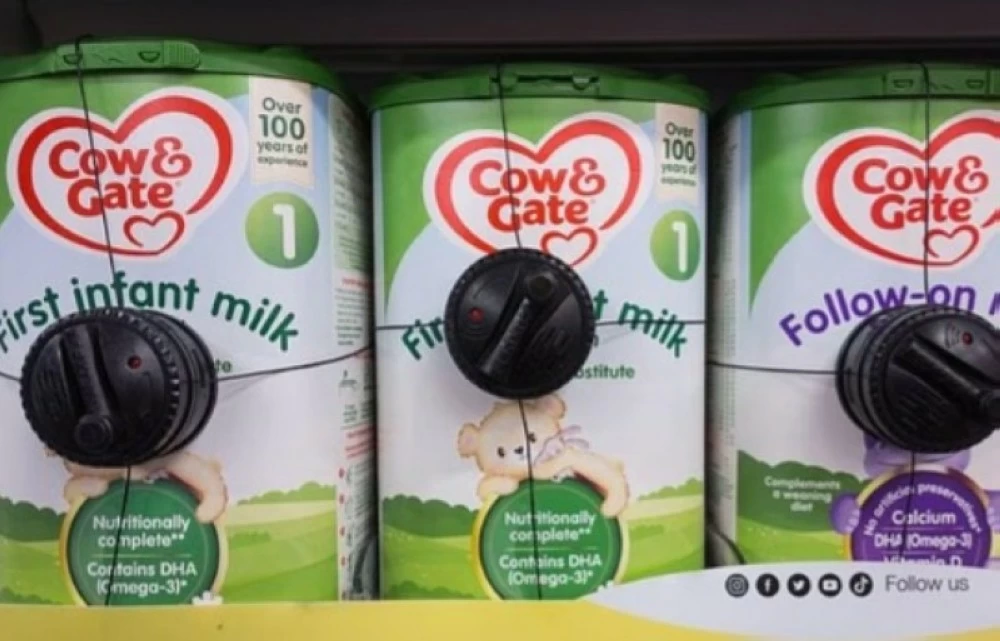
أعلنت شركة دانون سحب دفعات إضافية من منتجات Aptamil وCow & Gate لحليب الأطفال، في ظل تصاعد القلق بعد إصابة عشرات الرضع بأعراض مرضية يُشتبه في ارتباطها بتسمم ناتج عن مادة سامة، أدت إلى نقل بعضهم إلى المستشفى.
وجاء هذا الإجراء بعد يوم واحد من كشف مسؤولي الصحة أن 36 رضيعاً في مختلف أنحاء المملكة المتحدة ظهرت عليهم أعراض تتوافق مع التعرض لسم السيريولايد (Cereulide)، عقب استهلاك حليب أطفال ملوث.
أعراض تسمم الرضع
وقالت وكالة الأمن الصحي البريطانية إنها تلقت 24 بلاغاً في إنجلترا، و7 في اسكتلندا، و3 في ويلز، وحالة واحدة في أيرلندا الشمالية، إضافة إلى حالة في أقاليم التاج البريطاني، وشملت الأعراض المسجلة الغثيان والتقيؤ وآلام البطن، فيما احتاج عدد من الأطفال إلى العلاج في المستشفى.
سحب منتجات حليب أطفال
وفي استجابة سريعة، أصدرت هيئة معايير الغذاء البريطانية تحذيراً عاجلاً دعت فيه الآباء ومقدمي الرعاية إلى التحقق فوراً من أرقام التشغيل (Batch Numbers) والتوقف عن استخدام أي منتجات متأثرة.
ويشمل السحب الحالي دفعات محددة من حليب الأطفال والحليب اللاحق من علامتي Aptamil وCow & Gate، إضافة إلى المنتجات التي سبق أن أعلنت دانون سحبها في وقت سابق، وأوضحت الهيئة أن التفاصيل الكاملة متاحة في إشعارات سحب المنتجات الرسمية الصادرة عنها.
ويأتي هذا التطور بعد عمليات سحب مماثلة نفذتها شركة نستله لعدد من منتجات SMA لحليب الأطفال، بسبب المشكلة ذاتها المتعلقة بالتلوث.
وأكدت السلطات أن جميع الدفعات الأخرى من منتجات Aptamil وCow & Gate وSMA غير المدرجة ضمن إشعارات السحب آمنة للاستخدام، كما أفادت دانون ونستله بأنهما توقفتا عن استخدام المكونات الواردة من المورد المتأثر، وأن المنتجات المتاحة حالياً في الأسواق لا تحتوي على المكوّن الملوث.
ولا تزال متاجر كبرى مثل Tesco وCo-op توفر منتجات بديلة غير متأثرة، ما يعني أن الإمدادات لا تزال متاحة للأسر، إلا أن المسؤولين حذروا من أن الخطر الأكبر يكمن في وجود المنتجات المتأثرة بالفعل داخل المنازل.
دعوات عاجلة
وقالت كايتي بيتيـفر، الرئيسة التنفيذية لهيئة معايير الغذاء: «يرجى التحقق مما إذا كان لديكم حليب أطفال من Aptamil أو Cow & Gate أو SMA في المنزل، من غير المرجح أن تكون الدفعات المتأثرة موجودة على رفوف المتاجر، لكنها قد تكون في خزائنكم».
وأضافت: «في حال امتلاك دفعة متأثرة، لا تستخدموها. يمكن إعادتها إلى المتجر واستبدالها بمنتج غير متأثر، وإذا كان الحليب موصوفاً طبياً، يجب استشارة الطبيب أو الصيدلي قبل تغييره».
مصدر تلوث السيريولايد
وأشارت إلى أن خطر الضرر على الأطفال نتيجة تلوث السيريولايد بهذه المستويات منخفض، لكنه قد يسبب التقيؤ والإسهال، داعية أولياء الأمور إلى التواصل مع الطبيب عند القلق بشأن أي أعراض.
وأوضحت الجهات الصحية أن مصدر التلوث في منتجات دانون ونستله يعود إلى مورد خارجي مشترك في الصين، إذ يُعتقد أن السم ناتج عن زيت حمض الأراكيدونيك (ARA)، وهو حمض دهني من نوع أوميغا-6 يوجد طبيعياً في حليب الأم، ويُضاف اختيارياً إلى حليب الأطفال الصناعي.
ويُنتج زيت ARA عبر التخمير الميكروبي، وهي عملية تعتمد على تنمية بكتيريا معينة، ما قد يؤدي – في حال ضعف الرقابة – إلى تكاثر بكتيريا ضارة تنتج سموماً خطيرة مثل السيريولايد.
سم مقاوم للحرارة
ويُعرف هذا السم بكونه مقاوماً للحرارة بدرجة عالية، ما يعني أن غلي الماء أو تحضير الحليب لا يقضي عليه، كما يؤثر على قدرة الجسم على إنتاج الطاقة، ويرتبط عادة بحالات التسمم الغذائي الناتجة عن الأرز أو المعكرونة أو منتجات الألبان الملوثة.
وأكد المسؤولون الصحيون أنهم يواصلون التحقيق في مصدر التلوث ويراقبون ظهور أي حالات جديدة.
Danone has announced a recall of additional batches of Aptamil and Cow & Gate baby milk products, amid rising concerns after dozens of infants exhibited symptoms of illness suspected to be linked to poisoning from a toxic substance, which led to some being hospitalized.
This action came one day after health officials revealed that 36 infants across the United Kingdom showed symptoms consistent with exposure to the cereulide toxin after consuming contaminated baby milk.
Symptoms of Infant Poisoning
The UK Health Security Agency stated that it received 24 reports in England, 7 in Scotland, 3 in Wales, and one case in Northern Ireland, in addition to one case in the British Crown Dependencies. The recorded symptoms included nausea, vomiting, and abdominal pain, with several children requiring hospital treatment.
Recall of Baby Milk Products
In a swift response, the UK Food Standards Agency issued an urgent warning urging parents and caregivers to immediately check batch numbers and stop using any affected products.
The current recall includes specific batches of baby milk and follow-on milk from the Aptamil and Cow & Gate brands, in addition to products that Danone had previously announced a recall for. The agency clarified that full details are available in the official product recall notices issued by them.
This development follows similar recalls executed by Nestlé for several SMA baby milk products due to the same contamination issue.
Authorities confirmed that all other batches of Aptamil, Cow & Gate, and SMA products not listed in the recall notices are safe for use. Danone and Nestlé have stated that they have ceased using ingredients sourced from the affected supplier, and that the products currently available in stores do not contain the contaminated ingredient.
Major stores like Tesco and Co-op continue to offer unaffected alternative products, meaning that supplies are still available for families. However, officials warned that the greater risk lies in the presence of affected products already in homes.
Urgent Calls
Katie Pettyfer, the Chief Executive of the Food Standards Agency, stated: “Please check if you have Aptamil, Cow & Gate, or SMA baby milk at home. It is unlikely that the affected batches are on store shelves, but they may be in your cupboards.”
She added: “If you have an affected batch, do not use it. You can return it to the store and exchange it for an unaffected product. If the milk is medically prescribed, you should consult a doctor or pharmacist before changing it.”
Source of Cereulide Contamination
She noted that the risk of harm to children from cereulide contamination at these levels is low, but it can cause vomiting and diarrhea, urging parents to contact a doctor if they are concerned about any symptoms.
Health authorities explained that the source of contamination in Danone and Nestlé products is a shared external supplier in China, as the toxin is believed to originate from arachidonic acid (ARA) oil, a fatty acid of the omega-6 type that naturally occurs in breast milk and is optionally added to infant formula.
ARA oil is produced through microbial fermentation, a process that relies on cultivating certain bacteria, which can lead—if oversight is weak—to the proliferation of harmful bacteria that produce dangerous toxins like cereulide.
Heat-Resistant Toxin
This toxin is known to be highly heat-resistant, meaning that boiling water or preparing milk does not eliminate it. It also affects the body's ability to produce energy and is typically associated with food poisoning cases resulting from contaminated rice, pasta, or dairy products.
Health officials confirmed that they are continuing to investigate the source of the contamination and are monitoring for any new cases.