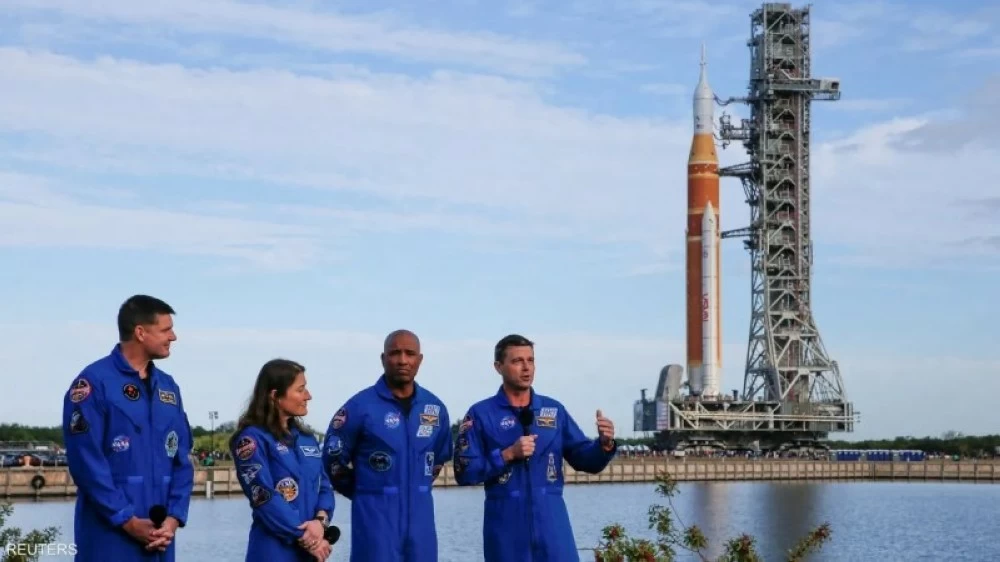
باشرت إدارة الطيران والفضاء الأمريكية «ناسا»، السبت، عدًّا تنازليًا تجريبيًا يمتد ليومين، تمهيدًا لعملية تزويد صاروخها الجديد بالوقود، في اختبار مصيري قد يحسم موعد انطلاق أربعة رواد فضاء في أول رحلة مأهولة إلى القمر منذ عام 1972.
ويقود المهمة رائد الفضاء ريد وايزمان إلى جانب طاقمه، الذين يخضعون حاليًا للحجر الصحي تفاديًا لأي مخاطر صحية، استعدادًا لرحلة تاريخية تعيد الإنسان إلى مدار القمر بعد أكثر من خمسة عقود من الغياب.
وكان صاروخ «نظام الإطلاق الفضائي»، البالغ طوله 98 مترًا، قد نُقل إلى منصة الإطلاق قبل أسبوعين، على أن يُملأ خزانه بأكثر من 700 ألف غالون من الوقود فائق البرودة. وفي حال نجاح اختبار التزويد بالوقود المقرر يوم الإثنين، قد تحاول «ناسا» تنفيذ الإطلاق خلال أسبوع واحد فقط.
وتسببت موجة برد قارس في تأجيل عمليات التزويد والإطلاق لمدة يومين، ليصبح الثامن من فبراير أقرب موعد محتمل لانطلاق المهمة.
وسينطلق رواد الفضاء الأمريكيون والكنديون على متن كبسولة «أوريون» في رحلة تستغرق نحو عشرة أيام، يدورون خلالها حول القمر قبل العودة مباشرة إلى الأرض والهبوط في مياه المحيط الهادئ.
يُذكر أن «ناسا» أرسلت 24 رائد فضاء إلى القمر ضمن برنامج «أبولو» بين عامي 1968 و1972، مشى 12 منهم على سطحه، في واحدة من أعظم مغامرات البشرية.
The American space agency "NASA" began a two-day countdown on Saturday, preparing for the fueling of its new rocket in a critical test that could determine the launch date of four astronauts on the first crewed mission to the moon since 1972.
The mission is led by astronaut Reid Wiseman along with his crew, who are currently in quarantine to avoid any health risks, in preparation for a historic journey that will return humans to lunar orbit after more than five decades of absence.
The "Space Launch System" rocket, which stands 98 meters tall, was transported to the launch pad two weeks ago, and its tank is set to be filled with more than 700,000 gallons of super-cooled fuel. If the fueling test scheduled for Monday is successful, "NASA" may attempt to launch within just one week.
A severe cold wave has delayed the fueling and launch operations by two days, making February 8 the earliest possible date for the mission's launch.
American and Canadian astronauts will embark on a journey aboard the "Orion" capsule that will last about ten days, during which they will orbit the moon before returning directly to Earth and landing in the waters of the Pacific Ocean.
It is worth noting that "NASA" sent 24 astronauts to the moon as part of the "Apollo" program between 1968 and 1972, with 12 of them walking on its surface, in one of humanity's greatest adventures.