ظلّت جراحات العمود الفقري لسنوات طويلة مرتبطة في أذهان المرضى بالخوف، وطول فترة التعافي، واحتمالات المضاعفات، إلا أن التطور الطبي في تقنيات الجراحة الدقيقة غيّر هذه الصورة بشكل جذري، وفتح باباً جديداً لعلاج آلام الظهر والانزلاق الغضروفي وضغط الأعصاب بأساليب أقل تدخلاً وأكثر أماناً.
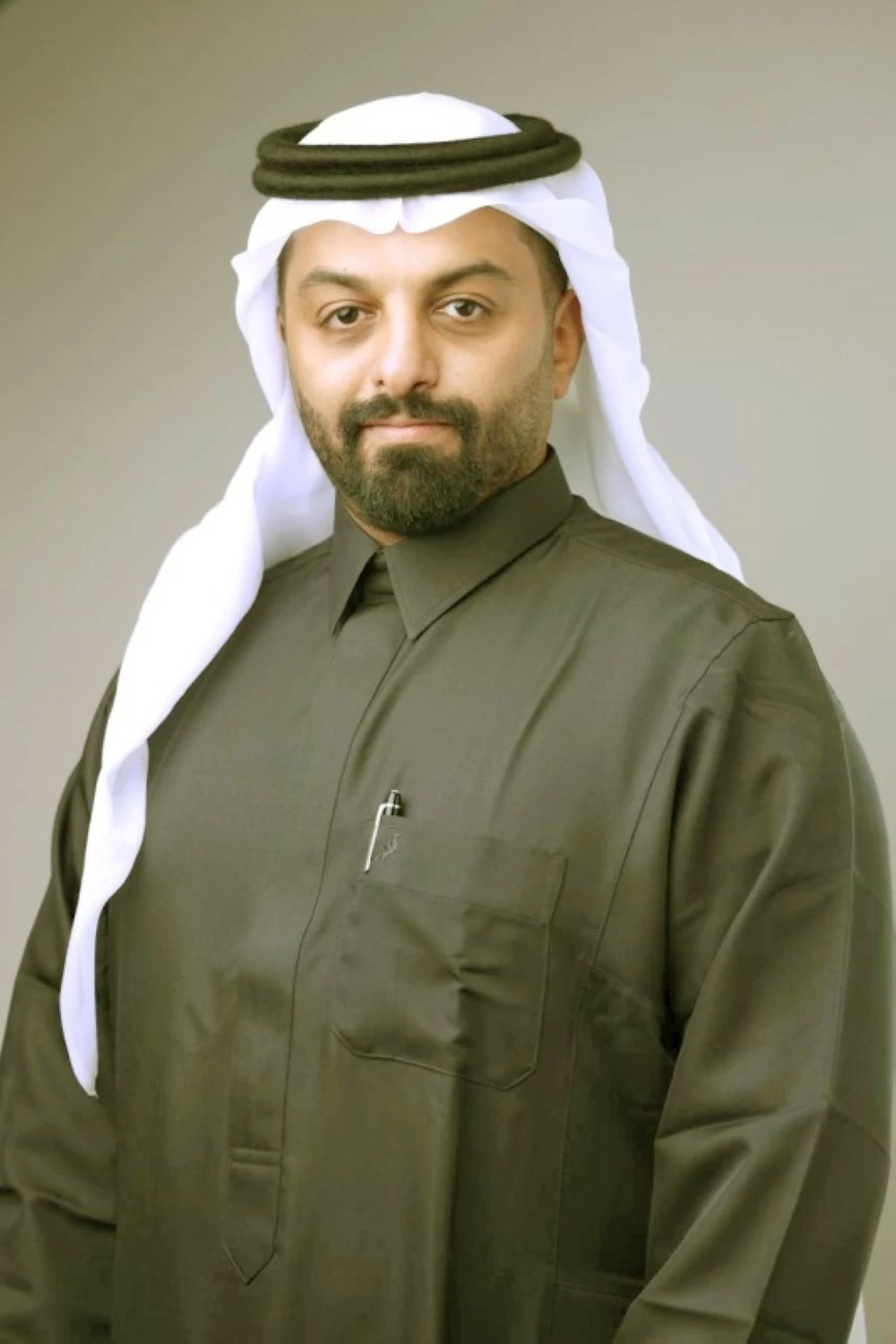
وأوضح استشاري جراحة العمود الفقري الدكتور محمد السواط، أن الطب الحديث نقل هذا النوع من العمليات من الجراحات المفتوحة الواسعة إلى تدخلات محدودة تعتمد على فتحات صغيرة جداً، واستخدام كاميرات عالية الدقة وأدوات جراحية متناهية الصغر للوصول مباشرة إلى موقع المشكلة دون إحداث ضرر واسع في الأنسجة المحيطة.
وبيّن السواط، أن حالات شائعة مثل الانزلاق الغضروفي، وتضيّق القناة الشوكية، وضغط الأعصاب يمكن التعامل معها اليوم عبر تقنيات المنظار الجراحي أو الجراحة الميكروسكوبية، حيث تستغرق بعض العمليات أقل من ساعة، ويتمكن المريض في كثير من الحالات من الوقوف والمشي في اليوم نفسه، مع تقليل الحاجة إلى البقاء الطويل في المستشفى.
وأشار إلى أن العمود الفقري ليس مجرد هيكل عظمي، بل منظومة عصبية دقيقة تنقل الإشارات الحركية والحسية إلى مختلف أجزاء الجسم، وعندما يتم تخفيف الضغط عن الأعصاب بطريقة صحيحة، تبدأ الأعراض المؤلمة مثل التنميل وضعف الحركة والآلام المزمنة في التراجع بشكل ملحوظ، ما ينعكس مباشرة على جودة حياة المريض وقدرته على العودة إلى نشاطه الطبيعي.
For many years, spinal injuries have been associated in the minds of patients with fear, long recovery periods, and the likelihood of complications. However, advancements in medical technology for precise surgical techniques have radically changed this perception, opening a new avenue for treating back pain, herniated discs, and nerve compression with less invasive and safer methods.
Dr. Mohammed Al-Sawat, a consultant spine surgeon, explained that modern medicine has shifted this type of surgery from extensive open surgeries to limited interventions that rely on very small incisions, using high-definition cameras and extremely small surgical instruments to directly access the site of the problem without causing extensive damage to the surrounding tissues.
Al-Sawat indicated that common conditions such as herniated discs, spinal canal stenosis, and nerve compression can now be addressed through techniques like endoscopic surgery or microsurgery, where some procedures take less than an hour, and in many cases, the patient can stand and walk on the same day, significantly reducing the need for prolonged hospital stays.
He pointed out that the spine is not just a skeletal structure, but a delicate nervous system that transmits motor and sensory signals to various parts of the body. When pressure on the nerves is relieved correctly, painful symptoms such as numbness, weakness of movement, and chronic pain begin to noticeably diminish, which directly reflects on the patient's quality of life and their ability to return to their normal activities.