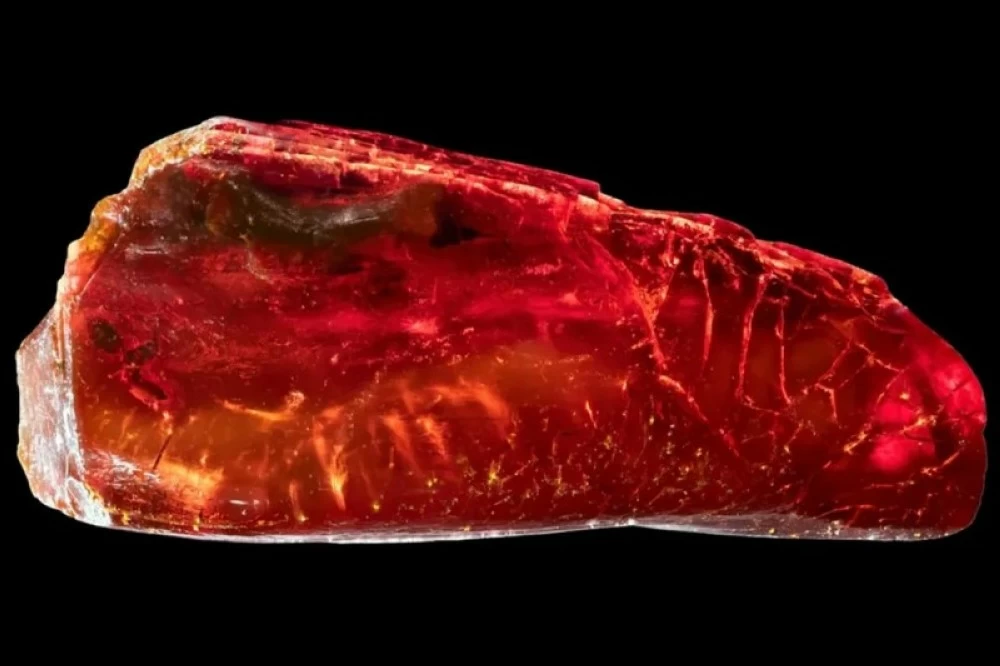
تمكّن باحثون من اكتشاف قطعة كهرمان نادرة يعود عمرها إلى نحو 40 مليون سنة، تضم بداخلها نملة منقرضة محفوظة بدقة استثنائية، إلى جانب بعوضة فطرية وذبابة سوداء، في واحدة من أدق الاكتشافات الأحفورية المعروفة حتى اليوم. وتُعد هذه العيّنة أفضل نموذج معروف للنوع المنقرض Ctenobethylus goepperti، بحسب ما أوردته صحيفة «ذا صن».
وأتاحت حالة الحفظ شبه الكاملة للعلماء فرصة غير مسبوقة لفحص البنية الداخلية لرأس وجسم النملة، باستخدام تقنيات التصوير ثلاثي الأبعاد، ما أسفر عن صور تفصيلية لم يُسبق توثيقها لأي نملة متحجرة من قبل.
وتزداد أهمية الاكتشاف بعد أن تبيّن أن قطعة الكهرمان كانت ضمن مجموعة شخصية للأديب الألماني الشهير يوهان فولفغانغ فون غوته، الذي اقتنى قرابة 40 قطعة كهرمان، لتكشف التقنيات العلمية الحديثة اليوم كنوزاً بيولوجية ظلّت مخفية لعقود طويلة داخل هذا الإرث الثقافي.
وأظهرت نتائج الدراسة أن النملة تنتمي إلى فئة «العاملات»، وتشترك في سمات عديدة مع أنواع النمل المعاصرة، ويُرجّح أنها كانت تعيش في غابات صنوبر دافئة. كما يشير شكل فكّيها القوي إلى قدرتها على الحفر أو النقر في الخشب، ما يسلّط الضوء على سلوكها وطبيعة بيئتها قبل ملايين السنين.
Researchers have discovered a rare piece of amber that is approximately 40 million years old, containing an exceptionally well-preserved extinct ant, along with a fungal mosquito and a black fly, in one of the most precise fossil discoveries known to date. This specimen is considered the best-known example of the extinct species Ctenobethylus goepperti, according to the newspaper "The Sun".
The nearly complete state of preservation provided scientists with an unprecedented opportunity to examine the internal structure of the ant's head and body using 3D imaging techniques, resulting in detailed images that have never been documented for any fossilized ant before.
The significance of the discovery increases after it was revealed that the piece of amber was part of the personal collection of the famous German writer Johann Wolfgang von Goethe, who owned about 40 pieces of amber, allowing modern scientific techniques to uncover biological treasures that had remained hidden for decades within this cultural heritage.
The study's results showed that the ant belongs to the "worker" category and shares many traits with contemporary ant species, suggesting that it lived in warm pine forests. Additionally, the shape of its strong jaws indicates its ability to burrow or gnaw into wood, shedding light on its behavior and the nature of its environment millions of years ago.