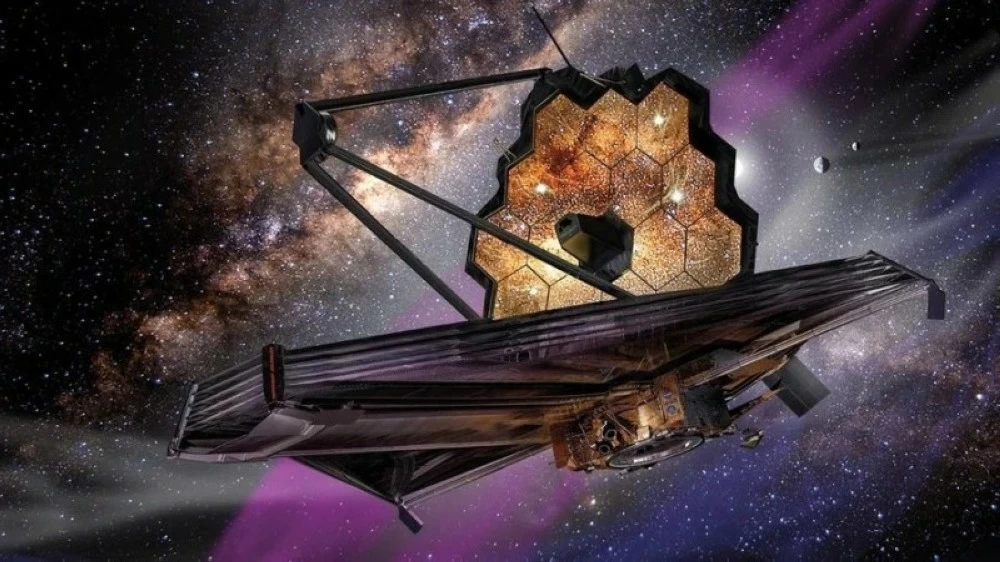
نجح تلسكوب جيمس ويب الفضائي التابع لناسا، ووكالتي الفضاء الأوروبية والكندية، في تحقيق إنجاز فلكي جديد بتأكيد رصد مجرة MoM-z14، التي تعتبر حالياً أبعد جسم فلكي تم رصده وتأكيده بشكل قاطع في الكون، محطماً بذلك الرقم القياسي السابق الذي سجله التلسكوب نفسه.
ووفقاً للدراسة التي نشرتها مجلة «لايف ساينس» يبلغ الانزياح الأحمر لهذه المجرة 14.44 مما يعني أن الضوء المنبعث منها استغرق أكثر من 13.5 مليار سنة ضوئية للوصول إلينا، ونراها كما كانت قبل نحو 280 مليون سنة فقط بعد الانفجار العظيم، أي عندما كان عمر الكون لا يتجاوز 2% من عمره الحالي المقدر بنحو 13.8 مليار سنة.
رقم قياسي جديد
وتم التأكد من المجرة MoM-z14 طيفياً، التي اكتشفت ضمن حقل COSMOS Legacy Field في 16 مايو 2025 بقيادة الباحث روهان نايدو من معهد ماساتشوستس للتكنولوجيا، باستخدام كاميرا الأشعة تحت الحمراء القريبة، والمطياف تحت الحمراء القريب على متن التلسكوب.
ويُعد الانزياح الأحمر مقياساً لمدى تمدد الكون؛ كلما ارتفع الرقم، كلما كان الجسم أبعد زمنياً ومكانياً، إذ كان الرقم السابق يعود لمجرة JADES-GS-z14-0 بانزياح أحمر 14.18 حوالى 300 مليون سنة بعد الانفجار العظيم، والتي كانت تحمل الرقم القياسي حتى وقت قريب.
حجم صغير وثروات هائلة
ورغم سطوعها الكبير، فإن MoM-z14 مجرة صغيرة الحجم ومدمجة، إذ يبلغ عرضها نحو 240 سنة ضوئية فقط، أي أنها أصغر من مجرتنا «درب التبانة» بنحو 400 مرة، لكنها تحتوي على كتلة هائلة تعادل تقريباً كتلة مجرة «سحابة ماجلان الصغيرة» القزمة التابعة لمجرتنا.
كما كشف التحليل الطيفي أن المجرة تشهد طفرة هائلة في تكوين النجوم، وتتميز بغناها النسبي بعنصر النيتروجين مقارنة بالكربون، وهي سمة تشبه تلك الموجودة في العناقيد النجمية الكروية القديمة داخل مجرتنا، وهذا التشابه قد يسلط الضوء على آليات تكوين النجوم الأولى في الكون.
جيمس ويب يكشف أسرار الكون
وقال الباحث الرئيسي روهان نايدو: «مع تلسكوب ويب، نرى أبعد مما رآه الإنسان من قبل، ويبدو الكون مختلفاً تماماً عما توقعناه، وهذا أمر مثير ومحفز للتحدي في آنٍ واحد».
ومنذ بدء عملياته العلمية في 2022، دأب تلسكوب جيمس ويب على رصد عدد من المجرات القديمة الساطعة يفوق بكثير ما كان متوقعاً نظرياً، ما يدفع العلماء لإعادة النظر في نماذجهم لتكون المجرات في فجر الكون.
ويُظهر هذا الاكتشاف أن تشكل المجرات الكبيرة والمضيئة حدث بشكل أسرع بكثير مما كانت تنبئ به النماذج التقليدية، مما يدفع العلماء لإعادة النظر في فهمهم لـ«فجر الكون»، الفترة التي ظهرت فيها أول النجوم والمجرات.
The James Webb Space Telescope, operated by NASA and the European and Canadian space agencies, has achieved a new astronomical milestone by confirming the observation of the galaxy MoM-z14, which is currently the farthest astronomical object ever observed and confirmed in the universe, thus breaking the previous record set by the telescope itself.
According to a study published by "Live Science," the redshift of this galaxy is 14.44, which means that the light emitted from it took more than 13.5 billion light-years to reach us, and we see it as it was about 280 million years after the Big Bang, when the universe was only about 2% of its current estimated age of around 13.8 billion years.
New Record
The galaxy MoM-z14 was confirmed spectroscopically, having been discovered within the COSMOS Legacy Field on May 16, 2025, led by researcher Rohan Naidu from the Massachusetts Institute of Technology, using the near-infrared camera and the near-infrared spectrograph onboard the telescope.
The redshift is a measure of how much the universe is expanding; the higher the number, the farther the object is in time and space. The previous record was held by the galaxy JADES-GS-z14-0 with a redshift of 14.18, approximately 300 million years after the Big Bang, which held the record until recently.
Small Size and Huge Wealth
Despite its great brightness, MoM-z14 is a small and compact galaxy, with a diameter of only about 240 light-years, making it roughly 400 times smaller than our Milky Way galaxy. However, it contains a massive amount of mass equivalent to nearly that of the "Small Magellanic Cloud," a dwarf galaxy associated with our own.
Spectral analysis has revealed that the galaxy is experiencing a tremendous burst of star formation and is relatively rich in nitrogen compared to carbon, a characteristic similar to that found in ancient globular star clusters within our galaxy. This similarity may shed light on the mechanisms of early star formation in the universe.
James Webb Unveils the Secrets of the Universe
Lead researcher Rohan Naidu stated, "With the Webb telescope, we see farther than humanity has ever seen before, and the universe looks completely different from what we expected, which is both exciting and a challenge at the same time."
Since it began its scientific operations in 2022, the James Webb Telescope has been observing a number of ancient bright galaxies far exceeding what was theoretically expected, prompting scientists to reconsider their models for galaxy formation in the dawn of the universe.
This discovery shows that the formation of large and bright galaxies occurred much faster than traditional models predicted, leading scientists to reevaluate their understanding of the "dawn of the universe," the period when the first stars and galaxies appeared.