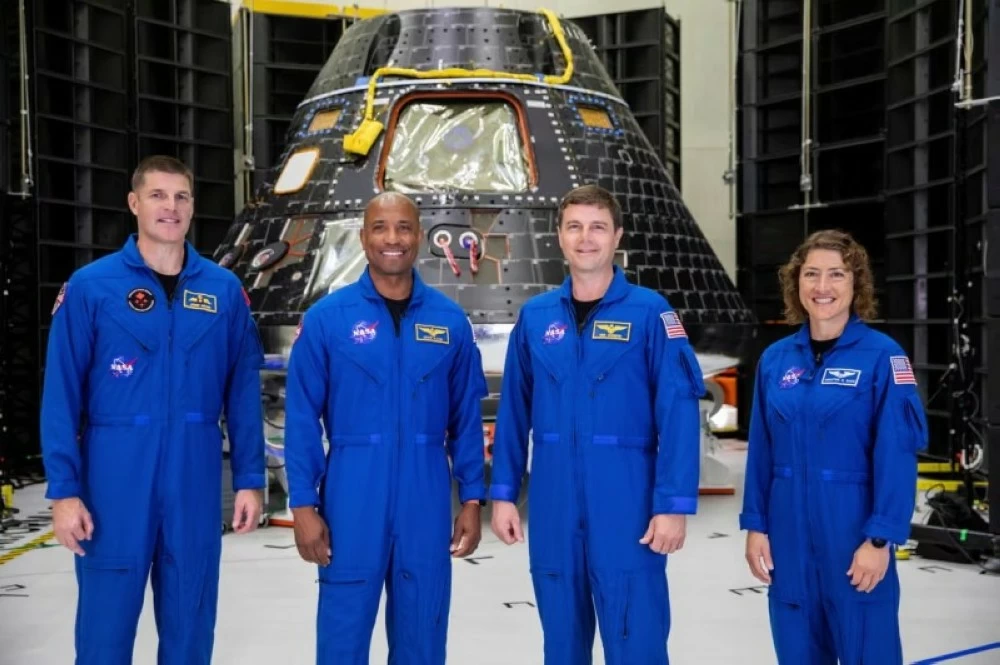
تستعد وكالة الفضاء الأمريكية «ناسا» لإطلاق أقوى صاروخ صنعته على الإطلاق، في مهمة تاريخية تهدف إلى إرسال رواد فضاء في رحلة حول القمر والعودة إلى الأرض، للمرة الأولى منذ أكثر من 50 عاماً.
ومن المقرر أن تنطلق مهمة «أرتميس 2» من مركز كينيدي الفضائي بولاية فلوريدا في موعد لا يتجاوز السادس من فبراير القادم، حيث سيقطع الطاقم رحلة تبلغ نحو 685 ألف ميل ذهاباً وإياباً، تستمر نحو عشرة أيام، وتنتهي بهبوط المركبة في مياه المحيط الهادئ.
ثاني اختبار لصاروخ الإطلاق الفضائي SLS
وتمثل هذه الرحلة ثاني اختبار لصاروخ نظام الإطلاق الفضائي(SLS)، والأول الذي يحمل على متنه طاقماً بشرياً، كما سيعيش 4 رواد فضاء داخل كبسولة «أوريون»، حيث سيختبرون أنظمة دعم الحياة والاتصالات، إضافة إلى تنفيذ تدريبات على مناورات الالتحام في الفضاء.
وقال جاريد آيزاكمان، الملياردير ورائد الفضاء الخاص الذي أدى اليمين كمدير لوكالة ناسا في ديسمبر الماضي، إن المهمة تُعد «واحدة من أهم رحلات الفضاء المأهولة خلال نصف القرن الأخير».
أول امرأة وأول رجل صاحب بشرة سمراء
ويضم طاقم المهمة ثلاثة رواد فضاء من ناسا هم ريد وايزمان، وفيكتور غلوفر، وكريستينا كوك، إضافة إلى رائد الفضاء الكندي جيريمي هانسن، الذي يشارك في رحلته الفضائية الأولى، وستصبح كوك أول امرأة، وغلوفر أول شخص من ذوي البشرة الملوّنة، يسافران إلى ما بعد المدار الأرضي المنخفض.
ورغم أن المهمة لا تتضمن الهبوط على سطح القمر أو الدخول في مداره، فإن الطاقم سيكون أول من يلتف حول القمر منذ مهمة «أبولو 17» عام 1972.
وتأتي «أرتميس 2» استكمالاً لرحلة تجريبية غير مأهولة أُجريت عام 2022، وتمهيداً لمهمة «أرتميس 3» التي تهدف إلى إنزال رواد فضاء قرب القطب الجنوبي للقمر في أقرب وقت ممكن بدءاً من العام القادم.
وقال جون هانيكت، رئيس فريق إدارة مهمة «أرتميس 2»، خلال مؤتمر صحفي: «هذه هي الأيام التي نعيش من أجلها، نحن نصنع التاريخ».
خطوة نحو الحلم الأكبر
من جانبه، وصف ديفيد باركر، الرئيس السابق لوكالة الفضاء البريطانية، المهمة بأنها «خطوة نحو الحلم الأكبر المتمثل في استكشاف بشري وروبوتي مستدام للقمر، ومن ثم التوجه إلى المريخ».
ويرى بعض المراقبين أن العودة إلى القمر تمثل سباق فضاء جديداً، في ظل المنافسة مع الصين التي أعلنت نيتها إرسال رواد فضاء إلى القمر بحلول عام 2030. وفي هذا السياق، قال شون دافي، المدير المؤقت السابق لناسا: «لن نسمح للصين بأن تسبق أمريكا إلى القمر.. سنفوز».
ويبلغ ارتفاع صاروخ «SLS» مع كبسولة «أوريون» نحو 100 متر، ويحمل كميات من الوقود السائل تكفي لملء مسبح أولمبي، وتصل قوته الدافعة إلى سرعات تقارب 24,500 ميل في الساعة، ما يسمح له بالوصول إلى القمر.
وقبل الإطلاق، تبدأ مرحلة نقل الصاروخ من مبنى التجميع إلى منصة الإطلاق، في رحلة تمتد أربعة أميال وتستغرق ما يصل إلى 12 ساعة، باستخدام ناقلة مجنزرة عملاقة تزن آلاف الأطنان.
اختبارات دقيقة
وستخضع المركبة لسلسلة اختبارات دقيقة، تشمل تعبئتها بأكثر من 700 ألف غالون من الوقود وإجراء عدٍّ تنازلي تجريبي، وفي حال ظهور مشكلات تقنية كبيرة، قد يُعاد الصاروخ إلى مبنى التجميع لإجراء الإصلاحات اللازمة.
وأكد مسؤولو ناسا أن سلامة الطاقم ستظل «الأولوية القصوى»، مشيرين إلى وجود 14 موعداً احتياطياً للإطلاق في حال تأجيل الموعد الأساسي بسبب الطقس أو العوامل التقنية.
وبعد الإقلاع، سيدور الطاقم مرتين حول الأرض قبل الانفصال عن المرحلة العليا للصاروخ، ليقودوا المركبة يدوياً في مناورة اختبارية تحاكي مهمات الالتحام المستقبلية في مدار القمر، ثم تدفع وحدة الخدمة الأوروبية المركبة في مسارها نحو القمر، حيث ستدور حول جانبه البعيد قبل العودة إلى الأرض في مسار يشبه الرقم ثمانية.
وخلال الرحلة، سيجري الرواد تدريبات طوارئ، ويختبرون ملجأ الإشعاع المصمم لحمايتهم من العواصف الشمسية.
وبعد أكثر من خمسة عقود على آخر رحلة بشرية إلى القمر، تعود الإثارة – وربما بعض القلق – إلى عالم الفضاء، ويختصر باركر المشهد بقوله: «كل إطلاق صاروخ لحظة توتر، لكنني واثق أن ناسا لن تُقلع إلا عندما تكون جاهزة تماماً».
The American space agency "NASA" is preparing to launch the most powerful rocket it has ever built, in a historic mission aimed at sending astronauts on a journey around the Moon and back to Earth, for the first time in over 50 years.
The "Artemis 2" mission is scheduled to launch from the Kennedy Space Center in Florida no later than February 6, where the crew will embark on a journey of approximately 685,000 miles round trip, lasting about ten days, culminating in the spacecraft landing in the waters of the Pacific Ocean.
Second test of the Space Launch System (SLS) rocket
This flight represents the second test of the Space Launch System (SLS) rocket, and the first to carry a human crew on board. Four astronauts will live inside the "Orion" capsule, where they will test life support and communication systems, in addition to conducting training on docking maneuvers in space.
Jared Isaacman, the billionaire and private astronaut who was sworn in as NASA's director last December, stated that the mission is "one of the most important crewed spaceflights in the last half-century."
First woman and first man of color
The mission crew includes three NASA astronauts: Reid Wiseman, Victor Glover, and Christina Koch, along with Canadian astronaut Jeremy Hansen, who is participating in his first spaceflight. Koch will become the first woman, and Glover the first person of color, to travel beyond low Earth orbit.
Although the mission does not involve landing on the Moon's surface or entering its orbit, the crew will be the first to circle the Moon since the "Apollo 17" mission in 1972.
The "Artemis 2" mission follows an uncrewed test flight conducted in 2022, paving the way for the "Artemis 3" mission, which aims to land astronauts near the Moon's south pole as soon as next year.
John Honeycutt, head of the "Artemis 2" mission management team, said during a press conference: "These are the days we live for; we are making history."
A step towards the bigger dream
David Parker, the former head of the UK Space Agency, described the mission as "a step towards the bigger dream of sustainable human and robotic exploration of the Moon, and then heading to Mars."
Some observers see the return to the Moon as a new space race, amid competition with China, which has announced its intention to send astronauts to the Moon by 2030. In this context, Sean Duffy, former acting director of NASA, stated: "We will not allow China to beat America to the Moon... We will win."
The "SLS" rocket, along with the "Orion" capsule, stands about 100 meters tall and carries enough liquid fuel to fill an Olympic-sized swimming pool, with a thrust capable of reaching speeds of nearly 24,500 miles per hour, allowing it to reach the Moon.
Before the launch, the rocket will be transported from the assembly building to the launch pad, in a journey spanning four miles that can take up to 12 hours, using a massive crawler transporter weighing thousands of tons.
Precise tests
The spacecraft will undergo a series of precise tests, including being filled with over 700,000 gallons of fuel and conducting a practice countdown. If significant technical issues arise, the rocket may be returned to the assembly building for necessary repairs.
NASA officials confirmed that the crew's safety will remain "the top priority," noting that there are 14 backup launch dates in case the primary date is postponed due to weather or technical factors.
After liftoff, the crew will orbit the Earth twice before separating from the rocket's upper stage, manually piloting the spacecraft in a test maneuver simulating future docking missions in lunar orbit, before the European service module propels the spacecraft on its trajectory toward the Moon, where it will orbit its far side before returning to Earth in a path resembling the number eight.
During the journey, the astronauts will conduct emergency drills and test the radiation shelter designed to protect them from solar storms.
After more than five decades since the last human mission to the Moon, excitement – and perhaps some anxiety – returns to the world of space, with Parker summarizing the scene by saying: "Every rocket launch is a moment of tension, but I am confident that NASA will only launch when it is completely ready."