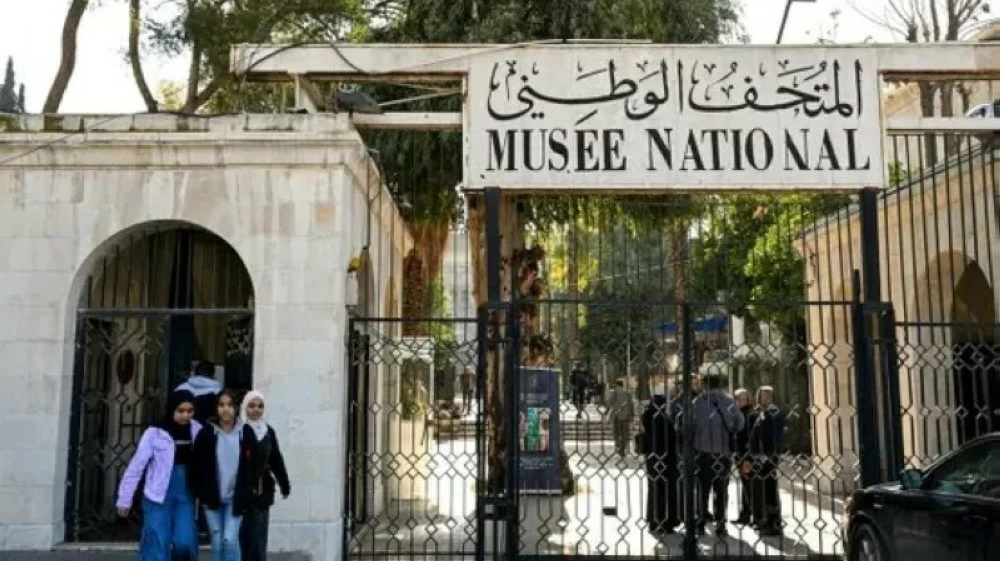
في إنجاز أمني مهم لحماية التراث السوري، أعلنت وزارة الداخلية السورية اليوم (الثلاثاء)، استعادة 24 قطعة سلاح أثرية كانت قد سُرقت من المتحف الوطني بدمشق، بعد إلقاء القبض على شخصين متورطين في العملية.
وقالت الوزارة في بيان رسمي إن فرع المباحث الجنائية في محافظة دمشق تمكن، بعد متابعة ورصد دقيقين، من القبض على متهمين لتورطهما في سرقة قطع سلاح أثرية من القسم القديم المخصص للأسلحة والمعدات الحربية بالمتحف.
وأقر المقبوض عليهما خلال التحقيقات الأولية بسرقة القطع وبيعها لتجار أسلحة، فيما تم استرداد 24 قطعة حتى الآن، مع استمرار الجهود لاستعادة الباقي.
وتعد هذه القطع جزءاً من مجموعة نادرة توثق مراحل متعددة من التاريخ العسكري والحضاري السوري عبر العصور المختلفة من العصور القديمة مروراً بالعصور الوسطى وحتى العصور الحديثة النسبية، وتشمل سيوفاً، ورماحاً، ودروعاً، وبنادق تاريخية تعكس تطور فنون الحرب والصناعات العسكرية في سورية.
ويعتبر المتحف الوطني بدمشق الذي تأسس عام 1919 أكبر وأهم المتاحف في سورية، ويحتوي على عشرات الآلاف من القطع الأثرية التي تغطي أكثر من 11 ألف عام من التاريخ، من العصور الحجرية إلى العصر الإسلامي، مروراً بالحضارات الكنعانية، والآرامية، والرومانية، والبيزنطية، والأموية.
ويضم المتحف أقساماً متخصصة، منها قسم الأسلحة والمعدات الحربية القديمة الذي يعرض نماذج فريدة من الأسلحة التاريخية.
وتعرّض المتحف لتحديات كبيرة خلال الحرب الأهلية السورية (2011-2024)، إذ أُغلق لسنوات ونُقلت معظم مقتنياته إلى أماكن آمنة للحماية من النهب، وأُعيد افتتاحه في 8 يناير 2025 بعد سقوط نظام الأسد، مع تعزيز إجراءات الأمن.
ومع ذلك، شهد المتحف سرقات متفرقة، أبرزها في نوفمبر 2025 عندما سُرقت 6 تماثيل رخامية رومانية من الجناح الكلاسيكي، ما أثار مخاوف دولية بشأن التراث السوري.
يأتي استرداد هذه القطع في سياق جهود وطنية مكثفة لمكافحة تهريب الآثار، إذ تتعاون السلطات السورية مع منظمات دولية مثل اليونسكو والإنتربول لمنع خروج القطع المسروقة إلى الأسواق السوداء.
In an important security achievement for the protection of Syrian heritage, the Syrian Ministry of Interior announced today (Tuesday) the recovery of 24 pieces of ancient weaponry that had been stolen from the National Museum in Damascus, following the arrest of two individuals involved in the operation.
The ministry stated in an official statement that the Criminal Investigation Branch in Damascus Governorate was able, after careful monitoring and observation, to arrest the suspects for their involvement in the theft of ancient weaponry from the old section designated for weapons and military equipment in the museum.
The arrested individuals admitted during the preliminary investigations to stealing the pieces and selling them to arms dealers, while 24 pieces have been recovered so far, with efforts continuing to recover the rest.
These pieces are part of a rare collection that documents various stages of Syrian military and cultural history across different eras, from ancient times through the medieval period to relatively modern times, and include swords, spears, shields, and historical rifles that reflect the evolution of warfare and military industries in Syria.
The National Museum in Damascus, established in 1919, is considered the largest and most important museum in Syria, housing tens of thousands of artifacts that cover more than 11,000 years of history, from the Stone Age to the Islamic era, passing through the Canaanite, Aramaic, Roman, Byzantine, and Umayyad civilizations.
The museum includes specialized sections, including the section for ancient weapons and military equipment, which displays unique examples of historical weaponry.
The museum faced significant challenges during the Syrian civil war (2011-2024), as it was closed for years and most of its collections were moved to safe locations to protect them from looting, and it was reopened on January 8, 2025, after the fall of the Assad regime, with enhanced security measures.
However, the museum has witnessed sporadic thefts, the most notable of which occurred in November 2025 when six Roman marble statues were stolen from the classical wing, raising international concerns about Syrian heritage.
The recovery of these pieces comes as part of intensive national efforts to combat the smuggling of antiquities, as Syrian authorities collaborate with international organizations such as UNESCO and Interpol to prevent stolen items from entering black markets.