أطلق مكتب الأرصاد الجوية الأسترالي تحذيرات عاجلة من موجة حر شديدة إلى بالغة الخطورة تضرب ولايات الجنوب والجنوب الشرقي، تشمل نيو ساوث ويلز وفيكتوريا وجنوب أستراليا وتسمانيا، في واحدة من أقسى الموجات الحرارية منذ حرائق «الصيف الأسود» 2019–2020.
45 درجة وليالٍ خانقة
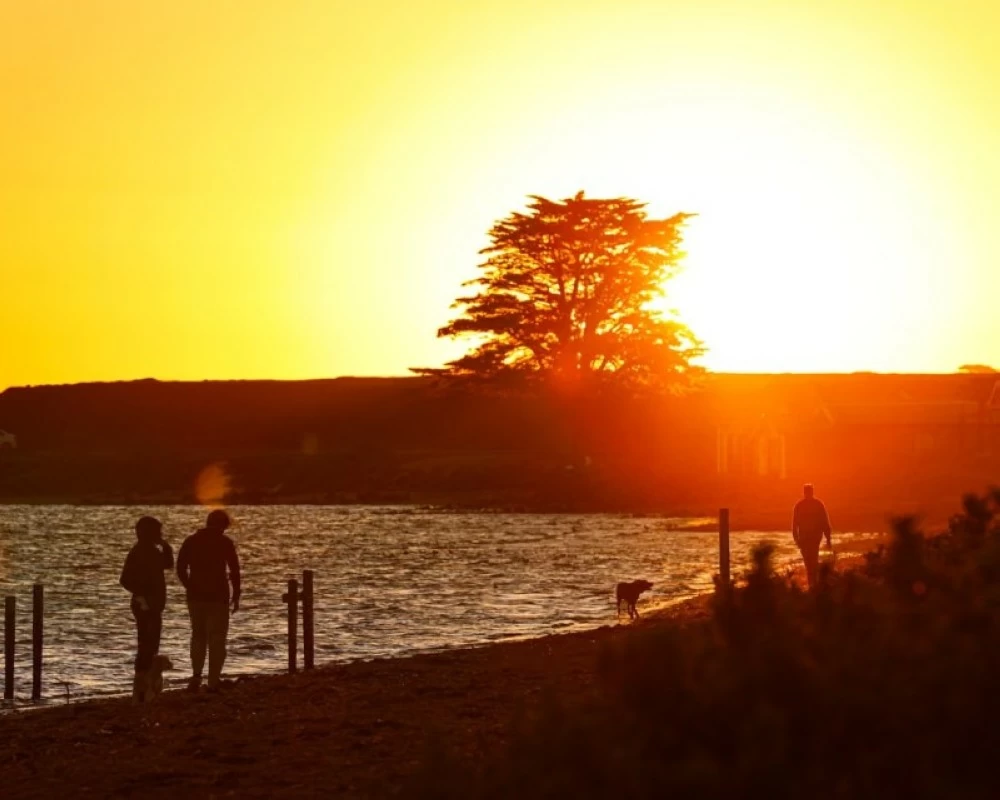
وصف خبراء الأرصاد الموجة بأنها «الأكثر أهمية» في جنوب شرق البلاد خلال ستّ سنوات، مع تسجيل درجات حرارة تتجاوز 45–47 درجة مئوية في بعض المناطق، وليلٍ شديد الحرارة لا يمنح السكان أي فرصة للتعافي.
جنوب أستراليا في الذروة
شهدت ولاية جنوب أستراليا ذروة الموجة، حيث تخطت الحرارة 40 درجة في مدن عدة، ولامست 45 درجة وأكثر في مناطق مثل سيدني وأحواض نهر ميري، ما رفع مستوى الإنذار إلى أقصى درجاته.
خطر صحي وكهرباء مُرهقة
دفعت الأجواء القاسية السلطات لإصدار تحذيرات صحية عاجلة من ضربات الشمس والإجهاد الحراري، خصوصاً لكبار السن والأطفال ومرضى الأمراض المزمنة، بالتوازي مع ضغط غير مسبوق على شبكات الكهرباء وتحذيرات من انقطاعات محتملة.
حرائق مبكرة خارج السيطرة
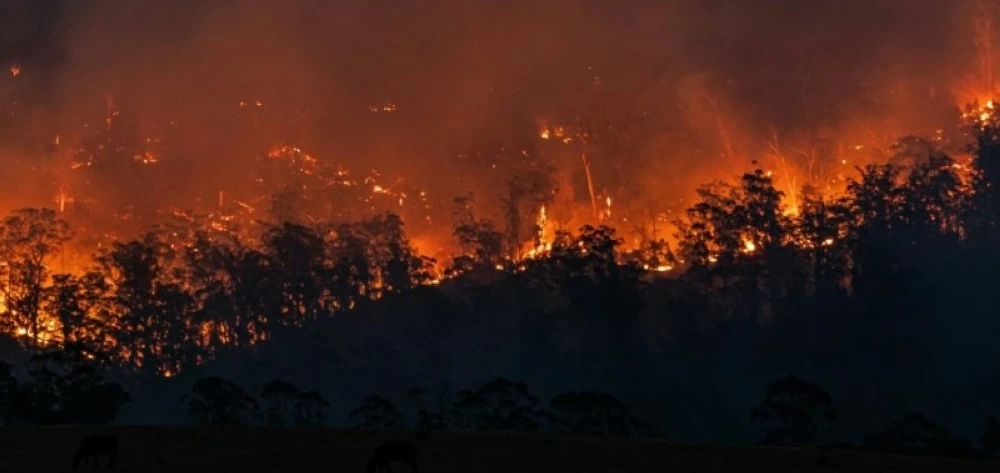
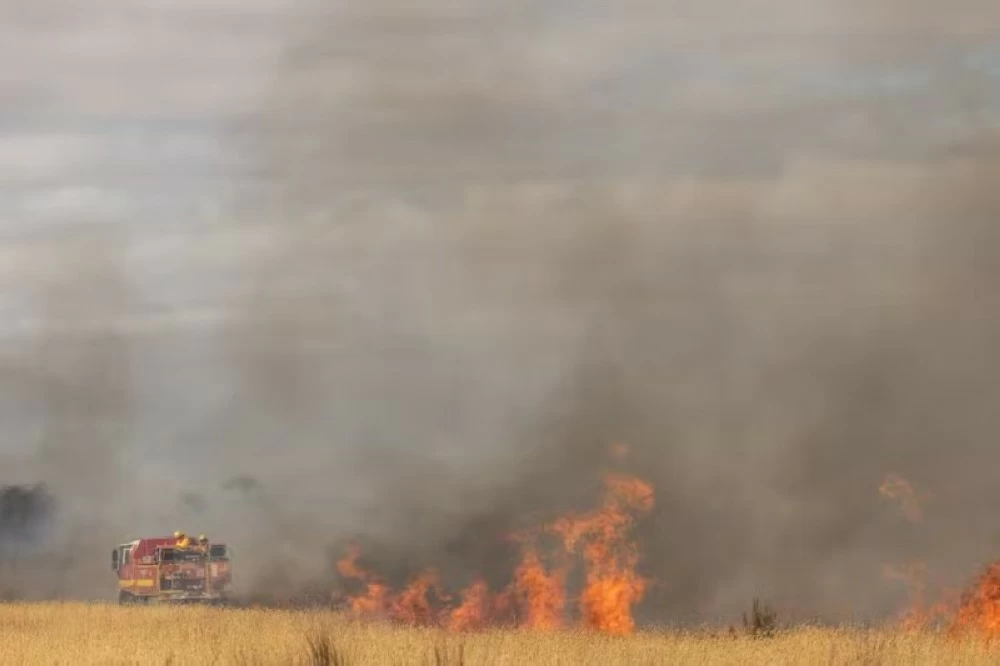
أشعلت الحرارة المرتفعة حرائق غابات مبكرة، مع توقعات ببلوغ خطر الحرائق مستوى «شديد إلى بالغ الخطورة» في فيكتوريا وجنوب أستراليا، خصوصاً مع رياح قوية وبرق جاف. وأعلنت فيكتوريا حظراً كاملاً لإشعال النيران، محذرة من أن أي حريق قد يصبح غير قابل للسيطرة.
تمدد الموجة شرقاً
في نيو ساوث ويلز، يُنتظر أن تبلغ الحرارة ذروتها مع 39–44 درجة في المناطق الداخلية، بينما تشهد تسمانيا ارتفاعاً ملحوظاً يتجاوز المعدلات الطبيعية بـ6 إلى 10 درجات، رغم مناخها المعتدل.
مناخ يتغير
تأتي الموجة في سياق تسارع التغير المناخي، إذ ارتفع متوسط حرارة أستراليا بنحو 1.5 درجة مئوية منذ 1910، وسُجل 2025 بين الأعوام الأشد حرارة. وتُعزى الظاهرة إلى نظام ضغط مرتفع فوق بحر تاسمان يحبس الهواء الساخن لأيام متتالية.
إرشادات الطوارئ
نصحت السلطات بالبقاء في أماكن مكيفة، والإكثار من شرب المياه، وتجنب الأنشطة النهارية المجهدة، ومتابعة تحديثات الطوارئ الخاصة بالحرائق، مع التأكيد على تفقد كبار السن والمرضى بشكل منتظم.
The Australian Bureau of Meteorology has issued urgent warnings of a severe to extreme heatwave hitting the southern and southeastern states, including New South Wales, Victoria, South Australia, and Tasmania, in one of the harshest heatwaves since the "Black Summer" bushfires of 2019–2020.
45 Degrees and Stifling Nights
Meteorologists have described the wave as "the most significant" in the southeast of the country in six years, with temperatures exceeding 45–47 degrees Celsius in some areas, and extremely hot nights leaving residents with no chance to recover.
South Australia at the Peak
South Australia has experienced the peak of the wave, with temperatures surpassing 40 degrees in several cities, reaching 45 degrees or more in areas like Sydney and the Murray River basins, raising the alert level to its highest.
Health Risks and Strained Electricity
The harsh conditions have prompted authorities to issue urgent health warnings about heat strokes and heat stress, especially for the elderly, children, and those with chronic illnesses, alongside unprecedented pressure on electricity networks and warnings of potential outages.
Early Fires Out of Control
The high temperatures have ignited early bushfires, with forecasts indicating that fire danger levels could reach "severe to extreme" in Victoria and South Australia, particularly with strong winds and dry lightning. Victoria has declared a complete fire ban, warning that any fire could become uncontrollable.
Wave Expanding Eastward
In New South Wales, temperatures are expected to peak at 39–44 degrees in the inland areas, while Tasmania is experiencing a significant rise exceeding normal levels by 6 to 10 degrees, despite its mild climate.
Changing Climate
The wave comes in the context of accelerating climate change, with Australia's average temperature rising by about 1.5 degrees Celsius since 1910, and 2025 recorded as one of the hottest years. This phenomenon is attributed to a high-pressure system over the Tasman Sea trapping hot air for consecutive days.
Emergency Guidelines
Authorities have advised staying in air-conditioned places, drinking plenty of water, avoiding strenuous daytime activities, and following fire emergency updates, while emphasizing the importance of regularly checking on the elderly and sick.