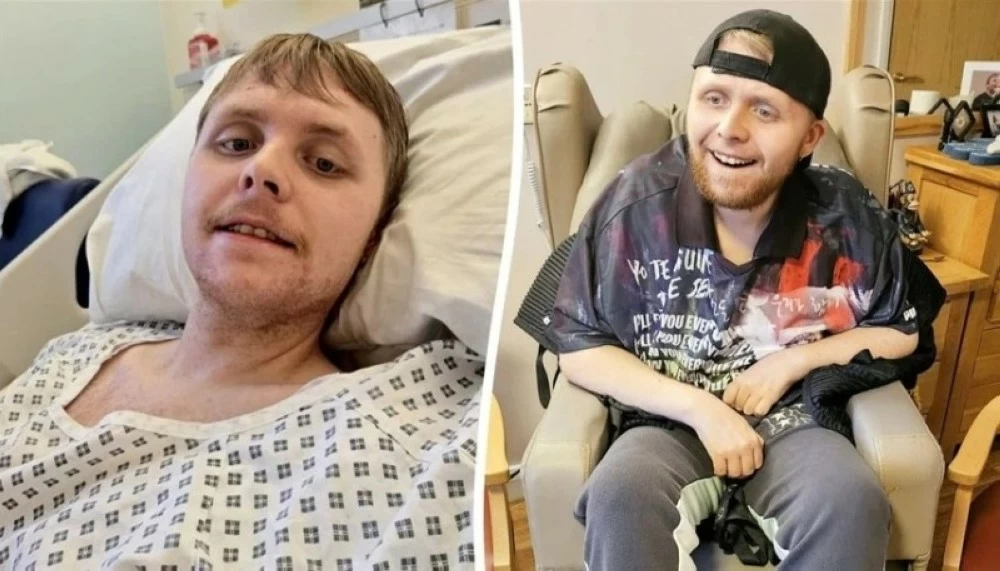
في واقعة صادمة أثارت الحزن والأسى، فقدت عائلة بريطانية ابنها أندريه يارهم بعمر 24 عاماً، خلال عطلة عيد الميلاد، بعدما فارق الحياة وانهار جسده أمام خرف جبهي صدغي نادر نتيجة طفرة جينية لم يعرف عنها الأطباء سوى القليل.
بدأت رحلة المعاناة أواخر عام 2022، حين لاحظت والدته سامانثا فيربيرن تغيرات مفاجئة في سلوكه، شملت النسيان والتصرفات الغريبة، قبل أن تؤكد الفحوصات الطبية تقلص الدماغ بشكل غير طبيعي، ليُشخص رسمياً بالمرض الذي يشكل نحو 5% فقط من حالات الخرف ويهاجم الشباب في سن مبكرة.
ومع التدهور السريع، فقد الشاب البريطاني القدرة على الكلام قبل شهر من وفاته، لكنه ظل يضحك ويتفاعل مع من حوله، حتى اضطر للدخول إلى دار رعاية متخصصة في سبتمبر الماضي، حيث تدهورت حالته بسرعة من المشي البطيء إلى الاعتماد على الكرسي المتحرك.
وفي لحظة إنسانية مؤثرة، قررت والدته التبرع بدماغه للباحثين، على أمل أن يساعد هذا الإجراء في فهم أعمق للمرض النادر وتطوير علاجات مستقبلية قد تنقذ آخرين، وهو إرث علمي وإنساني يتركه أندريه يارهم بعد رحيله المبكر.
ويحذر خبراء الأعصاب من أن هذا النوع من الخرف غالباً ما يكون مرتبطاً بعوامل وراثية، ما يعني أن أفراد العائلة معرضون للمخاطر نفسها، مع إمكانية كشفها مبكراً من خلال الفحوصات الجينية.
In a shocking incident that stirred sadness and grief, a British family lost their son, Andre Yarem, at the age of 24 during the Christmas holiday, after he passed away and his body collapsed due to a rare form of frontotemporal dementia resulting from a genetic mutation that doctors knew little about.
The journey of suffering began in late 2022 when his mother, Samantha Fairbairn, noticed sudden changes in his behavior, including forgetfulness and strange actions, before medical tests confirmed an abnormal shrinkage of the brain, leading to an official diagnosis of the disease that accounts for only about 5% of dementia cases and attacks young people at an early age.
With rapid deterioration, the young British man lost the ability to speak a month before his death, but he continued to laugh and interact with those around him until he had to enter a specialized care home last September, where his condition quickly declined from slow walking to reliance on a wheelchair.
In a touching human moment, his mother decided to donate his brain to researchers, hoping that this action would help in gaining a deeper understanding of the rare disease and developing future treatments that could save others, which is a scientific and humanitarian legacy left by Andre Yarem after his early departure.
Neurology experts warn that this type of dementia is often linked to genetic factors, meaning that family members are at the same risk, with the possibility of early detection through genetic testing.