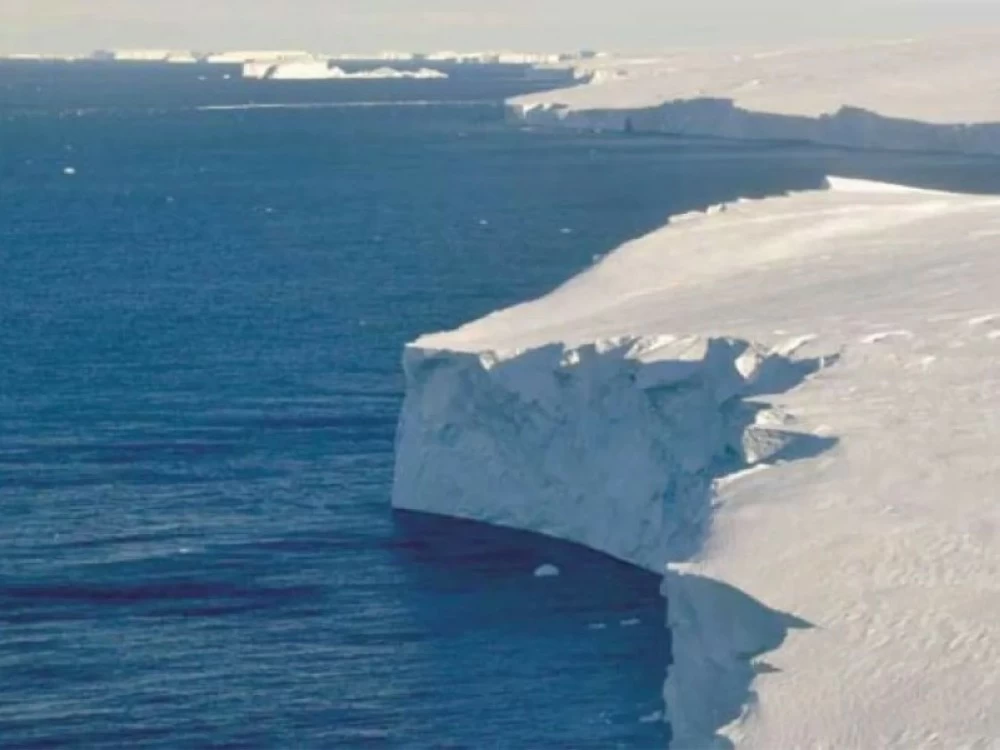
كشفت دراسة حديثة قادها باحثون من معهد التغيرات العالمية والأرصاد الجوية القطبية التابع للأكاديمية الصينية لعلوم الأرصاد الجوية، أن الاحترار الناتج عن الأنشطة البشرية يُتوقع أن يزداد بصورة غير متناسبة في المناطق القطبية مقارنة بالمتوسط العالمي، وهي الظاهرة المعروفة باسم تضخيم الاحترار القطبي.
وبالاستناد إلى ملاحظات مأخوذة من أكثر من 200 محطة رصد في القارة القطبية الجنوبية، واستخدام منتجات إعادة تحليل الغلاف الجوي وسطح الأرض العالمية من الجيل الأول في الصين، تمكن فريق البحث للمرة الأولى من رصد إشارة احترار شاملة للقارة القطبية الجنوبية.
وأوضحت النتائج وجود إشارة احترار قوية فوق القارة في ظل سيناريو ارتفاع درجات الحرارة بمقدار درجتين مئويتين وفق اتفاقية باريس، وبلغ حجم الاحترار الإجمالي نحو 1.4 مرة من متوسط الاحترار في نصف الكرة الجنوبي.
وفي هذا السياق، قال رئيس المعهد دينغ مينغ إن تأثير العزل الذي تُحدثه الرياح الغربية العاتية في نصف الكرة الجنوبي يجعل الأنشطة البشرية تؤثر بصورة رئيسية عبر نقل الحرارة إلى القارة القطبية الجنوبية من خلال احترار سطح البحر، وهو ما يفسر تأخر الاحترار في القارة مقارنة بمناطق أخرى من العالم.
وأضاف أن الارتفاع المستمر في درجات حرارة سطح البحر من شأنه أن يؤدي إلى بروز ظاهرة تضخيم الاحترار في القارة القطبية الجنوبية تدريجياً خلال الفترة القادمة، مع تسارع وتيرة الاحترار.
جدير بالذكر أن الاحترار القطبي (المعروف علمياً بالتضخيم القطبي) هو ظاهرة ارتفاع درجات الحرارة في القطبين الشمالي والجنوبي بمعدلات تفوق بكثير المتوسط العالمي.
A recent study led by researchers from the Institute of Global Change and Polar Meteorology at the Chinese Academy of Meteorological Sciences revealed that warming caused by human activities is expected to increase disproportionately in polar regions compared to the global average, a phenomenon known as polar amplification.
Based on observations taken from more than 200 monitoring stations in Antarctica, and using first-generation global atmospheric and surface reanalysis products from China, the research team was able for the first time to detect a comprehensive warming signal over the Antarctic continent.
The results indicated a strong warming signal over the continent under a scenario of a 2-degree Celsius increase in temperature according to the Paris Agreement, with the total warming amounting to about 1.4 times the average warming in the Southern Hemisphere.
In this context, the head of the institute, Ding Ming, stated that the isolating effect caused by the strong westerly winds in the Southern Hemisphere makes human activities primarily impact the Antarctic continent by transferring heat through sea surface warming, which explains the delayed warming in the continent compared to other regions of the world.
He added that the continuous rise in sea surface temperatures is likely to gradually lead to the emergence of the polar amplification phenomenon in Antarctica in the coming period, with the pace of warming accelerating.
It is worth noting that polar warming (scientifically known as polar amplification) is a phenomenon characterized by temperature increases at the North and South Poles at rates that far exceed the global average.