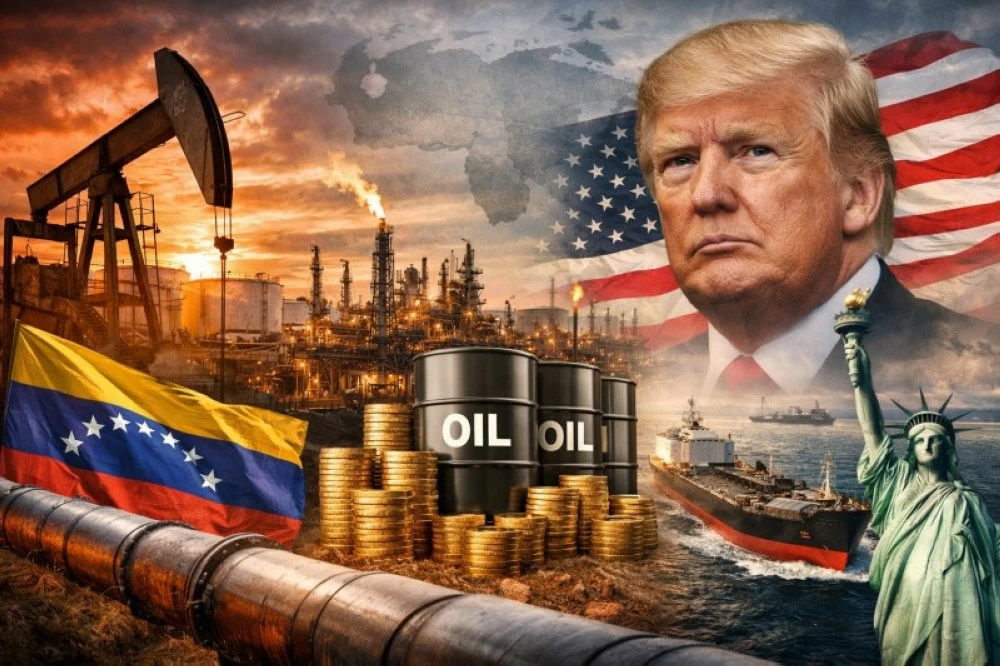
بعد اعتقال الرئيس الفنزويلي نيكولاس مادورو وكشف تفاصيل العملية الأمنية داخل فنزويلا، بدأت تتضح ملامح الصورة الأوسع، فبعيدًا عن شعارات مكافحة المخدرات والإرهاب، يبرز النفط الفنزويلي بوصفه الهدف الإستراتيجي الأهم للخطوة الأمريكية المفاجئة.
فنزويلا لا تُعد دولة نفطية عادية، بل تمتلك أكبر احتياطي نفطي مؤكد في العالم يتجاوز 303 مليار برميل، متقدمة على السعودية وإيران وكندا والعراق، ما يجعلها كنز الطاقة الأضخم على الكوكب، رغم تراجع الإنتاج بسبب العقوبات والفساد والانهيار الاقتصادي.
ولم يُخفِ الرئيس الأمريكي دونالد ترمب هذا الهدف، إذ قال في تصريحات متلفزة إن الإدارات السابقة فرّطت في حق الولايات المتحدة في النفط الفنزويلي، مؤكداً أن الوقت حان لاستعادته. التصريحات فتحت الباب أمام تفسير العملية العسكرية بوصفها خطوة لإعادة رسم خريطة الطاقة العالمية.
وتشير المعطيات إلى أن واشنطن تخطط لإدارة مؤقتة لقطاع النفط الفنزويلي، مع توجيه دعوات لكبرى شركات النفط الأمريكية لإعادة تشغيل الحقول وترميم البنية التحتية، بما يضمن تدفق الإنتاج وتحقيق أرباح ضخمة.
وتكتسب هذه الخطوة بعدًا إضافيًا في ظل الصراع النفطي بين فنزويلا وغوايانا، بعد اكتشاف احتياطيات تقدر بنحو 13 مليار برميل من المكافئ النفطي، ما يعزز أهمية السيطرة على المنطقة في سباق الطاقة العالمي.
في المقابل، ورغم أن الولايات المتحدة تُعد أكبر منتج ومستهلك للنفط في العالم، فإن احتياطياتها لا تتجاوز 38.2 مليار برميل، معظمها في بئر برميان وخليج المكسيك، ما يجعل السيطرة على نفط فنزويلا فرصة نادرة لتعويض الفجوة بين الاستهلاك والاحتياطي.
وبينما تتجه الأنظار إلى التطورات السياسية في كراكاس، يرى مراقبون أن السيطرة الأمريكية على النفط الفنزويلي قد تعيد توزيع موازين الطاقة عالميًا، وتفتح فصلًا جديدًا في الصراع الجيوسياسي على الذهب الأسود.
After the arrest of Venezuelan President Nicolás Maduro and the revelation of details regarding the security operation within Venezuela, the broader picture is beginning to take shape. Beyond the slogans of combating drugs and terrorism, Venezuelan oil emerges as the most important strategic target of the surprising American move.
Venezuela is not an ordinary oil-producing country; it possesses the largest proven oil reserves in the world, exceeding 303 billion barrels, surpassing Saudi Arabia, Iran, Canada, and Iraq, making it the largest energy treasure on the planet, despite the decline in production due to sanctions, corruption, and economic collapse.
U.S. President Donald Trump did not hide this objective, stating in televised remarks that previous administrations squandered the United States' right to Venezuelan oil, affirming that the time has come to reclaim it. These statements opened the door to interpreting the military operation as a step to redraw the global energy map.
Data indicates that Washington is planning a temporary management of the Venezuelan oil sector, with calls directed to major American oil companies to resume operations in the fields and repair the infrastructure, ensuring the flow of production and achieving massive profits.
This move gains additional significance amid the oil conflict between Venezuela and Guyana, following the discovery of reserves estimated at around 13 billion barrels of oil equivalent, which enhances the importance of controlling the region in the global energy race.
Conversely, although the United States is the largest producer and consumer of oil in the world, its reserves do not exceed 38.2 billion barrels, most of which are located in the Permian Basin and the Gulf of Mexico, making control over Venezuelan oil a rare opportunity to bridge the gap between consumption and reserves.
As attention turns to the political developments in Caracas, observers believe that American control over Venezuelan oil could redistribute global energy balances and open a new chapter in the geopolitical struggle for black gold.