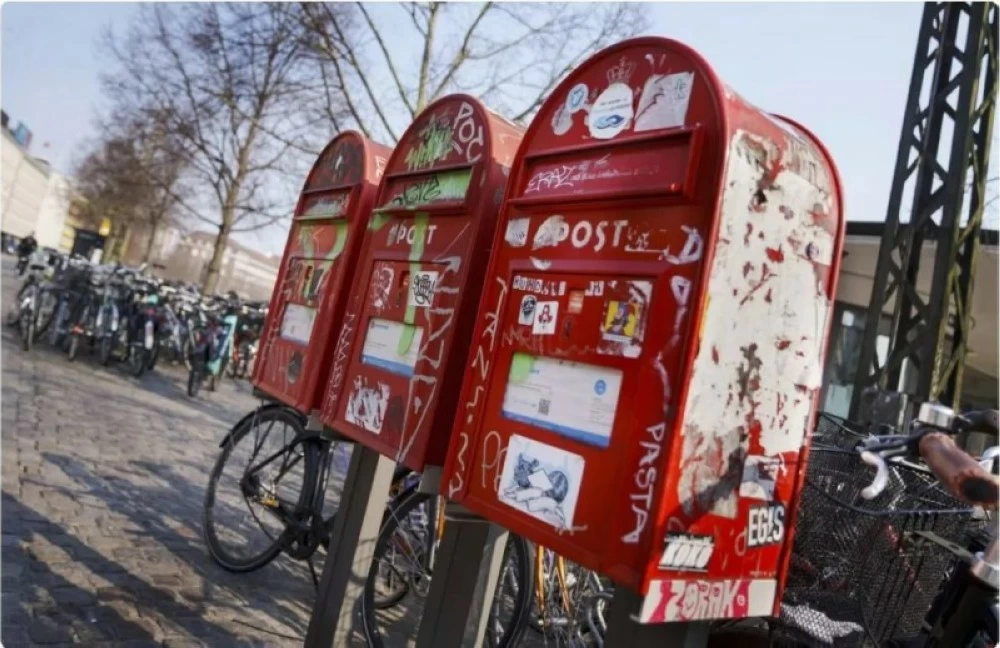
أنهت شركة البريد «بوست نورد» الدنماركية الحكومية خدمة البريد العام رسمياً بتسليم آخر رسالة ورقية، لتصبح بذلك الدنمارك أول دولة في العالم تتخلى عن هذا النظام التقليدي بعد مسيرة دامت 400 عام.
ويأتي هذا التحول التاريخي نتيجة انخفاض حجم المراسلات الورقية بنسبة تجاوزت 90% منذ عام 2000، مدفوعاً بالاعتماد الشامل على الوسائل الرقمية.
وبدأت الشركة منذ يونيو الماضي بإزالة 1500 صندوق بريد من مختلف أنحاء البلاد وبيعها لصالح الأعمال الخيرية، معلنةً حصر نشاطها في توصيل الطرود الناتجة عن ازدهار التجارة الإلكترونية، بينما ستتولى شركة «DAO» الخاصة جمع المراسلات المتبقية عبر أكشاك مخصصة داخل المتاجر.
وأوضح أندرياس بريثفاد، المتحدث باسم «بوست نورد»، أن التقدم الرقمي الهائل جعل الرسائل الورقية تفقد غرضها الوظيفي.
وأعربت جمعيات حقوقية، منها جمعية «دين إيج»، عن مخاوفها بشأن التحديات التي سيواجهها كبار السن والفئات الأقل استخداماً للتكنولوجيا نتيجة هذا الانقطاع الكامل عن البريد التقليدي.
ويعد هذا الإجراء نهاية حقبة زمنية ارتبطت وجدانياً وتاريخياً بالمجتمع الدنماركي، حيث تحول مبنى البريد المركزي التاريخي في كوبنهاغن، الذي شُيد عام 1912، إلى فندق فاخر، ليظل شاهداً على عصر المراسلات الورقية الذي طويت صفحته للأبد.
The Danish government postal company "PostNord" has officially ended public mail service by delivering the last paper letter, making Denmark the first country in the world to abandon this traditional system after a 400-year journey.
This historic shift comes as a result of a decline in paper correspondence by more than 90% since 2000, driven by the widespread reliance on digital means.
Since last June, the company has begun removing 1,500 mailboxes from across the country and selling them for charitable purposes, announcing that it will focus its activities on delivering parcels resulting from the boom in e-commerce, while the private company "DAO" will take over the collection of remaining correspondence through designated kiosks inside stores.
Andreas Breithvad, a spokesperson for "PostNord," explained that the tremendous digital advancement has rendered paper letters functionally obsolete.
Human rights associations, including "Din Æg," have expressed concerns about the challenges that the elderly and less tech-savvy groups will face due to this complete break from traditional mail.
This measure marks the end of an era that has been emotionally and historically linked to Danish society, as the historic central post office building in Copenhagen, constructed in 1912, has been transformed into a luxury hotel, remaining a testament to the age of paper correspondence that has now turned its page forever.